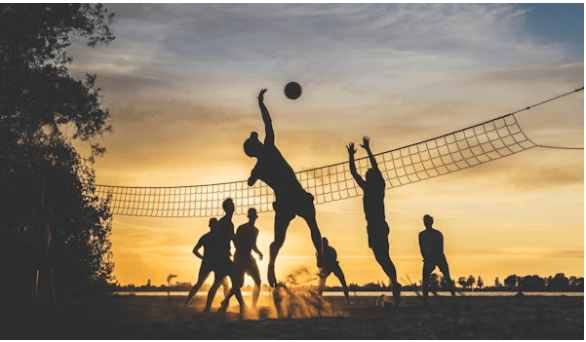
Sports have been an essential part of human civilization for centuries, bringing people together, promoting physical health, and teaching valuable life skills. From ancient competitions like the Ancient Olympic Games to today’s global spectacles such as the FIFA World Cup, sports continue to shape cultures and societies around the world.
One of the most significant benefits of sports is their contribution to physical health. Regular participation in activities like football, cricket, or basketball helps improve cardiovascular fitness, strengthen muscles, and enhance overall endurance. In an age where sedentary lifestyles are increasingly common, sports provide an enjoyable way to stay active and reduce the risk of diseases.
Beyond physical health, sports play a crucial role in mental well-being. Engaging in sports can reduce stress, improve mood, and boost self-confidence. Athletes often develop discipline, focus, and resilience—qualities that are equally valuable in everyday life. Famous athletes like Cristiano Ronaldo and Babar Azam are admired not only for their talent but also for their dedication and perseverance.
Sports also foster teamwork and social interaction. Team-based games teach individuals how to collaborate, communicate, and work toward a common goal. This sense of unity transcends borders, cultures, and languages, making sports a powerful tool for promoting peace and understanding. International competitions often bring nations together, creating moments of shared excitement and pride.
Moreover, sports have a significant economic impact. Major sporting events generate revenue through tourism, sponsorships, and broadcasting rights. They create jobs and contribute to the development of infrastructure. Leagues such as the English Premier League and the Pakistan Super League attract millions of viewers and contribute to the global sports industry.
In conclusion, sports are much more than just games. They are a vital part of human life that promotes health, builds character, and unites people across the globe. Whether played professionally or recreationally, sports continue to inspire individuals and communities, making the world a more connected and vibrant place.
Physical Benefits of Sports
One of the most obvious advantages of sports is improved physical health. Regular participation in sports helps maintain a healthy body by strengthening muscles and bones, improving cardiovascular fitness, and enhancing flexibility. Activities like running, football, and swimming help reduce the risk of diseases such as obesity, diabetes, and heart problems. Sports also improve stamina and overall energy levels, making individuals more active in their daily lives.
Mental and Emotional Well-being
Sports are not only beneficial for the body but also for the mind. Engaging in physical activity releases endorphins, often called “feel-good hormones,” which help reduce stress, anxiety, and depression. Playing sports can boost self-confidence and improve mood. It also teaches individuals how to handle pressure, accept defeat, and celebrate success in a balanced way.
Development of Life Skills
Sports are an excellent platform for learning important life skills. Team sports such as football, cricket, and basketball teach cooperation, communication, and leadership. Players learn discipline, time management, and the importance of hard work. These skills are not only useful in sports but also in academic, professional, and personal life.
Social Benefits and Teamwork
Sports bring people together, regardless of their background, culture, or nationality. They promote teamwork and create a sense of belonging. Whether it’s playing in a local club or supporting a national team, sports foster unity and friendship. Major sporting events often unite entire nations and promote peace and mutual respect among different communities.
Economic and Career Opportunities
Sports also contribute significantly to the economy. They create jobs in areas such as coaching, management, media, and event organization. Professional athletes can build successful careers and inspire millions. The sports industry, including sponsorships and broadcasting, generates billions of dollars worldwide.
Role of Sports in Education
In educational institutions, sports are considered an essential part of the curriculum. They help students maintain a balance between academics and physical activity. Participation in sports improves concentration, memory, and academic performance. It also teaches students the value of fair play and healthy competition.
Conclusion
In conclusion, sports are an essential part of a healthy and balanced life. They offer numerous physical, mental, and social benefits while also teaching valuable life skills. Whether played professionally or just for fun, sports contribute to the overall development of individuals and society. Encouraging participation in sports can lead to a healthier, happier, and more united world.
Role of Sports in Discipline
Discipline is one of the most valuable qualities a person can develop, and sports play a powerful role in building it. Whether someone plays at a professional level or just for recreation, sports naturally require structure, rules, and commitment—all of which shape disciplined behavior.
Building Routine and Consistency
Sports demand regular practice and training. Athletes must follow fixed schedules, wake up early, and dedicate time to improving their skills. This consistent routine teaches individuals how to manage their time effectively and stay committed to their goals, even when they don’t feel motivated.
Respect for Rules and Authority
Every sport has its own set of rules that players must follow. Learning and respecting these rules teaches individuals the importance of fairness and accountability. Players also learn to respect referees, coaches, and team leaders, which helps develop a sense of order and obedience in life beyond sports.
Self-Control and Patience
Sports often involve intense competition and pressure. Players must control their emotions, whether they are winning or losing. This helps in developing patience and emotional stability. Instead of reacting impulsively, athletes learn to stay calm and focused, which is a key aspect of discipline.
Goal Setting and Hard Work
In sports, success doesn’t come overnight. Athletes set goals, work hard, and continuously strive to improve. This process teaches perseverance and dedication. The habit of setting targets and working steadily towards them builds strong self-discipline that can be applied in studies and careers.
Handling Success and Failure
Sports teach individuals how to deal with both victory and defeat gracefully. Winning requires humility, while losing demands resilience and the ability to learn from mistakes. This balanced mindset strengthens discipline by encouraging individuals to keep improving without becoming overconfident or discouraged.
Team Responsibility
In team sports, discipline is not just personal—it affects the entire team. Players must follow strategies, attend practice sessions, and cooperate with teammates. This sense of responsibility encourages individuals to stay disciplined, as their actions directly impact others.
Conclusion
In conclusion, sports are an excellent way to develop discipline in life. They teach consistency, self-control, respect, and responsibility. The lessons learned on the field help individuals become more focused, organized, and determined in all areas of life.
Stay up-to-date with the latest happenings! From breaking news to trending updates, we've got you covered with all the important stories you need to know. Tune in for fresh headlines, updates, and everything in between on thefortunedaily.com.