



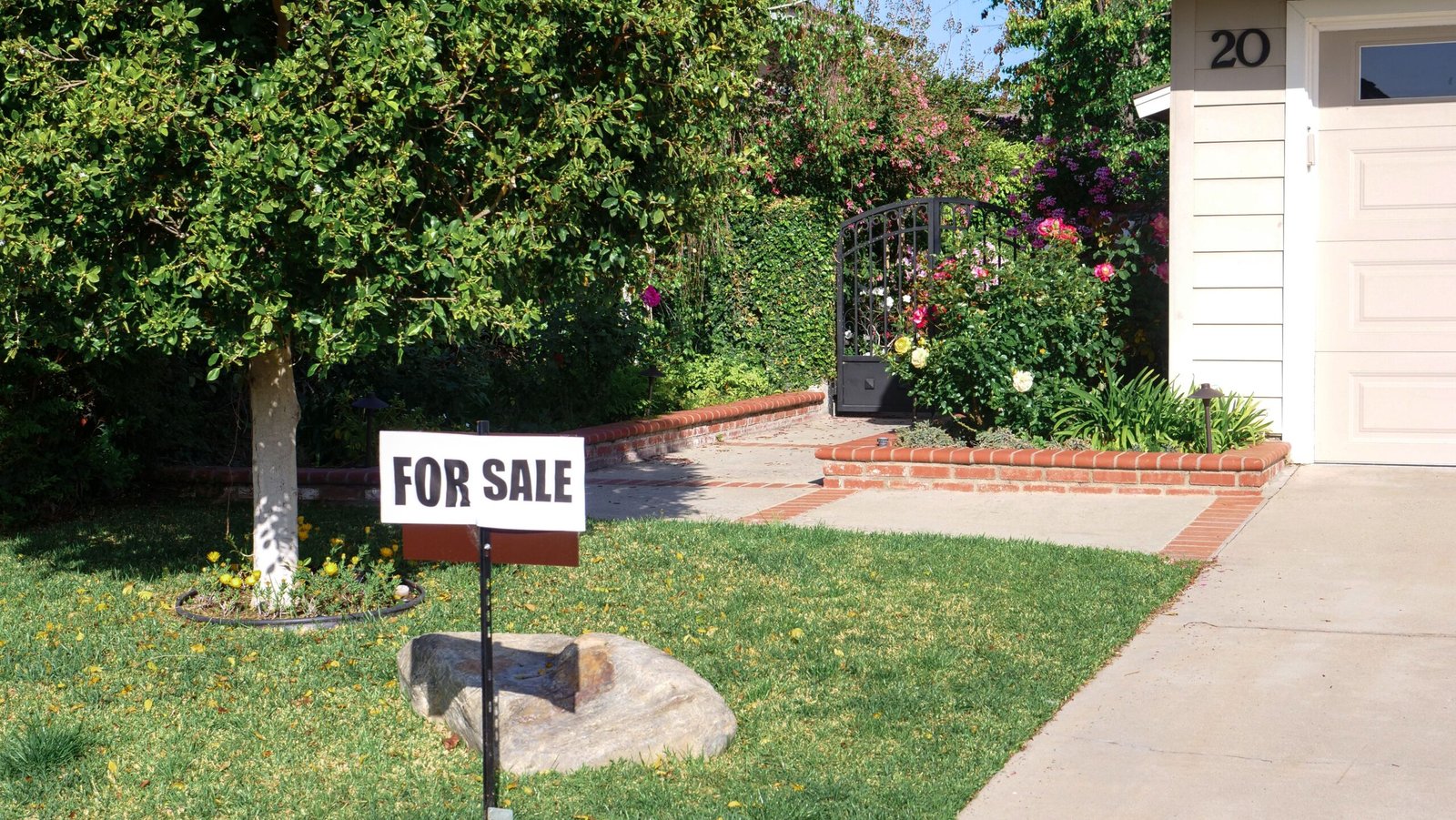
Absolutely. Selling a house is more than putting up a “For Sale” sign. You need to prepare the property, establish a realistic price, market it properly, screen buyers, negotiate, and complete the legal transfer safely.
How to Sell a House: Detailed Step-by-Step Guide
1. Gather your property documents
Before advertising the house, make sure your ownership documents are in order. Depending on where you live, you may need:
- Original title/ownership documents
- Sale deed or previous purchase agreement
- Property tax records and paid-tax receipts
- Approved building or construction documents, where applicable
- Utility bills
- Identity documents
- Mortgage or loan information, if applicable
- Any documents relating to inheritance or transfer of ownership
Tip: Resolve ownership disputes, unpaid taxes, or missing documentation before finding a buyer whenever possible. Documentation problems can delay or even prevent the sale.
2. Find out how much your house is worth
Don’t choose the asking price simply because you need a particular amount.
Research:
- Similar houses currently for sale
- Recently sold properties in the same area
- House size and plot size
- Number of bedrooms and bathrooms
- Condition and age of the property
- Parking facilities
- Road access
- Nearby schools, markets, hospitals, and transportation
- Neighborhood demand
You can also ask 2–3 local real-estate agents for valuations and compare their estimates.
A good asking price should attract buyers while leaving reasonable room for negotiation.
3. Prepare the house for sale
You don’t necessarily need an expensive renovation. Focus on things buyers notice immediately.
Inside:
- Deep-clean the house
- Remove unnecessary furniture and clutter
- Repair leaking taps and damaged fixtures
- Fix broken doors, windows, switches, and lights
- Touch up damaged paint
- Clean kitchens and bathrooms thoroughly
Outside:
- Clean the entrance
- Trim plants and grass
- Repair gates and boundary walls
- Make sure exterior lights work
- Remove unnecessary items from the yard
Small improvements can make the property look much better in photographs and during viewings.
4. Take good photographs
Your photos are often the buyer’s first impression.
Take bright, clear photographs of:
- Front exterior
- Living room
- Bedrooms
- Kitchen
- Bathrooms
- Garden/yard
- Garage or parking
- Terrace/balcony
- Important features such as renovated areas
Avoid dark, blurry photographs or excessive filters that make the property look different from reality.
5. Write an effective property listing
A good listing should quickly answer the buyer’s basic questions.
Include:
House: 5-bedroom house
Location: [Area/City]
Plot size: [Size]
Covered area: [Size]
Bathrooms: [Number]
Parking: [Number of vehicles]
Features: Kitchen, living room, terrace, garden, etc.
Condition: Newly renovated / well maintained / requires renovation
Asking price: [Amount]
Then briefly explain what makes the property useful—for example, proximity to schools, markets, main roads, or public transportation.
6. Choose how you will sell it
You generally have two choices:
Sell yourself
- No or lower agent commission
- You control communication and negotiations
- You handle advertising, viewings, and much of the buyer screening yourself
Use a real-estate agent
- Agent handles marketing and buyer inquiries
- They may have an existing network of buyers
- They can assist with negotiations and paperwork
- You’ll generally pay a commission
If using an agent, agree on the commission and terms in writing before proceeding.
7. Advertise the property
Use several appropriate channels rather than relying on just one.
You can advertise through:
- Property websites
- Local real-estate agents
- Social media
- Local community groups
- A physical “For Sale” sign
- Your personal network
Make sure the listing information is consistent across platforms.
8. Screen potential buyers
Not every inquiry is from a serious buyer.
Before spending a lot of time arranging viewings, ask:
- Are they actually looking to buy?
- Have they determined their budget?
- Are they paying cash or using financing?
- When do they want to purchase?
- Have they viewed other properties?
Don’t provide sensitive personal or financial information unnecessarily.
9. Show the house safely
Keep the property clean and presentable before viewings.
During the viewing:
- Turn on lights
- Open curtains
- Make rooms feel spacious
- Keep pets secured if necessary
- Have important documents available for legitimate buyers
- Avoid leaving cash, jewelry, or sensitive documents visible
For unfamiliar buyers, consider having another person present during viewings.
10. Evaluate offers
The highest offer isn’t automatically the best offer.
Compare:
| Factor | What to consider |
|---|---|
| Price | How much will you actually receive? |
| Payment | Cash or financing? |
| Deposit | How much and when? |
| Conditions | Are there conditions attached? |
| Closing date | Does it suit you? |
| Documents | Can the buyer complete the transaction properly? |
A slightly lower offer with straightforward terms may sometimes be easier to complete than a higher offer with significant conditions.
11. Negotiate
Decide beforehand:
- Your target price
- Your minimum acceptable price
- What items are included
- Preferred payment schedule
- Preferred possession/closing date
Don’t reveal your absolute minimum price to every potential buyer.
Put important agreements in writing rather than relying on verbal promises.
12. Verify the buyer and payment
This is particularly important for property transactions.
Before transferring ownership, verify:
- Buyer’s identity
- Source/payment arrangements
- Deposit/payment receipts
- Bank transfer or other payment confirmation
- Any financing arrangements
Never hand over original ownership documents or possession simply because someone shows you a payment screenshot. Confirm the money has actually been received through the appropriate channel.
13. Have the sale agreement reviewed
Before signing a binding agreement, have a qualified local property lawyer or conveyancing professional review it.
The agreement should clearly state things such as:
- Buyer and seller identities
- Property description
- Agreed price
- Deposit
- Payment schedule
- Completion/transfer date
- Possession date
- What fixtures or appliances are included
- Responsibilities for taxes and fees
- What happens if either party fails to complete the transaction
14. Complete the legal transfer
The exact process depends on your country and jurisdiction.
Generally, the transaction involves:
Agreement → payment arrangements → document verification → taxes/fees → registration/transfer → possession
Make sure the ownership transfer is officially recorded with the appropriate authority.
15. Hand over the property
After the required payment and legal transfer are completed:
- Hand over keys
- Provide agreed documents
- Record meter readings
- Transfer utilities where required
- Remove your belongings
- Give the buyer possession according to the agreement
Keep copies of the final documents and payment records.
Common mistakes to avoid
❌ Pricing the house based only on emotional value
❌ Advertising poor-quality photographs
❌ Hiding major defects from buyers
❌ Accepting a payment based only on a screenshot
❌ Signing documents you don’t understand
❌ Giving original documents to an unverified person
❌ Failing to check ownership records
❌ Accepting a large cash payment without proper documentation
❌ Using an agent without agreeing on commission and responsibilities
❌ Transferring ownership before receiving the agreed payment
If you’re selling a house in Pakistan
The exact procedure, taxes, registration requirements, and land-record process depend on the province and location. If you tell me the city/area, house size (for example, 5 marla or 10 marla), approximate asking price, and whether it is inherited or purchased property, I can give you a Pakistan-specific step-by-step selling process, including documents, buyer agreement, payment, registry/transfer, and common costs.