


Energy Drinks and Stroke Risk: What the Science Says About the Hidden Dangers
Can Energy Drinks Increase Your Risk of Stroke?
Energy drinks have become a go-to solution for students pulling all-nighters, athletes looking for a boost, and professionals trying to power through long workdays. With bold promises of increased energy, sharper focus, and improved performance, it’s easy to see why they’re so popular.
But alongside their rise in popularity has come a growing concern: Can energy drinks increase your risk of stroke?
The short answer is that there’s no strong evidence that energy drinks directly cause strokes in healthy people, but research suggests they may contribute to conditions that increase stroke risk—especially when consumed in large amounts or by people with underlying cardiovascular disease. High doses of caffeine and other stimulants can temporarily raise blood pressure, increase heart rate, and, in rare cases, trigger abnormal heart rhythms.
In this guide, we’ll examine what current research says, who may be most at risk, warning signs to watch for, and how to consume energy drinks more safely.
What Are Energy Drinks?
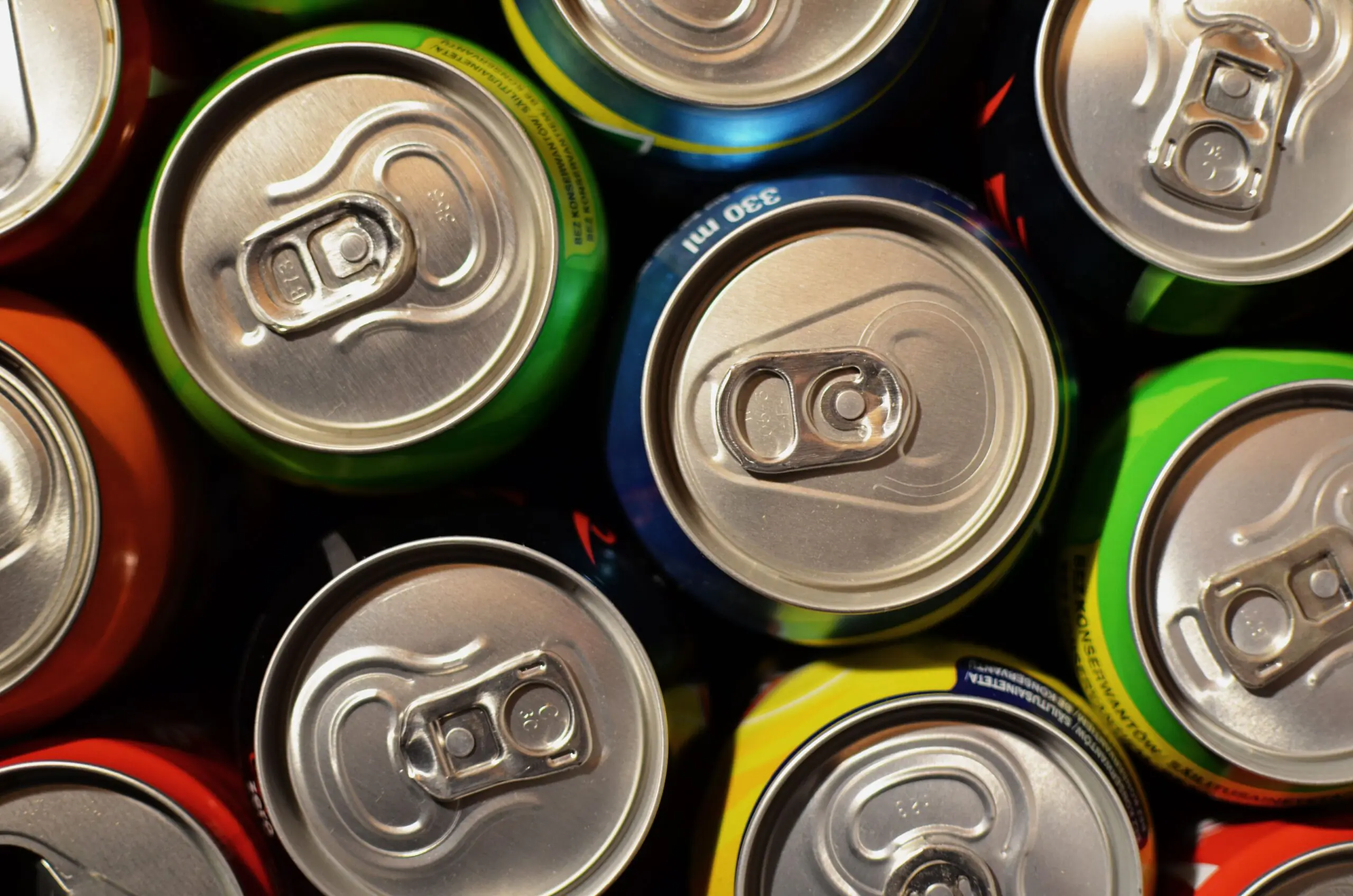
Energy drinks are beverages designed to improve alertness and reduce fatigue. While formulations vary by brand, they commonly contain:
- Caffeine
- Sugar or artificial sweeteners
- Taurine
- Guarana
- Ginseng
- B vitamins
- L-carnitine
Some products contain caffeine amounts comparable to several cups of coffee, especially larger cans or concentrated “shots.”
How Could Energy Drinks Affect Stroke Risk?
A stroke occurs when blood flow to part of the brain is interrupted or when a blood vessel in the brain ruptures.
Although energy drinks do not directly cause most strokes, several ingredients may influence factors associated with stroke risk.
Temporary Blood Pressure Spikes
High caffeine intake can temporarily increase blood pressure, particularly in people who don’t regularly consume caffeine.
Repeated spikes may place additional stress on blood vessels in susceptible individuals.
Increased Heart Rate
Stimulants can make the heart beat faster.
In some people, especially those with heart disease or inherited rhythm disorders, this may trigger abnormal heart rhythms.
Certain irregular heart rhythms, such as atrial fibrillation, can increase the risk of an ischemic stroke because they may allow blood clots to form in the heart.
Effects on Blood Vessel Function
Some studies suggest that energy drinks may temporarily reduce blood vessel function, making arteries less able to expand normally.
Researchers continue to investigate whether repeated exposure contributes to long-term cardiovascular risks.
Dehydration
Although caffeine has only a mild diuretic effect in most habitual users, combining energy drinks with prolonged exercise, heat exposure, or inadequate fluid intake may contribute to dehydration, which can make some cardiovascular symptoms worse.
What Does the Research Say?
Most healthy adults can consume moderate amounts of caffeine without serious problems. However, scientific studies and case reports have described cardiovascular complications—including arrhythmias, severe hypertension, and, rarely, strokes—following excessive energy drink consumption.
Current evidence suggests:
- Moderate intake is generally well tolerated by healthy adults.
- Very large amounts consumed quickly may increase cardiovascular stress.
- People with heart disease or uncontrolled high blood pressure may face greater risks.
- More long-term research is needed to understand the effects of frequent, high-volume energy drink consumption.
Importantly, case reports alone do not prove that energy drinks caused a stroke, but they highlight situations that warrant further study.
Who May Be at Higher Risk?
Certain individuals should be particularly cautious.
Higher-risk groups include:
- People with high blood pressure
- Individuals with heart disease
- Those with irregular heart rhythms
- People who have previously had a stroke
- Individuals with uncontrolled diabetes
- Pregnant women
- Children and adolescents
- People sensitive to caffeine
Warning Signs That Require Immediate Medical Attention
Seek emergency care immediately if you experience:
- Sudden weakness on one side of the body
- Facial drooping
- Difficulty speaking
- Sudden vision changes
- Severe headache unlike previous headaches
- Loss of coordination
- Confusion
- Difficulty walking
These may be symptoms of a stroke and require urgent treatment.
Energy Drinks and Mixing With Alcohol
Mixing energy drinks with alcohol presents additional concerns.
Because caffeine can reduce feelings of drowsiness without reversing alcohol-related impairment, people may underestimate how intoxicated they are. This combination has also been linked to risk-taking behaviors and may increase cardiovascular stress.
How Much Caffeine Is Too Much?
For most healthy adults, many health authorities consider up to 400 milligrams of caffeine per day to be a reasonable upper limit.
However, individual tolerance varies.
Factors that influence caffeine sensitivity include:
- Body size
- Age
- Pregnancy
- Medications
- Heart conditions
- Anxiety disorders
- Genetics
Remember that caffeine may also come from coffee, tea, soda, chocolate, and certain medications.
Tips for Safer Energy Drink Consumption
If you choose to drink energy beverages:
- Read the caffeine content on the label.
- Avoid consuming multiple cans in a short period.
- Don’t combine energy drinks with alcohol.
- Stay hydrated, especially during exercise.
- Avoid consuming them close to bedtime.
- Stop using them if they cause palpitations, chest pain, or dizziness.
- Speak with your healthcare provider if you have cardiovascular disease.
Healthier Alternatives for Natural Energy
Instead of relying on energy drinks every day, consider:
- Drinking enough water
- Getting adequate sleep
- Eating balanced meals
- Exercising regularly
- Limiting excessive sugar intake
- Drinking coffee or tea in moderation if caffeine is appropriate for you
These habits provide more sustainable energy without exposing you to large amounts of stimulants in a single beverage.
Key Takeaways
- Energy drinks do not appear to directly cause strokes in most healthy people.
- High amounts of caffeine and stimulants can temporarily increase blood pressure and heart rate.
- People with heart disease, uncontrolled hypertension, or rhythm disorders should be especially cautious.
- Excessive consumption, particularly when combined with alcohol or intense exercise, may increase cardiovascular stress.
- Sudden stroke symptoms require immediate emergency medical care.
Frequently Asked Questions
Can one energy drink cause a stroke?
For most healthy adults, a single energy drink is unlikely to cause a stroke. However, people with certain medical conditions or those consuming very high amounts of stimulants may be at greater risk for cardiovascular complications.
Are energy drinks worse than coffee?
Not necessarily. Some energy drinks contain caffeine amounts similar to coffee, but they may also include other stimulants and high amounts of sugar. The total caffeine content and serving size matter more than the type of beverage alone.
Can energy drinks increase blood pressure?
Yes. Caffeine can temporarily raise blood pressure, particularly in people who are sensitive to caffeine or who don’t consume it regularly.
Should people with high blood pressure avoid energy drinks?
People with uncontrolled high blood pressure or cardiovascular disease should discuss energy drink use with their healthcare provider, as these beverages may worsen blood pressure or trigger heart rhythm problems.
What are the symptoms of too much caffeine?
Symptoms may include rapid heartbeat, palpitations, anxiety, restlessness, tremors, nausea, dizziness, difficulty sleeping, and elevated blood pressure.
Final Thoughts
Energy drinks can provide a temporary boost in alertness, but they aren’t without potential risks. For most healthy adults, occasional use in moderation is unlikely to cause a stroke on its own. However, consuming large quantities, mixing them with alcohol, or relying on them despite underlying heart or blood pressure problems may increase cardiovascular strain. If you have risk factors for stroke or experience symptoms such as chest pain, fainting, or neurological changes after drinking an energy beverage, seek medical attention promptly. Making informed choices and using these products sparingly is the safest approach.