


Gum Disease Self-Care: What You Can Do at Home

gum disease self-care

Gum Disease Self-Crea:What You Can Do at Ho me

If your gums are red, swollen, tender, or bleeding when you brush, you may be dealing with gum disease. The good news is that early gum disease, called gingivitis, can often improve significantly with consistent oral hygiene.

But self-care has limits. Once gum disease progresses to periodontitis, professional dental treatment is usually necessary to control the infection and prevent further damage.

What Is Gum Disease?

Gum disease happens when plaque—a sticky film of bacteria—builds up around your teeth and along the gumline.

It generally develops in stages:

Gingivitis → Periodontitis → Tooth and bone damage

Early symptoms can include:

  • Bleeding while brushing or flossing
  • Red or swollen gums
  • Tender gums
  • Persistent bad breath
  • Gums that look darker or more irritated than usual

More advanced disease can cause receding gums, loose teeth, pus around the gums, changes in your bite, or teeth that appear to be getting longer.


1. Brush Your Teeth Twice a Day

This is the foundation of gum-disease self-care.

Use a soft-bristled toothbrush and fluoride toothpaste. Brush gently for about two minutes, twice a day.

Don’t scrub aggressively. Hard brushing can irritate your gums and contribute to gum recession.

Pay particular attention to where your teeth meet your gums, because that’s where plaque commonly accumulates.

Electric or manual toothbrush?

Either can work. What matters most is effective, consistent technique.

An electric toothbrush with a pressure sensor can be particularly helpful if you tend to brush too hard.


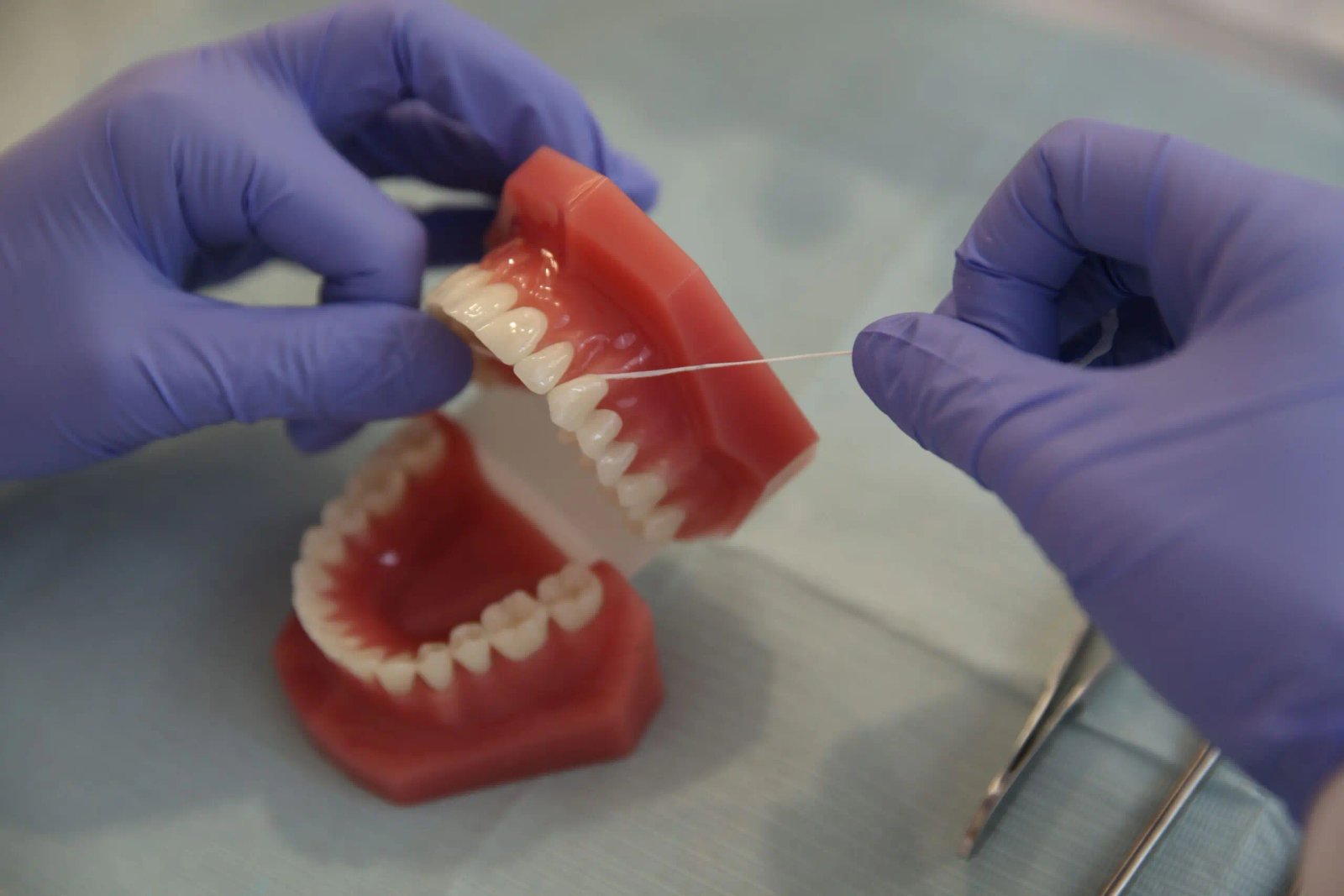
2. Clean Between Your Teeth Every Day

Brushing alone doesn’t effectively clean all the surfaces between your teeth.

Choose whichever method you can use consistently:

  • Dental floss
  • Interdental brushes
  • Water flosser
  • Other dentist-recommended interdental cleaners

If your gums bleed when you start cleaning between your teeth, don’t automatically stop. Inflamed gums can bleed easily.

However, persistent or heavy bleeding should be evaluated by a dentist.


3. Don’t Stop Cleaning Because Your Gums Bleed

This is one of the most common mistakes.

People see blood on the toothbrush and think:

“I’m hurting my gums, so I should brush less.”

Often, the opposite is needed: plaque-induced inflammation is what makes gums bleed.

Continue gentle brushing and daily interdental cleaning.

If bleeding continues despite good oral hygiene, arrange a dental examination.


4. Consider an Antibacterial Mouthwash

Some mouthwashes can help reduce plaque and gingivitis as an addition to brushing and interdental cleaning.

But mouthwash isn’t a substitute for physically removing plaque.

If you’re considering a prescription antimicrobial rinse such as chlorhexidine, use it only according to your dentist or healthcare professional’s instructions. Long-term use can cause staining and other side effects.


5. Don’t Smoke

Smoking is strongly associated with gum disease and can make treatment less successful.

If you smoke, quitting is one of the most valuable things you can do for your oral health.

The same principle applies to other tobacco products.


6. Limit Frequent Sugary Snacks and Drinks

Sugar doesn’t directly “cause” gum disease in the same way plaque bacteria and poor plaque control do, but frequent sugar exposure can contribute to dental decay, which can complicate overall oral health.

Try to keep sugary foods and drinks to mealtimes rather than constantly snacking throughout the day.


7. Drink Water

Water helps keep your mouth hydrated and can help wash away food particles.

It’s particularly useful as a replacement for frequently sipping sugary drinks.

If you have dry mouth from medication or another condition, tell your dentist because reduced saliva can increase your risk of oral problems.


8. Keep Your Dental Appointments

This is the part people sometimes don’t want to hear.

Home care cannot remove hardened tartar (calculus).

Once plaque hardens into tartar, professional dental instruments are generally required to remove it.

A dentist or dental hygienist can also check for:

  • Gum pockets
  • Bone loss
  • Receding gums
  • Loose teeth
  • Infection
  • Other causes of bleeding

If you already have periodontitis, you may need professional periodontal treatment rather than self-care alone.


Can Gum Disease Be Reversed at Home?

Early gingivitis: Often, yes.

Improving brushing and interdental cleaning can allow inflamed gums to become healthier.

Periodontitis: Usually not with self-care alone.

Periodontitis involves damage to the tissues and bone supporting the teeth. Good home care is extremely important, but it generally needs professional assessment and treatment.

That’s why catching gum disease early is so valuable.


What NOT to Do

Avoid trying to treat gum disease with harsh home remedies such as:

  • Undiluted hydrogen peroxide
  • Bleach
  • Strong acids such as vinegar or lemon juice
  • Scrubbing your gums aggressively
  • Putting aspirin directly on your gums

These can damage oral tissues rather than treating the underlying problem.


When Should You See a Dentist?

Make a dental appointment if you have:

  • Gums that frequently bleed
  • Persistent swollen or red gums
  • Bad breath that doesn’t improve
  • Gum recession
  • Pus around your gums
  • Tooth sensitivity associated with recession
  • Loose or shifting teeth
  • Pain when chewing

Seek urgent dental care if you develop significant facial swelling, fever, difficulty swallowing, or difficulty breathing.


A Simple Daily Gum-Care Routine

Morning

1. Brush for about 2 minutes with fluoride toothpaste
2. Spit rather than immediately rinsing away the toothpaste

During the day

3. Drink water regularly
4. Limit frequent sugary snacks and drinks
5. Don’t smoke

Evening

6. Clean between your teeth
7. Brush gently for about 2 minutes
8. Follow any dentist-prescribed mouthwash or treatment instructions

Consistency matters far more than buying a cupboard full of expensive oral-care products.


Key Takeaways

  • Brush twice daily with a soft-bristled toothbrush and fluoride toothpaste.
  • Clean between your teeth every day using floss, interdental brushes, or another effective method.
  • Don’t stop cleaning simply because mildly inflamed gums bleed.
  • Smoking can significantly worsen gum health, so quitting is important.
  • Mouthwash can be an addition, but it doesn’t replace brushing and interdental cleaning.
  • Tartar cannot be reliably removed at home and may require professional cleaning.
  • Early gingivitis can often improve, while established periodontitis generally requires professional treatment.
  • Persistent bleeding, gum recession, pus, or loose teeth should be evaluated by a dentist.

Frequently Asked Questions

How can I get rid of gum disease naturally?

For early gingivitis, the most effective “natural” approach is actually very simple: remove plaque consistently with brushing and cleaning between your teeth, avoid tobacco, and maintain regular dental care. There is no reliable home remedy that can reverse advanced periodontitis.

How long does it take for gingivitis to improve?

With effective daily plaque removal, gum inflammation can begin improving within days, although the exact timeline varies. If bleeding and swelling don’t improve despite good oral hygiene, see a dentist.

Should I floss if I have gum disease?

Yes. Cleaning between the teeth is an important part of controlling plaque. If traditional floss is difficult, interdental brushes or a water flosser may be easier for you to use consistently.

Can gum disease make your teeth fall out?

Advanced periodontitis can damage the bone and tissues supporting the teeth and eventually contribute to tooth loss. Early treatment can help prevent progression.

Is bleeding gums normal?

Occasional minor bleeding isn’t something to ignore. Healthy gums generally shouldn’t regularly bleed during routine brushing or interdental cleaning, so recurring bleeding is a good reason to improve your oral hygiene and arrange a dental evaluation.


Final Thought

The best gum-disease self-care isn’t a miracle ingredient or an elaborate routine. It’s boring, consistent plaque control: brush gently, clean between your teeth, don’t smoke, and get professional care when needed. If your gums are already bleeding regularly, don’t wait for them to become painful—gum disease can progress quietly, and early intervention is much easier than treating advanced disease.

Does Chai Tea Have Caffeine? Everything You Need to Know

Leave a Reply

Your email address will not be published. Required fields are marked *

What's Happening Now!

Stay up-to-date with the latest happenings! From breaking news to trending updates, we've got you covered with all the important stories you need to know. Tune in for fresh headlines, updates, and everything in between on thefortunedaily.com.