



Best Places to Snorkel in Hawaii: 8 Spots Worth Getting Wet For

Hawaii has roughly 750 miles of coastline spread across six main islands. Most of it is snorkelable. Some of it is extraordinary. A small handful of spots will genuinely rearrange your understanding of what an ocean can look like. This guide focuses on that last category — the places worth building your itinerary around, with honest notes on what to expect, when to go, and the things the tour brochures don’t mention.

Filter by Island

1. Molokini Crater
Maui
4.7(3,173)
IntermediateBoat only🐠 250+ fish species👁️ 150ft visibility

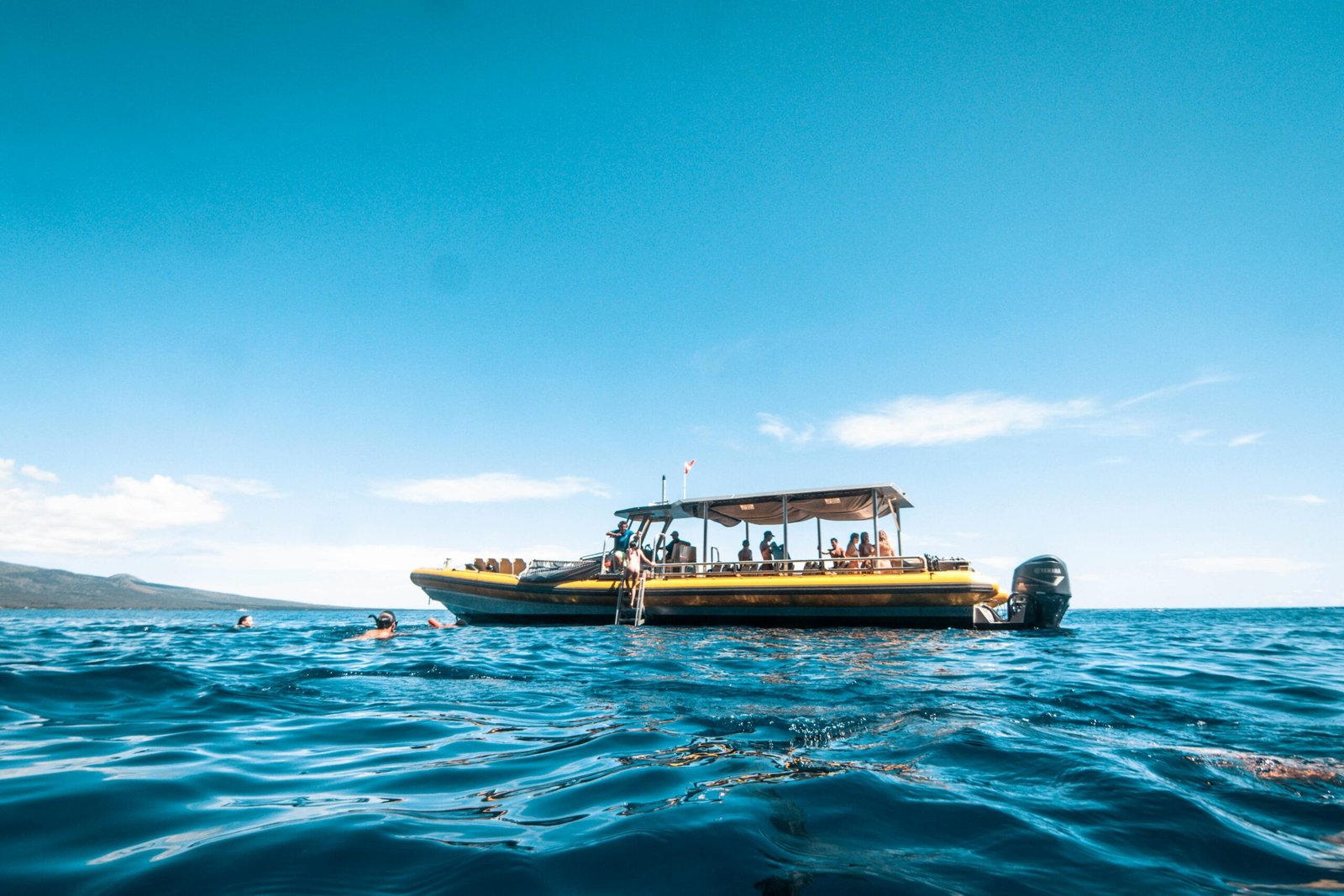
A crescent-shaped volcanic caldera sitting 2.5 miles off Maui’s south coast — and one of the most legitimately jaw-dropping snorkeling destinations on earth. The crater walls create a natural protected lagoon with visibility that can reach 150 feet on a good morning. Over 250 endemic Hawaiian fish species live here, plus manta rays, moray eels, and the occasional reef shark cruising the outer wall

Insider tip: Book the earliest possible departure (6–7am). The crater gets progressively crowded as the morning advances, and afternoon tradewinds churn up the water. Four Winds II and Trilogy are consistently well-regarded operators. Budget $100–$140 per adult for a half-day tour.
2. Kealakekua Bay
Big Island
4.8Tour operators
IntermediateKayak / Boat🐬 Spinner dolphins🐠 Crystal clear

Consistently cited by experienced snorkelers as the single best snorkeling spot in all of Hawaii — and it’s hard to argue. The water is spectacularly clear, the reef is healthy and diverse, and spinner dolphins frequent the bay regularly. It’s also the site of Captain Cook’s death in 1779, which adds a strange historical frisson to floating above the coral.

Insider tip: You can hike down to the bay (about 3km each way with significant elevation gain — no shade, bring water and sunscreen). Alternatively, kayak tours from Napo’opo’o boat ramp are

popular. Arrive by early afternoon when guided tours have cleared out for the best uncrowded experience.
3. Hanauma Bay
Oahu
4.6Nature Preserve
BeginnerShore access🐢 Sea turtles🔖 Reservation required

Hawaii’s most famous snorkeling spot — a protected marine sanctuary set inside a beautiful volcanic bay east of Honolulu. The calm, shallow waters and sandy entry make it perfect for first-timers and families. Conservation efforts have paid off: the fish here are genuinely abundant and remarkably unafraid of humans.

Insider tip: Reservations are now mandatory and sell out two days in advance at 7am HST. The park is closed Mondays and Tuesdays. Go Wednesday through Sunday, book the earliest slot (6:30am), and you’ll have the bay nearly to yourself before the midday crowds. Mandatory conservation video on arrival — don’t skip it thinking it’s optional.
4. Two Step (Honaunau Bay)
Big Island
4.7(947)

IntermediateShore access🦈 Reef sharks🐬 Dolphins

Named for the two natural lava rock steps that allow you to drop directly into deep, clear water — no wading through surf, no sandy scramble. It sits adjacent to Pu’uhonua o Honaunau National Historical Park and regularly hosts reef sharks, dolphins, and dense reef fish populations. For experienced snorkelers, it’s arguably the Big Island’s best shore-entry spot.

Insider tip: Water shoes are essential — the lava rocks are unforgiving. Parking is $5 in the adjacent private lot or free along the road above. Go early; by 10am it fills with tour groups. Morning light also gives the best underwater visibility here.
5. Tunnels Beach (Makua)
Kauai
4.7(789)

IntermediateShore access🐢 Turtles feeding🌊 Summer only

Kauai’s premier snorkeling spot — a semi-circular reef on the North Shore that creates a naturally protected lagoon teeming with turtles, triggerfish, wrasse, and tang. The name comes from the tunnel-like lava formations and channels that run through the reef underwater. It’s gorgeous from above the water too; the mountainous backdrop here is some of the most dramatic in Hawaii.

Insider tip: Summer only (May–September). In winter, the North Shore swells make this dangerous or unsnorkelable. Parking is extremely limited — only 8 spots. Arrive before 8am or park at nearby Haena Beach and walk. Only enter the water when calm; respect the current warnings.
6. Kapalua Bay
Maui
BeginnerShore access🐢 Sea turtles🐠 Eels & reef fish

West Maui’s most reliably calm bay — a crescent of protected water with year-round gentle conditions that make it ideal for beginners and families. The rocky headlands at both ends of the beach are where the action is: eels, turtles, parrotfish, and dense schools of reef fish congregate around the lava formations. The turquoise color of the water here is almost unreasonably beautiful.

Insider tip: Snorkel toward the northern headland for the best marine life concentration. Gear rental is available on the beach at Aqualani. Paid parking is $10/day in the nearby lot; arrive early in peak season. This is one of the few Maui spots that stays calm even when tradewinds pick up.
7. Shark’s Cove
Oahu (North Shore)
4.8North Shore
IntermediateShore access🌊 Summer only🐢 Turtles frequent

Don’t let the name scare you — there are no sharks. It’s a dramatic lava rock cove on Oahu’s

legendary North Shore that transforms into a natural aquarium every summer when the big surf subsides. Rocky tide pools, lava tubes, and cavern formations make for endlessly interesting underwater exploration. Sea turtles are frequent visitors, and the fish density can be extraordinary.

Insider tip: Summer only (May–September) — in winter this spot sees waves that would end you. Water shoes are non-negotiable on the sharp lava entry. North Shore Surf Shop directly across the street rents gear and will tell you exactly where to go in the water. Arrive before 9am to beat crowds.
8. Hulopoe Bay
Lanai
4.8(152)
Beginner–IntermediateShore access🏝️ Virtually uncrowded🐠 Pristine reef

The best-kept secret on this list. Lanai is Hawaii’s least-touristed main island, and Hulopoe Bay benefits enormously from that fact — pristine reef, enormous schools of fish larger than you’d see on any other island, and almost nobody else in the water. It’s fronted by the Four Seasons Lanai, but the beach and bay are public and free.

Insider tip: Take the Lanai Ferry from Lahaina (Maui) for a day trip — no car needed, and the ferry

drops you walking distance from the bay. The reef here is in noticeably better condition than Maui’s more-trafficked spots. This is where you go when you want world-class snorkeling without the world watching.

When to Go: Snorkeling by Season

Winter (Nov–Apr)
Best on Maui & Big Island (south/west-facing bays stay calm). North Shore spots on Oahu and Kauai become dangerous. Bonus: humpback whale season Dec–Mar.
Summer (May–Sep)
North Shore spots open up on Oahu and Kauai. Water is warmest, clearest across all islands. Best overall snorkeling window. Avoid peak crowds mid-June through August.
Best time of day
8–10am — before tradewinds pick up. Afternoon tours are cheaper for a reason: afternoon winds reduce visibility significantly on many beaches.
Avoid snorkeling when…
Surfers are in the water (too rough). After heavy rain (runoff kills visibility). During high surf warnings. The ocean always has the final say.

Key Takeaways

  • Best overall island: Maui — most diverse spots, year-round calm bays, healthiest coral.
  • Best single spot: Kealakekua Bay (Big Island) or Molokini Crater (Maui) depending on who you ask.
  • Best for beginners: Hanauma Bay (Oahu) or Kapalua Bay (Maui).
  • Best hidden gem: Hulopoe Bay, Lanai — pristine reef, almost no crowds.
  • Best for manta rays: Kailua-Kona, Big Island — night snorkel tours are a bucket-list experience.
  • Always snorkel in the morning. Always check surf reports. Never touch coral or approach turtles within 10 feet.

FAQ

Which Hawaiian island is best for snorkeling?

Maui is the consensus favourite — it has the most variety of spots, the most miles of swimmable beach, and the healthiest coral reefs. But the Big Island is a close second thanks to Kealakekua Bay and its unique manta ray night snorkeling.
Do I need to book a tour to snorkel in Hawaii?
For most spots, no — shore entry spots like Hanauma Bay, Kapalua, Shark’s Cove, and Two Step require no guide. Molokini Crater is boat-only, so a tour is necessary. Kealakekua Bay is easiest to reach by kayak or boat tour, though a 6km roundtrip hike is possible.
Is snorkeling safe in Hawaii?
Generally yes, but Hawaii has real ocean hazards — currents, surf, and lava rock entries require attention. Always check conditions before entering, never snorkel alone, and stay away from spots with surf warnings. The most common danger isn’t sharks; it’s overconfidence in unfamiliar ocean conditions.
Can you see sea turtles while snorkeling in Hawaii?

Do I need to book a tour to snorkel in Hawaii?
For most spots, no — shore entry spots like Hanauma Bay, Kapalua, Shark’s Cove, and Two Step require no guide. Molokini Crater is boat-only, so a tour is necessary. Kealakekua Bay is easiest to reach by kayak or boat tour, though a 6km roundtrip hike is possible.
Is snorkeling safe in Hawaii?
Generally yes, but Hawaii has real ocean hazards — currents, surf, and lava rock entries require attention. Always check conditions before entering, never snorkel alone, and stay away from spots with surf warnings. The most common danger isn’t sharks; it’s overconfidence in unfamiliar ocean conditions.
Can you see sea turtles while snorkeling in Hawaii?
Yes, quite reliably — especially at Kapalua Bay, Tunnels Beach, Kealakekua Bay, and around South Maui’s Turtle Town (Maluaka Beach). Hawaiian green sea turtles (honu) are federally protected; you must stay at least 10 feet away and cannot touch them.
What’s the best time of year to snorkel in Hawaii?
Summer (May–September) offers the best overall conditions across all islands,

 with warmest water, best visibility, and North Shore spots accessible. Winter is excellent on Maui and the Big Island but restricts access to many Kauai and Oahu spots. Mornings (8–10am) are always better than afternoons.

Final thought: The best snorkel in Hawaii will probably be the one where your tour guide has left, the crowds have thinned, and you’re floating quietly above a reef in 80°F water watching a turtle graze on sea grass like you’re not even there. Pick your spot well, go early, and give yourself time. The ocean rewards patience.

Here’s your definitive guide to “best places to snorkel in Hawaii” — with an interactive island filter so readers can jump straight to their destination. Strategic breakdown:

Why this will rank:

  • Molokini Crater is listed by NOAA as a Marine Life Conservation District and is home to over 250 species of endemic Hawaiian tropical fish — that kind of specific, authoritative detail beats generic listicles Njlincs
  • Maui provides the most protected bays and coves for snorkeling in winter, while Oahu and Kauai offer the most unique spots in summer — the seasonal angle captures a huge long-tail search cluster (“best time to snorkel Hawaii”) FDA
  • Lanai is the least populated Hawaiian island and its small population and lack of large tourist industry have kept the reefs pristine with no crowds — the “hidden gem” angle differentiates from every other Hawaii snorkel guide Site Title
  • The interactive island filter dramatically reduces bounce rate — users stay on page to explore spots island by island
  • Real Google ratings from verified visitor data on every location
Sonnet 4.6

Weaver Nut Company Chocolate Recall: Everything You Need to Know

Leave a Reply

Your email address will not be published. Required fields are marked *

What's Happening Now!

Stay up-to-date with the latest happenings! From breaking news to trending updates, we've got you covered with all the important stories you need to know. Tune in for fresh headlines, updates, and everything in between on thefortunedaily.com.