


Why Am I So Bloated? Causes, Symptoms, and What You Can Do
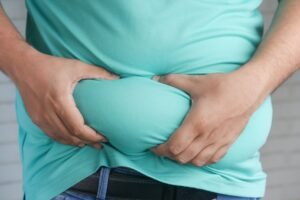
Feeling bloated can be surprisingly uncomfortable. Your stomach may feel full, tight, swollen, or stretched, and sometimes your clothes suddenly feel much tighter than usual.
The good news is that occasional bloating is very common and is often related to gas, digestion, eating habits, constipation, or hormonal changes. However, persistent or severe bloating can sometimes point to an underlying medical problem.
Here’s how to understand what’s happening.
What Actually Causes Bloating?
Bloating doesn’t necessarily mean you’ve gained weight.
It can happen when your digestive system contains more gas, food, or fluid than usual, or when your intestines become more sensitive to normal amounts of gas.
Common causes include:
1. Eating Too Quickly
When you eat quickly, you may swallow more air. That extra air can contribute to:
- Burping
- Gas
- Abdominal pressure
- A bloated feeling
Slowing down and chewing thoroughly can help.
2. Gas-Producing Foods
Certain foods are more likely to produce gas as they are digested.
Common examples include:
- Beans and lentils
- Broccoli
- Cabbage
- Cauliflower
- Onions
- Garlic
- Carbonated drinks
- Some high-fiber foods
This doesn’t mean these foods are unhealthy. In fact, many are extremely nutritious. The issue is that some people are more sensitive to them.
3. Constipation
Constipation is one of the most overlooked causes of bloating.
When stool moves slowly through the intestines, gas can become trapped and your abdomen may feel distended.
You might also notice:
- Infrequent bowel movements
- Hard stools
- Straining
- Feeling like you haven’t completely emptied your bowel
Increasing fluids, gradually increasing fiber, and staying physically active can help in many cases.
4. Eating a Large Meal
Sometimes the explanation is wonderfully simple: you ate a lot.
Your stomach and intestines need time to process a large meal. You may temporarily feel extremely full or swollen afterward.
Large meals that are high in fat can also take longer to digest.
5. Carbonated Drinks
Soda, sparkling water, and other fizzy drinks contain carbon dioxide.
That gas has to leave your digestive system somehow—usually through burping or passing gas.
If you’re frequently bloated, try reducing carbonated beverages for several days and see whether there’s a difference.
6. Food Intolerances
Certain foods can cause bloating if your body has difficulty digesting them.
Lactose Intolerance
If you’re lactose intolerant, dairy products can cause:
- Bloating
- Gas
- Abdominal cramps
- Diarrhea
Symptoms often appear after consuming milk, ice cream, or other dairy products.
Fructose and Other Carbohydrates
Some people have difficulty absorbing certain carbohydrates, which can lead to fermentation by gut bacteria and increased gas.
7. Irritable Bowel Syndrome (IBS)
IBS is a common digestive disorder that can cause recurring:
- Bloating
- Abdominal pain
- Diarrhea
- Constipation
- Changes in bowel habits
Some people notice that particular foods or stress make their symptoms worse.
If bloating happens frequently alongside changes in bowel movements, it’s worth discussing with a healthcare professional.
8. Hormonal Changes
Some people experience bloating around their menstrual period.
Hormonal fluctuations can affect digestion and cause temporary changes in fluid retention and bowel function.
This type of bloating often improves after the menstrual period begins or ends.
9. Eating Too Much Salt
A high-sodium meal can cause your body to retain more water.
You might notice temporary puffiness or bloating after eating foods such as:
- Fast food
- Processed meats
- Chips
- Instant noodles
- Takeout meals
- Highly salted snacks
This is usually water retention rather than fat gain.
10. Stress
Your brain and digestive system are closely connected.
Stress can influence how quickly food moves through your digestive tract and can make you more aware of normal intestinal sensations.
Some people notice considerably more bloating during stressful periods.
Why Am I Bloated Every Day?
Occasional bloating is usually not concerning.
But daily or persistent bloating deserves more attention.
Possible causes include:
- Chronic constipation
- IBS
- Food intolerance
- Small intestinal bacterial overgrowth (SIBO)
- Celiac disease
- Gastroesophageal reflux or other digestive conditions
- Certain medications
Persistent bloating doesn’t necessarily mean something serious is wrong, but it’s worth getting evaluated if it doesn’t improve.
How to Reduce Bloating
Try these simple changes:
Eat More Slowly
Take your time and chew your food thoroughly.
Drink Enough Water
Adequate hydration can help prevent constipation.
Walk After Eating
A gentle walk can encourage normal movement of gas and food through the digestive system.
Reduce Carbonated Drinks
Try eliminating fizzy drinks temporarily and see whether your symptoms improve.
Increase Fiber Gradually
Fiber is important for digestive health, but suddenly eating a huge amount can actually make bloating worse.
Increase it gradually and drink enough fluids.
Keep a Food Diary
Write down what you eat and when bloating occurs.
You may discover a pattern involving:
- Dairy
- Beans
- Wheat
- Certain fruits
- Artificial sweeteners
- Large meals
Don’t automatically eliminate large food groups without a good reason, though. A healthcare professional or dietitian can help if you suspect an intolerance.
When Is Bloating a Warning Sign?
See a healthcare professional if your bloating is persistent, worsening, or repeatedly returning without an obvious explanation.
Seek urgent medical attention if bloating occurs with:
- Severe or sudden abdominal pain
- Persistent vomiting
- Blood in the stool
- Black/tarry stools
- Fever
- A very swollen or hard abdomen
- Inability to pass stool or gas
- Unexplained weight loss
- Difficulty breathing
These symptoms can indicate a problem that needs prompt assessment.
Bloating vs. Weight Gain
This distinction is important.
Bloating can appear within hours, whereas body-fat gain generally develops over a longer period.
If your abdomen suddenly looks larger after a meal, that’s much more likely to be related to food, gas, stool, or fluid than a sudden increase in body fat.
Quick Checklist: What Might Be Causing Your Bloating?
| What you’re experiencing | Possible explanation |
|---|---|
| Bloating after meals | Eating quickly, large meals, food intolerance |
| Bloating + constipation | Slow bowel movement |
| Bloating + diarrhea | Food intolerance, infection, IBS |
| Bloating after dairy | Lactose intolerance |
| Bloating after beans/vegetables | Fermentation and gas |
| Bloating around your period | Hormonal changes |
| Bloating after salty foods | Temporary water retention |
| Frequent bloating + abdominal pain | IBS or another digestive condition |
Key Takeaways
- Gas and constipation are two of the most common causes of bloating.
- Eating quickly, large meals, carbonated drinks, and certain foods can make it worse.
- Food intolerances and IBS can cause recurring bloating.
- Hormonal changes and high-salt meals can cause temporary bloating.
- Persistent or unexplained bloating should be discussed with a healthcare professional.
- Severe pain, vomiting, blood in the stool, inability to pass gas or stool, or unexplained weight loss are warning signs.
Frequently Asked Questions
Why am I bloated even when I haven’t eaten much?
Bloating isn’t determined solely by how much you eat. Constipation, trapped gas, food intolerance, hormonal changes, and increased sensitivity in the digestive tract can cause bloating even after a small meal.
How can I get rid of bloating quickly?
A gentle walk, drinking water, avoiding carbonated drinks, and allowing yourself to pass gas or have a bowel movement may help. Avoid suddenly eating large amounts of fiber, which can temporarily worsen gas.
Does drinking water help bloating?
It can, particularly when constipation or dehydration contributes to the problem. However, drinking excessive amounts of water won’t immediately eliminate bloating.
Why am I bloated every morning?
Morning bloating can be related to constipation, digestion from the previous day’s meals, swallowed air, food intolerance, or other digestive issues. If it happens consistently, discuss it with a healthcare professional.
Can stress make you bloated?
Yes. Stress can affect digestion and intestinal movement and may make normal digestive sensations feel more uncomfortable.
Final Thought
Bloating is usually your digestive system telling you that something has changed—perhaps the meal was unusually large, you’re constipated, you swallowed extra air, or a particular food doesn’t agree with you. Occasional bloating is generally nothing to panic about. But if you’re bloated most days, the problem keeps getting worse, or you’ve developed other symptoms, don’t simply keep cutting foods out of your diet. Finding the underlying cause is a much better long-term strategy.
Why
Why Am I So Bloated? Causes, Symptoms, and What You Can Do
Feeling bloated can be surprisingly uncomfortable. Your stomach may feel full, tight, swollen, or stretched, and sometimes your clothes suddenly feel much tighter than usual.
The good news is that occasional bloating is very common and is often related to gas, digestion, eating habits, constipation, or hormonal changes. However, persistent or severe bloating can sometimes point to an underlying medical problem.
Here’s how to understand what’s happening.
What Actually Causes Bloating?
Bloating doesn’t necessarily mean you’ve gained weight.
It can happen when your digestive system contains more gas, food, or fluid than usual, or when your intestines become more sensitive to normal amounts of gas.
Common causes include:
1. Eating Too Quickly
When you eat quickly, you may swallow more air. That extra air can contribute to:
- Burping
- Gas
- Abdominal pressure
- A bloated feeling
Slowing down and chewing thoroughly can help.
2. Gas-Producing Foods
Certain foods are more likely to produce gas as they are digested.
Common examples include:
- Beans and lentils
- Broccoli
- Cabbage
- Cauliflower
- Onions
- Garlic
- Carbonated drinks
- Some high-fiber foods
This doesn’t mean these foods are unhealthy. Many are extremely nutritious. The issue is that some people are more sensitive to them.
3. Constipation
Constipation is one of the most overlooked causes of bloating.
When stool moves slowly through the intestines, gas can become trapped and your abdomen may feel distended.
You might also notice:
- Infrequent bowel movements
- Hard stools
- Straining
- Feeling like you haven’t completely emptied your bowel
Increasing fluids, gradually increasing fiber, and staying physically active can help in many cases.
4. Eating a Large Meal
Sometimes the explanation is wonderfully simple: you ate a lot.
Your stomach and intestines need time to process a large meal. You may temporarily feel extremely full or swollen afterward.
Large meals that are high in fat can also take longer to digest.
5. Carbonated Drinks
Soda, sparkling water, and other fizzy drinks contain carbon dioxide.
That gas has to leave your digestive system somehow—usually through burping or passing gas.
If you’re frequently bloated, try reducing carbonated beverages for several days and see whether there’s a difference.
6. Food Intolerances
Certain foods can cause bloating if your body has difficulty digesting them.
Lactose intolerance, for example, can cause bloating, gas, abdominal cramps, and diarrhea after consuming dairy.
Some people also have difficulty absorbing certain carbohydrates, which can lead to fermentation by gut bacteria and increased gas.
7. Irritable Bowel Syndrome (IBS)
IBS is a common digestive disorder that can cause recurring:
- Bloating
- Abdominal pain
- Diarrhea
- Constipation
- Changes in bowel habits
Some people notice that particular foods or stress make their symptoms worse.
8. Hormonal Changes
Some people experience bloating around their menstrual period.
Hormonal fluctuations can affect digestion and cause temporary changes in fluid retention and bowel function.
9. Eating Too Much Salt
A high-sodium meal can cause your body to retain more water.
You might notice temporary puffiness or bloating after eating fast food, processed foods, chips, instant noodles, or highly salted snacks.
This is usually water retention rather than fat gain.
10. Stress
Your brain and digestive system are closely connected.
Stress can influence how quickly food moves through your digestive tract and can make you more aware of normal intestinal sensations.
Some people notice considerably more bloating during stressful periods.
Why Am I Bloated Every Day?
Occasional bloating is usually not concerning.
But daily or persistent bloating deserves more attention.
Possible causes include:
- Chronic constipation
- IBS
- Food intolerance
- Small intestinal bacterial overgrowth (SIBO)
- Celiac disease
- Other digestive conditions
- Certain medications
Persistent bloating doesn’t necessarily mean something serious is wrong, but it’s worth getting evaluated if it doesn’t improve.
How to Reduce Bloating
Try these simple changes:
- Eat more slowly and chew your food thoroughly.
- Drink enough water, particularly if constipation may be contributing.
- Walk after eating to encourage normal movement through the digestive system.
- Reduce carbonated drinks if they trigger symptoms.
- Increase fiber gradually rather than making a sudden dietary change.
- Keep a food diary to identify possible triggers.
Don’t automatically eliminate large food groups without a good reason. A healthcare professional or dietitian can help if you suspect a food intolerance.
When Is Bloating a Warning Sign?
See a healthcare professional if your bloating is persistent, worsening, or repeatedly returning without an obvious explanation.
Seek urgent medical attention if bloating occurs with:
- Severe or sudden abdominal pain
- Persistent vomiting
- Blood in the stool
- Black or tarry stools
- Fever
- A very swollen or hard abdomen
- Inability to pass stool or gas
- Unexplained weight loss
- Difficulty breathing
Bloating vs. Weight Gain
This distinction is important.
Bloating can appear within hours, whereas body-fat gain generally develops over a longer period.
If your abdomen suddenly looks larger after a meal, that’s much more likely to be related to food, gas, stool, or fluid than a sudden increase in body fat.
Key Takeaways
- Gas and constipation are two of the most common causes of bloating.
- Eating quickly, large meals, carbonated drinks, and certain foods can make it worse.
- Food intolerances and IBS can cause recurring bloating.
- Hormonal changes and high-salt meals can cause temporary bloating.
- Persistent or unexplained bloating should be discussed with a healthcare professional.
- Severe pain, vomiting, blood in the stool, inability to pass gas or stool, or unexplained weight loss are warning signs.
Frequently Asked Questions
Why am I bloated even when I haven’t eaten much?
Bloating isn’t determined solely by how much you eat. Constipation, trapped gas, food intolerance, hormonal changes, and increased sensitivity in the digestive tract can cause bloating even after a small meal.
How can I get rid of bloating quickly?
A gentle walk, drinking water, avoiding carbonated drinks, and allowing yourself to pass gas or have a bowel movement may help. Avoid suddenly eating large amounts of fiber, which can temporarily worsen gas.
Does drinking water help bloating?
It can, particularly when constipation or dehydration contributes to the problem. However, drinking excessive amounts of water won’t immediately eliminate bloating.
Why am I bloated every morning?
Morning bloating can be related to constipation, digestion from the previous day’s meals, swallowed air, food intolerance, or other digestive issues. If it happens consistently, discuss it with a healthcare professional.
Can stress make you bloated?
Yes. Stress can affect digestion and intestinal movement and may make normal digestive sensations feel more uncomfortable.
Final Thought
Bloating is usually your digestive system telling you that something has changed—perhaps the meal was unusually large, you’re constipated, you swallowed extra air, or a particular food doesn’t agree with you. Occasional bloating is generally nothing to panic about. But if you’re bloated most days, the problem keeps getting worse, or you’ve developed other symptoms, don’t simply keep cutting foods out of your diet. Finding the underlying cause is a much better long-term strategy.
Short Haircuts for Oval Faces Male: 15 Styles That Actually Work
If you have an oval face, you’re in luck: it’s one of the easiest face shapes to style. Your proportions are naturally balanced, so you can pull off everything from a clean buzz cut to a textured crop.
The trick is choosing a haircut that works with your hair type, hairline, and personal style rather than simply choosing something because it looks good in a photo.
1. Textured Crop
The textured crop is one of my favorite short styles for an oval face.
The hair stays relatively short on top, with texture created using scissors or a texturizing technique.
Why it works:
- Adds definition without making the face look longer
- Easy to style
- Works well with straight, wavy, or slightly curly hair
- Looks excellent with a fade
Ask your barber for a short textured top with a low or mid fade.
2. French Crop
The French crop is similar to the textured crop but usually features a more defined fringe across the forehead.
It’s a particularly good choice if you want something:
- Low-maintenance
- Modern
- Masculine
- Easy to style in the morning
A slightly messy fringe can make the haircut look less rigid.
3. Crew Cut
Want something clean and professional?
The crew cut is hard to beat.
It’s short enough to require minimal styling but leaves slightly more length on top than a buzz cut.
Best combination:
Short sides + slightly longer textured top.
4. Low Fade With Short Top
A low fade keeps the sides neat without dramatically exposing the entire side of your head.
Pair it with:
- Textured hair
- Short quiff
- Side part
- Crop
- Short messy top
This is one of the most versatile options for an oval face.
5. Mid Fade + Textured Top
If you prefer a sharper, more contemporary appearance, try a mid fade.
Keep around 1–2 inches of textured hair on top and ask your barber to blend the fade naturally into the sides.
This gives you a clean silhouette without requiring a lot of styling.
6. Buzz Cut
An oval face can handle a buzz cut extremely well.
The important thing is getting the proportions right.
You can choose:
- Same length all over
- Slightly longer on top
- Skin fade with a short top
If you have a strong jawline and an even head shape, the buzz cut can look particularly sharp.
7. Ivy League
The Ivy League is essentially a slightly longer, more polished crew cut.
It works well if you want something suitable for:
- Office environments
- Formal occasions
- Everyday wear
You can style the top slightly to the side for a classic finish.
8. Short Side Part
A short side part gives an oval face a clean, structured appearance.
Keep the sides tapered rather than extremely long and leave enough length on top to create the part.
For a modern version, combine it with a low taper fade.
9. Caesar Cut
The Caesar is another excellent short option.
It features:
- Short textured hair
- A short horizontal fringe
- Short sides
It’s especially convenient if you don’t want to spend much time styling your hair.
10. Short Quiff
A short quiff adds a little height without going overboard.
For an oval face, avoid making the quiff extremely tall, because excessive height can make the face appear longer.
A low taper + short textured quiff is a great balance.
11. High and Tight
If you prefer military-inspired styles, the high and tight is worth considering.
It’s extremely short around the sides with a compact top.
Advantages:
- Very low maintenance
- Sharp appearance
- Great for hot weather
- Doesn’t require much product
12. Short Slick Back
If your hair is naturally thick and relatively straight, a short slick back can work beautifully.
Keep the style controlled rather than excessively tall.
A matte styling product generally gives a more modern appearance than an overly shiny finish.
13. Taper Fade With Messy Top
For something relaxed, ask for a taper fade with a messy textured top.
It’s a great everyday haircut because it doesn’t need to look perfectly styled.
Just add a small amount of matte clay or paste, work it through your hair, and you’re done.
14. Short Curly Crop
If you have curly hair, don’t feel like you need to straighten it.
A short curly crop with a taper or fade can look excellent on an oval face.
Keep enough length on top for the curls to retain their shape.
15. Short Wavy Hair With Taper
For naturally wavy hair, a short taper combined with textured waves creates a relaxed, modern look.
This is particularly good if you want something that looks styled without looking overly styled.
Best Short Haircuts for Different Hair Types
| Hair type | Great options |
|---|---|
| Straight | Side part, crew cut, crop |
| Thick | Textured crop, quiff, French crop |
| Thin | Buzz cut, textured crop, short Caesar |
| Wavy | Textured crop, messy top, taper |
| Curly | Curly crop, short taper |
| Receding hairline | Buzz cut, Caesar, textured crop |
Which Haircut Is Best for an Oval Face?
If you want my shortlist:
🥇 Best overall
Textured crop + low/mid fade
🥈 Best low-maintenance
Buzz cut
🥉 Best professional
Ivy League or short side part
Best modern look
Taper fade + textured top
Best for curly hair
Short curly crop + taper
Best for thin hair
Textured crop or buzz cut
What Should You Tell Your Barber?
Instead of simply saying “Give me a haircut for an oval face,” be specific.
For example:
“Keep the top around 1–2 inches with plenty of texture. Give me a low taper fade around the ears and neckline, and keep the transition natural.”
That gives your barber something concrete to work with.
Also tell them:
- How much length you want removed
- Whether you want a fade or taper
- How much time you spend styling your hair
- Whether you want a fringe
- Whether you’re trying to hide or emphasize your hairline
Key Takeaways
- Oval faces are naturally versatile and suit many short hairstyles.
- Textured crops, crew cuts, fades, buzz cuts, and short side parts are particularly reliable choices.
- Match the haircut to your hair texture and hairline, not just your face shape.
- Avoid excessive height if you don’t want to make your face appear longer.
- A good barber can modify almost any style to fit your specific proportions.
Final Thought
The best haircut for an oval face isn’t necessarily the trendiest one. It’s the one that makes your face shape, hair texture, hairline, and lifestyle work together. If you want something safe and modern, start with a textured crop or taper fade—you can always experiment with more length later.
Why Am I So Bloated? Causes, Symptoms, and What You Can Do
Feeling bloated can be surprisingly uncomfortable. Your stomach may feel full, tight, swollen, or stretched, and sometimes your clothes suddenly feel much tighter than usual.
The good news is that occasional bloating is very common and is often related to gas, digestion, eating habits, constipation, or hormonal changes. However, persistent or severe bloating can sometimes point to an underlying medical problem.
Here’s how to understand what’s happening.
What Actually Causes Bloating?
Bloating doesn’t necessarily mean you’ve gained weight.
It can happen when your digestive system contains more gas, food, or fluid than usual, or when your intestines become more sensitive to normal amounts of gas.
Common causes include:
1. Eating Too Quickly
When you eat quickly, you may swallow more air. That extra air can contribute to:
- Burping
- Gas
- Abdominal pressure
- A bloated feeling
Slowing down and chewing thoroughly can help.
2. Gas-Producing Foods
Certain foods are more likely to produce gas as they are digested.
Common examples include:
- Beans and lentils
- Broccoli
- Cabbage
- Cauliflower
- Onions
- Garlic
- Carbonated drinks
- Some high-fiber foods
This doesn’t mean these foods are unhealthy. In fact, many are extremely nutritious. The issue is that some people are more sensitive to them.
3. Constipation
Constipation is one of the most overlooked causes of bloating.
When stool moves slowly through the intestines, gas can become trapped and your abdomen may feel distended.
You might also notice:
- Infrequent bowel movements
- Hard stools
- Straining
- Feeling like you haven’t completely emptied your bowel
Increasing fluids, gradually increasing fiber, and staying physically active can help in many cases.
4. Eating a Large Meal
Sometimes the explanation is wonderfully simple: you ate a lot.
Your stomach and intestines need time to process a large meal. You may temporarily feel extremely full or swollen afterward.
Large meals that are high in fat can also take longer to digest.
5. Carbonated Drinks
Soda, sparkling water, and other fizzy drinks contain carbon dioxide.
That gas has to leave your digestive system somehow—usually through burping or passing gas.
If you’re frequently bloated, try reducing carbonated beverages for several days and see whether there’s a difference.
6. Food Intolerances
Certain foods can cause bloating if your body has difficulty digesting them.
Lactose Intolerance
If you’re lactose intolerant, dairy products can cause:
- Bloating
- Gas
- Abdominal cramps
- Diarrhea
Symptoms often appear after consuming milk, ice cream, or other dairy products.
Fructose and Other Carbohydrates
Some people have difficulty absorbing certain carbohydrates, which can lead to fermentation by gut bacteria and increased gas.
7. Irritable Bowel Syndrome (IBS)
IBS is a common digestive disorder that can cause recurring:
- Bloating
- Abdominal pain
- Diarrhea
- Constipation
- Changes in bowel habits
Some people notice that particular foods or stress make their symptoms worse.
If bloating happens frequently alongside changes in bowel movements, it’s worth discussing with a healthcare professional.
8. Hormonal Changes
Some people experience bloating around their menstrual period.
Hormonal fluctuations can affect digestion and cause temporary changes in fluid retention and bowel function.
This type of bloating often improves after the menstrual period begins or ends.
9. Eating Too Much Salt
A high-sodium meal can cause your body to retain more water.
You might notice temporary puffiness or bloating after eating foods such as:
- Fast food
- Processed meats
- Chips
- Instant noodles
- Takeout meals
- Highly salted snacks
This is usually water retention rather than fat gain.
10. Stress
Your brain and digestive system are closely connected.
Stress can influence how quickly food moves through your digestive tract and can make you more aware of normal intestinal sensations.
Some people notice considerably more bloating during stressful periods.
Why Am I Bloated Every Day?
Occasional bloating is usually not concerning.
But daily or persistent bloating deserves more attention.
Possible causes include:
- Chronic constipation
- IBS
- Food intolerance
- Small intestinal bacterial overgrowth (SIBO)
- Celiac disease
- Gastroesophageal reflux or other digestive conditions
- Certain medications
Persistent bloating doesn’t necessarily mean something serious is wrong, but it’s worth getting evaluated if it doesn’t improve.
How to Reduce Bloating
Try these simple changes:
Eat More Slowly
Take your time and chew your food thoroughly.
Drink Enough Water
Adequate hydration can help prevent constipation.
Walk After Eating
A gentle walk can encourage normal movement of gas and food through the digestive system.
Reduce Carbonated Drinks
Try eliminating fizzy drinks temporarily and see whether your symptoms improve.
Increase Fiber Gradually
Fiber is important for digestive health, but suddenly eating a huge amount can actually make bloating worse.
Increase it gradually and drink enough fluids.
Keep a Food Diary
Write down what you eat and when bloating occurs.
You may discover a pattern involving:
- Dairy
- Beans
- Wheat
- Certain fruits
- Artificial sweeteners
- Large meals
Don’t automatically eliminate large food groups without a good reason, though. A healthcare professional or dietitian can help if you suspect an intolerance.
When Is Bloating a Warning Sign?
See a healthcare professional if your bloating is persistent, worsening, or repeatedly returning without an obvious explanation.
Seek urgent medical attention if bloating occurs with:
- Severe or sudden abdominal pain
- Persistent vomiting
- Blood in the stool
- Black/tarry stools
- Fever
- A very swollen or hard abdomen
- Inability to pass stool or gas
- Unexplained weight loss
- Difficulty breathing
These symptoms can indicate a problem that needs prompt assessment.
Bloating vs. Weight Gain
This distinction is important.
Bloating can appear within hours, whereas body-fat gain generally develops over a longer period.
If your abdomen suddenly looks larger after a meal, that’s much more likely to be related to food, gas, stool, or fluid than a sudden increase in body fat.
Quick Checklist: What Might Be Causing Your Bloating?
| What you’re experiencing | Possible explanation |
|---|---|
| Bloating after meals | Eating quickly, large meals, food intolerance |
| Bloating + constipation | Slow bowel movement |
| Bloating + diarrhea | Food intolerance, infection, IBS |
| Bloating after dairy | Lactose intolerance |
| Bloating after beans/vegetables | Fermentation and gas |
| Bloating around your period | Hormonal changes |
| Bloating after salty foods | Temporary water retention |
| Frequent bloating + abdominal pain | IBS or another digestive condition |
Key Takeaways
- Gas and constipation are two of the most common causes of bloating.
- Eating quickly, large meals, carbonated drinks, and certain foods can make it worse.
- Food intolerances and IBS can cause recurring bloating.
- Hormonal changes and high-salt meals can cause temporary bloating.
- Persistent or unexplained bloating should be discussed with a healthcare professional.
- Severe pain, vomiting, blood in the stool, inability to pass gas or stool, or unexplained weight loss are warning signs.
Frequently Asked Questions
Why am I bloated even when I haven’t eaten much?
Bloating isn’t determined solely by how much you eat. Constipation, trapped gas, food intolerance, hormonal changes, and increased sensitivity in the digestive tract can cause bloating even after a small meal.
How can I get rid of bloating quickly?
A gentle walk, drinking water, avoiding carbonated drinks, and allowing yourself to pass gas or have a bowel movement may help. Avoid suddenly eating large amounts of fiber, which can temporarily worsen gas.
Does drinking water help bloating?
It can, particularly when constipation or dehydration contributes to the problem. However, drinking excessive amounts of water won’t immediately eliminate bloating.
Why am I bloated every morning?
Morning bloating can be related to constipation, digestion from the previous day’s meals, swallowed air, food intolerance, or other digestive issues. If it happens consistently, discuss it with a healthcare professional.
Can stress make you bloated?
Yes. Stress can affect digestion and intestinal movement and may make normal digestive sensations feel more uncomfortable.
Final Thought
Bloating is usually your digestive system telling you that something has changed—perhaps the meal was unusually large, you’re constipated, you swallowed extra air, or a particular food doesn’t agree with you. Occasional bloating is generally nothing to panic about. But if you’re bloated most days, the problem keeps getting worse, or you’ve developed other symptoms, don’t simply keep cutting foods out of your diet. Finding the underlying cause is a much better long-term strategy.
Why
Why Am I So Bloated? Causes, Symptoms, and What You Can Do
Feeling bloated can be surprisingly uncomfortable. Your stomach may feel full, tight, swollen, or stretched, and sometimes your clothes suddenly feel much tighter than usual.
The good news is that occasional bloating is very common and is often related to gas, digestion, eating habits, constipation, or hormonal changes. However, persistent or severe bloating can sometimes point to an underlying medical problem.
Here’s how to understand what’s happening.
What Actually Causes Bloating?
Bloating doesn’t necessarily mean you’ve gained weight.
It can happen when your digestive system contains more gas, food, or fluid than usual, or when your intestines become more sensitive to normal amounts of gas.
Common causes include:
1. Eating Too Quickly
When you eat quickly, you may swallow more air. That extra air can contribute to:
- Burping
- Gas
- Abdominal pressure
- A bloated feeling
Slowing down and chewing thoroughly can help.
2. Gas-Producing Foods
Certain foods are more likely to produce gas as they are digested.
Common examples include:
- Beans and lentils
- Broccoli
- Cabbage
- Cauliflower
- Onions
- Garlic
- Carbonated drinks
- Some high-fiber foods
This doesn’t mean these foods are unhealthy. Many are extremely nutritious. The issue is that some people are more sensitive to them.
3. Constipation
Constipation is one of the most overlooked causes of bloating.
When stool moves slowly through the intestines, gas can become trapped and your abdomen may feel distended.
You might also notice:
- Infrequent bowel movements
- Hard stools
- Straining
- Feeling like you haven’t completely emptied your bowel
Increasing fluids, gradually increasing fiber, and staying physically active can help in many cases.
4. Eating a Large Meal
Sometimes the explanation is wonderfully simple: you ate a lot.
Your stomach and intestines need time to process a large meal. You may temporarily feel extremely full or swollen afterward.
Large meals that are high in fat can also take longer to digest.
5. Carbonated Drinks
Soda, sparkling water, and other fizzy drinks contain carbon dioxide.
That gas has to leave your digestive system somehow—usually through burping or passing gas.
If you’re frequently bloated, try reducing carbonated beverages for several days and see whether there’s a difference.
6. Food Intolerances
Certain foods can cause bloating if your body has difficulty digesting them.
Lactose intolerance, for example, can cause bloating, gas, abdominal cramps, and diarrhea after consuming dairy.
Some people also have difficulty absorbing certain carbohydrates, which can lead to fermentation by gut bacteria and increased gas.
7. Irritable Bowel Syndrome (IBS)
IBS is a common digestive disorder that can cause recurring:
- Bloating
- Abdominal pain
- Diarrhea
- Constipation
- Changes in bowel habits
Some people notice that particular foods or stress make their symptoms worse.
8. Hormonal Changes
Some people experience bloating around their menstrual period.
Hormonal fluctuations can affect digestion and cause temporary changes in fluid retention and bowel function.
9. Eating Too Much Salt
A high-sodium meal can cause your body to retain more water.
You might notice temporary puffiness or bloating after eating fast food, processed foods, chips, instant noodles, or highly salted snacks.
This is usually water retention rather than fat gain.
10. Stress
Your brain and digestive system are closely connected.
Stress can influence how quickly food moves through your digestive tract and can make you more aware of normal intestinal sensations.
Some people notice considerably more bloating during stressful periods.
Why Am I Bloated Every Day?
Occasional bloating is usually not concerning.
But daily or persistent bloating deserves more attention.
Possible causes include:
- Chronic constipation
- IBS
- Food intolerance
- Small intestinal bacterial overgrowth (SIBO)
- Celiac disease
- Other digestive conditions
- Certain medications
Persistent bloating doesn’t necessarily mean something serious is wrong, but it’s worth getting evaluated if it doesn’t improve.
How to Reduce Bloating
Try these simple changes:
- Eat more slowly and chew your food thoroughly.
- Drink enough water, particularly if constipation may be contributing.
- Walk after eating to encourage normal movement through the digestive system.
- Reduce carbonated drinks if they trigger symptoms.
- Increase fiber gradually rather than making a sudden dietary change.
- Keep a food diary to identify possible triggers.
Don’t automatically eliminate large food groups without a good reason. A healthcare professional or dietitian can help if you suspect a food intolerance.
When Is Bloating a Warning Sign?
See a healthcare professional if your bloating is persistent, worsening, or repeatedly returning without an obvious explanation.
Seek urgent medical attention if bloating occurs with:
- Severe or sudden abdominal pain
- Persistent vomiting
- Blood in the stool
- Black or tarry stools
- Fever
- A very swollen or hard abdomen
- Inability to pass stool or gas
- Unexplained weight loss
- Difficulty breathing
Bloating vs. Weight Gain
This distinction is important.
Bloating can appear within hours, whereas body-fat gain generally develops over a longer period.
If your abdomen suddenly looks larger after a meal, that’s much more likely to be related to food, gas, stool, or fluid than a sudden increase in body fat.
Key Takeaways
- Gas and constipation are two of the most common causes of bloating.
- Eating quickly, large meals, carbonated drinks, and certain foods can make it worse.
- Food intolerances and IBS can cause recurring bloating.
- Hormonal changes and high-salt meals can cause temporary bloating.
- Persistent or unexplained bloating should be discussed with a healthcare professional.
- Severe pain, vomiting, blood in the stool, inability to pass gas or stool, or unexplained weight loss are warning signs.
Frequently Asked Questions
Why am I bloated even when I haven’t eaten much?
Bloating isn’t determined solely by how much you eat. Constipation, trapped gas, food intolerance, hormonal changes, and increased sensitivity in the digestive tract can cause bloating even after a small meal.
How can I get rid of bloating quickly?
A gentle walk, drinking water, avoiding carbonated drinks, and allowing yourself to pass gas or have a bowel movement may help. Avoid suddenly eating large amounts of fiber, which can temporarily worsen gas.
Does drinking water help bloating?
It can, particularly when constipation or dehydration contributes to the problem. However, drinking excessive amounts of water won’t immediately eliminate bloating.
Why am I bloated every morning?
Morning bloating can be related to constipation, digestion from the previous day’s meals, swallowed air, food intolerance, or other digestive issues. If it happens consistently, discuss it with a healthcare professional.
Can stress make you bloated?
Yes. Stress can affect digestion and intestinal movement and may make normal digestive sensations feel more uncomfortable.
Final Thought
Bloating is usually your digestive system telling you that something has changed—perhaps the meal was unusually large, you’re constipated, you swallowed extra air, or a particular food doesn’t agree with you. Occasional bloating is generally nothing to panic about. But if you’re bloated most days, the problem keeps getting worse, or you’ve developed other symptoms, don’t simply keep cutting foods out of your diet. Finding the underlying cause is a much better long-term strategy.
Short Haircuts for Oval Faces Male: 15 Styles That Actually Work
If you have an oval face, you’re in luck: it’s one of the easiest face shapes to style. Your proportions are naturally balanced, so you can pull off everything from a clean buzz cut to a textured crop.
The trick is choosing a haircut that works with your hair type, hairline, and personal style rather than simply choosing something because it looks good in a photo.
1. Textured Crop
The textured crop is one of my favorite short styles for an oval face.
The hair stays relatively short on top, with texture created using scissors or a texturizing technique.
Why it works:
- Adds definition without making the face look longer
- Easy to style
- Works well with straight, wavy, or slightly curly hair
- Looks excellent with a fade
Ask your barber for a short textured top with a low or mid fade.
2. French Crop
The French crop is similar to the textured crop but usually features a more defined fringe across the forehead.
It’s a particularly good choice if you want something:
- Low-maintenance
- Modern
- Masculine
- Easy to style in the morning
A slightly messy fringe can make the haircut look less rigid.
3. Crew Cut
Want something clean and professional?
The crew cut is hard to beat.
It’s short enough to require minimal styling but leaves slightly more length on top than a buzz cut.
Best combination:
Short sides + slightly longer textured top.
4. Low Fade With Short Top
A low fade keeps the sides neat without dramatically exposing the entire side of your head.
Pair it with:
- Textured hair
- Short quiff
- Side part
- Crop
- Short messy top
This is one of the most versatile options for an oval face.
5. Mid Fade + Textured Top
If you prefer a sharper, more contemporary appearance, try a mid fade.
Keep around 1–2 inches of textured hair on top and ask your barber to blend the fade naturally into the sides.
This gives you a clean silhouette without requiring a lot of styling.
6. Buzz Cut
An oval face can handle a buzz cut extremely well.
The important thing is getting the proportions right.
You can choose:
- Same length all over
- Slightly longer on top
- Skin fade with a short top
If you have a strong jawline and an even head shape, the buzz cut can look particularly sharp.
7. Ivy League
The Ivy League is essentially a slightly longer, more polished crew cut.
It works well if you want something suitable for:
- Office environments
- Formal occasions
- Everyday wear
You can style the top slightly to the side for a classic finish.
8. Short Side Part
A short side part gives an oval face a clean, structured appearance.
Keep the sides tapered rather than extremely long and leave enough length on top to create the part.
For a modern version, combine it with a low taper fade.
9. Caesar Cut
The Caesar is another excellent short option.
It features:
- Short textured hair
- A short horizontal fringe
- Short sides
It’s especially convenient if you don’t want to spend much time styling your hair.
10. Short Quiff
A short quiff adds a little height without going overboard.
For an oval face, avoid making the quiff extremely tall, because excessive height can make the face appear longer.
A low taper + short textured quiff is a great balance.
11. High and Tight
If you prefer military-inspired styles, the high and tight is worth considering.
It’s extremely short around the sides with a compact top.
Advantages:
- Very low maintenance
- Sharp appearance
- Great for hot weather
- Doesn’t require much product
12. Short Slick Back
If your hair is naturally thick and relatively straight, a short slick back can work beautifully.
Keep the style controlled rather than excessively tall.
A matte styling product generally gives a more modern appearance than an overly shiny finish.
13. Taper Fade With Messy Top
For something relaxed, ask for a taper fade with a messy textured top.
It’s a great everyday haircut because it doesn’t need to look perfectly styled.
Just add a small amount of matte clay or paste, work it through your hair, and you’re done.
14. Short Curly Crop
If you have curly hair, don’t feel like you need to straighten it.
A short curly crop with a taper or fade can look excellent on an oval face.
Keep enough length on top for the curls to retain their shape.
15. Short Wavy Hair With Taper
For naturally wavy hair, a short taper combined with textured waves creates a relaxed, modern look.
This is particularly good if you want something that looks styled without looking overly styled.
Best Short Haircuts for Different Hair Types
| Hair type | Great options |
|---|---|
| Straight | Side part, crew cut, crop |
| Thick | Textured crop, quiff, French crop |
| Thin | Buzz cut, textured crop, short Caesar |
| Wavy | Textured crop, messy top, taper |
| Curly | Curly crop, short taper |
| Receding hairline | Buzz cut, Caesar, textured crop |
Which Haircut Is Best for an Oval Face?
If you want my shortlist:
🥇 Best overall
Textured crop + low/mid fade
🥈 Best low-maintenance
Buzz cut
🥉 Best professional
Ivy League or short side part
Best modern look
Taper fade + textured top
Best for curly hair
Short curly crop + taper
Best for thin hair
Textured crop or buzz cut
What Should You Tell Your Barber?
Instead of simply saying “Give me a haircut for an oval face,” be specific.
For example:
“Keep the top around 1–2 inches with plenty of texture. Give me a low taper fade around the ears and neckline, and keep the transition natural.”
That gives your barber something concrete to work with.
Also tell them:
- How much length you want removed
- Whether you want a fade or taper
- How much time you spend styling your hair
- Whether you want a fringe
- Whether you’re trying to hide or emphasize your hairline
Key Takeaways
- Oval faces are naturally versatile and suit many short hairstyles.
- Textured crops, crew cuts, fades, buzz cuts, and short side parts are particularly reliable choices.
- Match the haircut to your hair texture and hairline, not just your face shape.
- Avoid excessive height if you don’t want to make your face appear longer.
- A good barber can modify almost any style to fit your specific proportions.
Final Thought
The best haircut for an oval face isn’t necessarily the trendiest one. It’s the one that makes your face shape, hair texture, hairline, and lifestyle work together. If you want something safe and modern, start with a textured crop or taper fade—you can always experiment with more length later.
Why Am I So Bloated? Causes, Symptoms, and What You Can Do
Feeling bloated can be surprisingly uncomfortable. Your stomach may feel full, tight, swollen, or stretched, and sometimes your clothes suddenly feel much tighter than usual.
The good news is that occasional bloating is very common and is often related to gas, digestion, eating habits, constipation, or hormonal changes. However, persistent or severe bloating can sometimes point to an underlying medical problem.
Here’s how to understand what’s happening.
What Actually Causes Bloating?
Bloating doesn’t necessarily mean you’ve gained weight.
It can happen when your digestive system contains more gas, food, or fluid than usual, or when your intestines become more sensitive to normal amounts of gas.
Common causes include:
1. Eating Too Quickly
When you eat quickly, you may swallow more air. That extra air can contribute to:
- Burping
- Gas
- Abdominal pressure
- A bloated feeling
Slowing down and chewing thoroughly can help.
2. Gas-Producing Foods
Certain foods are more likely to produce gas as they are digested.
Common examples include:
- Beans and lentils
- Broccoli
- Cabbage
- Cauliflower
- Onions
- Garlic
- Carbonated drinks
- Some high-fiber foods
This doesn’t mean these foods are unhealthy. In fact, many are extremely nutritious. The issue is that some people are more sensitive to them.
3. Constipation
Constipation is one of the most overlooked causes of bloating.
When stool moves slowly through the intestines, gas can become trapped and your abdomen may feel distended.
You might also notice:
- Infrequent bowel movements
- Hard stools
- Straining
- Feeling like you haven’t completely emptied your bowel
Increasing fluids, gradually increasing fiber, and staying physically active can help in many cases.
4. Eating a Large Meal
Sometimes the explanation is wonderfully simple: you ate a lot.
Your stomach and intestines need time to process a large meal. You may temporarily feel extremely full or swollen afterward.
Large meals that are high in fat can also take longer to digest.
5. Carbonated Drinks
Soda, sparkling water, and other fizzy drinks contain carbon dioxide.
That gas has to leave your digestive system somehow—usually through burping or passing gas.
If you’re frequently bloated, try reducing carbonated beverages for several days and see whether there’s a difference.
6. Food Intolerances
Certain foods can cause bloating if your body has difficulty digesting them.
Lactose Intolerance
If you’re lactose intolerant, dairy products can cause:
- Bloating
- Gas
- Abdominal cramps
- Diarrhea
Symptoms often appear after consuming milk, ice cream, or other dairy products.
Fructose and Other Carbohydrates
Some people have difficulty absorbing certain carbohydrates, which can lead to fermentation by gut bacteria and increased gas.
7. Irritable Bowel Syndrome (IBS)
IBS is a common digestive disorder that can cause recurring:
- Bloating
- Abdominal pain
- Diarrhea
- Constipation
- Changes in bowel habits
Some people notice that particular foods or stress make their symptoms worse.
If bloating happens frequently alongside changes in bowel movements, it’s worth discussing with a healthcare professional.
8. Hormonal Changes
Some people experience bloating around their menstrual period.
Hormonal fluctuations can affect digestion and cause temporary changes in fluid retention and bowel function.
This type of bloating often improves after the menstrual period begins or ends.
9. Eating Too Much Salt
A high-sodium meal can cause your body to retain more water.
You might notice temporary puffiness or bloating after eating foods such as:
- Fast food
- Processed meats
- Chips
- Instant noodles
- Takeout meals
- Highly salted snacks
This is usually water retention rather than fat gain.
10. Stress
Your brain and digestive system are closely connected.
Stress can influence how quickly food moves through your digestive tract and can make you more aware of normal intestinal sensations.
Some people notice considerably more bloating during stressful periods.
Why Am I Bloated Every Day?
Occasional bloating is usually not concerning.
But daily or persistent bloating deserves more attention.
Possible causes include:
- Chronic constipation
- IBS
- Food intolerance
- Small intestinal bacterial overgrowth (SIBO)
- Celiac disease
- Gastroesophageal reflux or other digestive conditions
- Certain medications
Persistent bloating doesn’t necessarily mean something serious is wrong, but it’s worth getting evaluated if it doesn’t improve.
How to Reduce Bloating
Try these simple changes:
Eat More Slowly
Take your time and chew your food thoroughly.
Drink Enough Water
Adequate hydration can help prevent constipation.
Walk After Eating
A gentle walk can encourage normal movement of gas and food through the digestive system.
Reduce Carbonated Drinks
Try eliminating fizzy drinks temporarily and see whether your symptoms improve.
Increase Fiber Gradually
Fiber is important for digestive health, but suddenly eating a huge amount can actually make bloating worse.
Increase it gradually and drink enough fluids.
Keep a Food Diary
Write down what you eat and when bloating occurs.
You may discover a pattern involving:
- Dairy
- Beans
- Wheat
- Certain fruits
- Artificial sweeteners
- Large meals
Don’t automatically eliminate large food groups without a good reason, though. A healthcare professional or dietitian can help if you suspect an intolerance.
When Is Bloating a Warning Sign?
See a healthcare professional if your bloating is persistent, worsening, or repeatedly returning without an obvious explanation.
Seek urgent medical attention if bloating occurs with:
- Severe or sudden abdominal pain
- Persistent vomiting
- Blood in the stool
- Black/tarry stools
- Fever
- A very swollen or hard abdomen
- Inability to pass stool or gas
- Unexplained weight loss
- Difficulty breathing
These symptoms can indicate a problem that needs prompt assessment.
Bloating vs. Weight Gain
This distinction is important.
Bloating can appear within hours, whereas body-fat gain generally develops over a longer period.
If your abdomen suddenly looks larger after a meal, that’s much more likely to be related to food, gas, stool, or fluid than a sudden increase in body fat.
Quick Checklist: What Might Be Causing Your Bloating?
| What you’re experiencing | Possible explanation |
|---|---|
| Bloating after meals | Eating quickly, large meals, food intolerance |
| Bloating + constipation | Slow bowel movement |
| Bloating + diarrhea | Food intolerance, infection, IBS |
| Bloating after dairy | Lactose intolerance |
| Bloating after beans/vegetables | Fermentation and gas |
| Bloating around your period | Hormonal changes |
| Bloating after salty foods | Temporary water retention |
| Frequent bloating + abdominal pain | IBS or another digestive condition |
Key Takeaways
- Gas and constipation are two of the most common causes of bloating.
- Eating quickly, large meals, carbonated drinks, and certain foods can make it worse.
- Food intolerances and IBS can cause recurring bloating.
- Hormonal changes and high-salt meals can cause temporary bloating.
- Persistent or unexplained bloating should be discussed with a healthcare professional.
- Severe pain, vomiting, blood in the stool, inability to pass gas or stool, or unexplained weight loss are warning signs.
Frequently Asked Questions
Why am I bloated even when I haven’t eaten much?
Bloating isn’t determined solely by how much you eat. Constipation, trapped gas, food intolerance, hormonal changes, and increased sensitivity in the digestive tract can cause bloating even after a small meal.
How can I get rid of bloating quickly?
A gentle walk, drinking water, avoiding carbonated drinks, and allowing yourself to pass gas or have a bowel movement may help. Avoid suddenly eating large amounts of fiber, which can temporarily worsen gas.
Does drinking water help bloating?
It can, particularly when constipation or dehydration contributes to the problem. However, drinking excessive amounts of water won’t immediately eliminate bloating.
Why am I bloated every morning?
Morning bloating can be related to constipation, digestion from the previous day’s meals, swallowed air, food intolerance, or other digestive issues. If it happens consistently, discuss it with a healthcare professional.
Can stress make you bloated?
Yes. Stress can affect digestion and intestinal movement and may make normal digestive sensations feel more uncomfortable.
Final Thought
Bloating is usually your digestive system telling you that something has changed—perhaps the meal was unusually large, you’re constipated, you swallowed extra air, or a particular food doesn’t agree with you. Occasional bloating is generally nothing to panic about. But if you’re bloated most days, the problem keeps getting worse, or you’ve developed other symptoms, don’t simply keep cutting foods out of your diet. Finding the underlying cause is a much better long-term strategy.
Why
Why Am I So Bloated? Causes, Symptoms, and What You Can Do
Feeling bloated can be surprisingly uncomfortable. Your stomach may feel full, tight, swollen, or stretched, and sometimes your clothes suddenly feel much tighter than usual.
The good news is that occasional bloating is very common and is often related to gas, digestion, eating habits, constipation, or hormonal changes. However, persistent or severe bloating can sometimes point to an underlying medical problem.
Here’s how to understand what’s happening.
What Actually Causes Bloating?
Bloating doesn’t necessarily mean you’ve gained weight.
It can happen when your digestive system contains more gas, food, or fluid than usual, or when your intestines become more sensitive to normal amounts of gas.
Common causes include:
1. Eating Too Quickly
When you eat quickly, you may swallow more air. That extra air can contribute to:
- Burping
- Gas
- Abdominal pressure
- A bloated feeling
Slowing down and chewing thoroughly can help.
2. Gas-Producing Foods
Certain foods are more likely to produce gas as they are digested.
Common examples include:
- Beans and lentils
- Broccoli
- Cabbage
- Cauliflower
- Onions
- Garlic
- Carbonated drinks
- Some high-fiber foods
This doesn’t mean these foods are unhealthy. Many are extremely nutritious. The issue is that some people are more sensitive to them.
3. Constipation
Constipation is one of the most overlooked causes of bloating.
When stool moves slowly through the intestines, gas can become trapped and your abdomen may feel distended.
You might also notice:
- Infrequent bowel movements
- Hard stools
- Straining
- Feeling like you haven’t completely emptied your bowel
Increasing fluids, gradually increasing fiber, and staying physically active can help in many cases.
4. Eating a Large Meal
Sometimes the explanation is wonderfully simple: you ate a lot.
Your stomach and intestines need time to process a large meal. You may temporarily feel extremely full or swollen afterward.
Large meals that are high in fat can also take longer to digest.
5. Carbonated Drinks
Soda, sparkling water, and other fizzy drinks contain carbon dioxide.
That gas has to leave your digestive system somehow—usually through burping or passing gas.
If you’re frequently bloated, try reducing carbonated beverages for several days and see whether there’s a difference.
6. Food Intolerances
Certain foods can cause bloating if your body has difficulty digesting them.
Lactose intolerance, for example, can cause bloating, gas, abdominal cramps, and diarrhea after consuming dairy.
Some people also have difficulty absorbing certain carbohydrates, which can lead to fermentation by gut bacteria and increased gas.
7. Irritable Bowel Syndrome (IBS)
IBS is a common digestive disorder that can cause recurring:
- Bloating
- Abdominal pain
- Diarrhea
- Constipation
- Changes in bowel habits
Some people notice that particular foods or stress make their symptoms worse.
8. Hormonal Changes
Some people experience bloating around their menstrual period.
Hormonal fluctuations can affect digestion and cause temporary changes in fluid retention and bowel function.
9. Eating Too Much Salt
A high-sodium meal can cause your body to retain more water.
You might notice temporary puffiness or bloating after eating fast food, processed foods, chips, instant noodles, or highly salted snacks.
This is usually water retention rather than fat gain.
10. Stress
Your brain and digestive system are closely connected.
Stress can influence how quickly food moves through your digestive tract and can make you more aware of normal intestinal sensations.
Some people notice considerably more bloating during stressful periods.
Why Am I Bloated Every Day?
Occasional bloating is usually not concerning.
But daily or persistent bloating deserves more attention.
Possible causes include:
- Chronic constipation
- IBS
- Food intolerance
- Small intestinal bacterial overgrowth (SIBO)
- Celiac disease
- Other digestive conditions
- Certain medications
Persistent bloating doesn’t necessarily mean something serious is wrong, but it’s worth getting evaluated if it doesn’t improve.
How to Reduce Bloating
Try these simple changes:
- Eat more slowly and chew your food thoroughly.
- Drink enough water, particularly if constipation may be contributing.
- Walk after eating to encourage normal movement through the digestive system.
- Reduce carbonated drinks if they trigger symptoms.
- Increase fiber gradually rather than making a sudden dietary change.
- Keep a food diary to identify possible triggers.
Don’t automatically eliminate large food groups without a good reason. A healthcare professional or dietitian can help if you suspect a food intolerance.
When Is Bloating a Warning Sign?
See a healthcare professional if your bloating is persistent, worsening, or repeatedly returning without an obvious explanation.
Seek urgent medical attention if bloating occurs with:
- Severe or sudden abdominal pain
- Persistent vomiting
- Blood in the stool
- Black or tarry stools
- Fever
- A very swollen or hard abdomen
- Inability to pass stool or gas
- Unexplained weight loss
- Difficulty breathing
Bloating vs. Weight Gain
This distinction is important.
Bloating can appear within hours, whereas body-fat gain generally develops over a longer period.
If your abdomen suddenly looks larger after a meal, that’s much more likely to be related to food, gas, stool, or fluid than a sudden increase in body fat.
Key Takeaways
- Gas and constipation are two of the most common causes of bloating.
- Eating quickly, large meals, carbonated drinks, and certain foods can make it worse.
- Food intolerances and IBS can cause recurring bloating.
- Hormonal changes and high-salt meals can cause temporary bloating.
- Persistent or unexplained bloating should be discussed with a healthcare professional.
- Severe pain, vomiting, blood in the stool, inability to pass gas or stool, or unexplained weight loss are warning signs.
Frequently Asked Questions
Why am I bloated even when I haven’t eaten much?
Bloating isn’t determined solely by how much you eat. Constipation, trapped gas, food intolerance, hormonal changes, and increased sensitivity in the digestive tract can cause bloating even after a small meal.
How can I get rid of bloating quickly?
A gentle walk, drinking water, avoiding carbonated drinks, and allowing yourself to pass gas or have a bowel movement may help. Avoid suddenly eating large amounts of fiber, which can temporarily worsen gas.
Does drinking water help bloating?
It can, particularly when constipation or dehydration contributes to the problem. However, drinking excessive amounts of water won’t immediately eliminate bloating.
Why am I bloated every morning?
Morning bloating can be related to constipation, digestion from the previous day’s meals, swallowed air, food intolerance, or other digestive issues. If it happens consistently, discuss it with a healthcare professional.
Can stress make you bloated?
Yes. Stress can affect digestion and intestinal movement and may make normal digestive sensations feel more uncomfortable.
Final Thought
Bloating is usually your digestive system telling you that something has changed—perhaps the meal was unusually large, you’re constipated, you swallowed extra air, or a particular food doesn’t agree with you. Occasional bloating is generally nothing to panic about. But if you’re bloated most days, the problem keeps getting worse, or you’ve developed other symptoms, don’t simply keep cutting foods out of your diet. Finding the underlying cause is a much better long-term strategy.
Short Haircuts for Oval Faces Male: 15 Styles That Actually Work
If you have an oval face, you’re in luck: it’s one of the easiest face shapes to style. Your proportions are naturally balanced, so you can pull off everything from a clean buzz cut to a textured crop.
The trick is choosing a haircut that works with your hair type, hairline, and personal style rather than simply choosing something because it looks good in a photo.
1. Textured Crop
The textured crop is one of my favorite short styles for an oval face.
The hair stays relatively short on top, with texture created using scissors or a texturizing technique.
Why it works:
- Adds definition without making the face look longer
- Easy to style
- Works well with straight, wavy, or slightly curly hair
- Looks excellent with a fade
Ask your barber for a short textured top with a low or mid fade.
2. French Crop
The French crop is similar to the textured crop but usually features a more defined fringe across the forehead.
It’s a particularly good choice if you want something:
- Low-maintenance
- Modern
- Masculine
- Easy to style in the morning
A slightly messy fringe can make the haircut look less rigid.
3. Crew Cut
Want something clean and professional?
The crew cut is hard to beat.
It’s short enough to require minimal styling but leaves slightly more length on top than a buzz cut.
Best combination:
Short sides + slightly longer textured top.
4. Low Fade With Short Top
A low fade keeps the sides neat without dramatically exposing the entire side of your head.
Pair it with:
- Textured hair
- Short quiff
- Side part
- Crop
- Short messy top
This is one of the most versatile options for an oval face.
5. Mid Fade + Textured Top
If you prefer a sharper, more contemporary appearance, try a mid fade.
Keep around 1–2 inches of textured hair on top and ask your barber to blend the fade naturally into the sides.
This gives you a clean silhouette without requiring a lot of styling.
6. Buzz Cut
An oval face can handle a buzz cut extremely well.
The important thing is getting the proportions right.
You can choose:
- Same length all over
- Slightly longer on top
- Skin fade with a short top
If you have a strong jawline and an even head shape, the buzz cut can look particularly sharp.
7. Ivy League
The Ivy League is essentially a slightly longer, more polished crew cut.
It works well if you want something suitable for:
- Office environments
- Formal occasions
- Everyday wear
You can style the top slightly to the side for a classic finish.
8. Short Side Part
A short side part gives an oval face a clean, structured appearance.
Keep the sides tapered rather than extremely long and leave enough length on top to create the part.
For a modern version, combine it with a low taper fade.
9. Caesar Cut
The Caesar is another excellent short option.
It features:
- Short textured hair
- A short horizontal fringe
- Short sides
It’s especially convenient if you don’t want to spend much time styling your hair.
10. Short Quiff
A short quiff adds a little height without going overboard.
For an oval face, avoid making the quiff extremely tall, because excessive height can make the face appear longer.
A low taper + short textured quiff is a great balance.
11. High and Tight
If you prefer military-inspired styles, the high and tight is worth considering.
It’s extremely short around the sides with a compact top.
Advantages:
- Very low maintenance
- Sharp appearance
- Great for hot weather
- Doesn’t require much product
12. Short Slick Back
If your hair is naturally thick and relatively straight, a short slick back can work beautifully.
Keep the style controlled rather than excessively tall.
A matte styling product generally gives a more modern appearance than an overly shiny finish.
13. Taper Fade With Messy Top
For something relaxed, ask for a taper fade with a messy textured top.
It’s a great everyday haircut because it doesn’t need to look perfectly styled.
Just add a small amount of matte clay or paste, work it through your hair, and you’re done.
14. Short Curly Crop
If you have curly hair, don’t feel like you need to straighten it.
A short curly crop with a taper or fade can look excellent on an oval face.
Keep enough length on top for the curls to retain their shape.
15. Short Wavy Hair With Taper
For naturally wavy hair, a short taper combined with textured waves creates a relaxed, modern look.
This is particularly good if you want something that looks styled without looking overly styled.
Best Short Haircuts for Different Hair Types
| Hair type | Great options |
|---|---|
| Straight | Side part, crew cut, crop |
| Thick | Textured crop, quiff, French crop |
| Thin | Buzz cut, textured crop, short Caesar |
| Wavy | Textured crop, messy top, taper |
| Curly | Curly crop, short taper |
| Receding hairline | Buzz cut, Caesar, textured crop |
Which Haircut Is Best for an Oval Face?
If you want my shortlist:
🥇 Best overall
Textured crop + low/mid fade
🥈 Best low-maintenance
Buzz cut
🥉 Best professional
Ivy League or short side part
Best modern look
Taper fade + textured top
Best for curly hair
Short curly crop + taper
Best for thin hair
Textured crop or buzz cut
What Should You Tell Your Barber?
Instead of simply saying “Give me a haircut for an oval face,” be specific.
For example:
“Keep the top around 1–2 inches with plenty of texture. Give me a low taper fade around the ears and neckline, and keep the transition natural.”
That gives your barber something concrete to work with.
Also tell them:
- How much length you want removed
- Whether you want a fade or taper
- How much time you spend styling your hair
- Whether you want a fringe
- Whether you’re trying to hide or emphasize your hairline
Key Takeaways
- Oval faces are naturally versatile and suit many short hairstyles.
- Textured crops, crew cuts, fades, buzz cuts, and short side parts are particularly reliable choices.
- Match the haircut to your hair texture and hairline, not just your face shape.
- Avoid excessive height if you don’t want to make your face appear longer.
- A good barber can modify almost any style to fit your specific proportions.
Final Thought
The best haircut for an oval face isn’t necessarily the trendiest one. It’s the one that makes your face shape, hair texture, hairline, and lifestyle work together. If you want something safe and modern, start with a textured crop or taper fade—you can always experiment with more length later.