


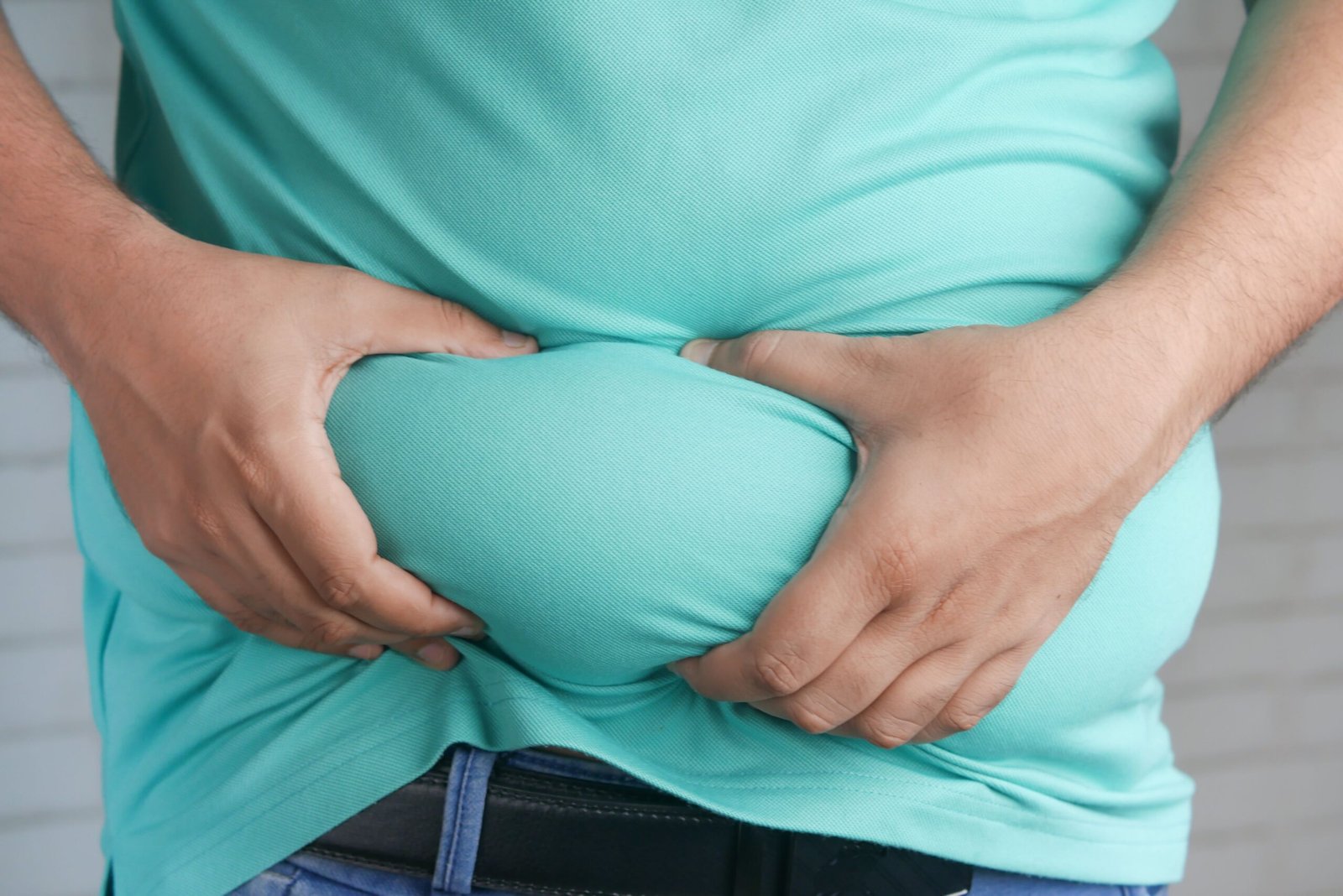
Bloating is a feeling of fullness or pressure in the abdomen; sometimes the belly also looks larger. Occasional bloating can follow a meal, but repeated or persistent symptoms deserve more attention. The useful first question is what changed: food and drink, bowel movements, medicines, menstrual timing, or a new pain.
Common reasons you may feel bloated
Swallowed air and gas-producing foods
Eating quickly, chewing gum, fizzy drinks, and some foods can increase gas for some people. Bacteria in the large intestine also make gas while breaking down carbohydrates that were not fully digested. The National Institute of Diabetes and Digestive and Kidney Diseases (NIDDK) explains these mechanisms and notes that people vary in how strongly they feel gas symptoms. A food that bothers one person is not automatically bad for everyone.
Constipation or changes in bowel habits
If stools are less frequent, hard, or difficult to pass, constipation may accompany bloating. Record whether the bloating improves after a bowel movement. Persistent symptoms with diarrhea, constipation, or abdominal pain can also occur with digestive conditions that need assessment. Do not assume that every episode is “just gas.”
Food intolerance or sensitivity
Some people notice symptoms after dairy or other specific foods. One episode does not prove an intolerance. Keep a brief record of the food, portion, timing, symptoms, and bowel pattern before eliminating whole food groups. A clinician or registered dietitian can help interpret a persistent pattern and avoid an unnecessarily restrictive diet.
What you can try for occasional bloating
- Slow the pace of a meal. Eat without rushing and notice whether fizzy drinks or chewing gum contribute to symptoms.
- Look for a repeatable pattern. Keep a short symptom diary for a week or two, including bowel movements and any new medicines. One isolated meal is weak evidence.
- Address constipation. Ask a clinician or pharmacist for advice if bowel movements are difficult or infrequent, especially if the problem is new or persistent.
- Stay active within your comfort level. A gentle walk after eating may feel better than lying down immediately. Do not push through severe pain.
These steps are for mild, occasional symptoms. NIDDK’s overview of gas in the digestive tract describes diet and habit changes that a clinician may suggest; medicines or supplements depend on the cause. Avoid assuming a supplement, “detox,” or blanket elimination diet will fix unexplained bloating.
When to seek medical advice
Make an appointment if bloating happens often, is very uncomfortable, does not go away, or comes with a change in bowel habits. Seek prompt assessment if you have unintentional weight loss or blood in your stool. The NHS bloating guidance lists these as reasons to contact a clinician. Sudden severe abdominal pain, vomiting blood, or severe difficulty breathing requires urgent medical help. If you cannot pass stool or gas and have marked pain or swelling, seek urgent assessment rather than trying home treatments.
Useful details for an appointment: when symptoms started, whether the abdomen is visibly swollen, pain location, bowel changes, weight change, medicines, and a short food diary. Bloating has several possible causes; an examination is the way to decide whether tests or treatment are needed.
This general guide cannot diagnose your symptoms and has not been reviewed by a clinician for your individual situation.