



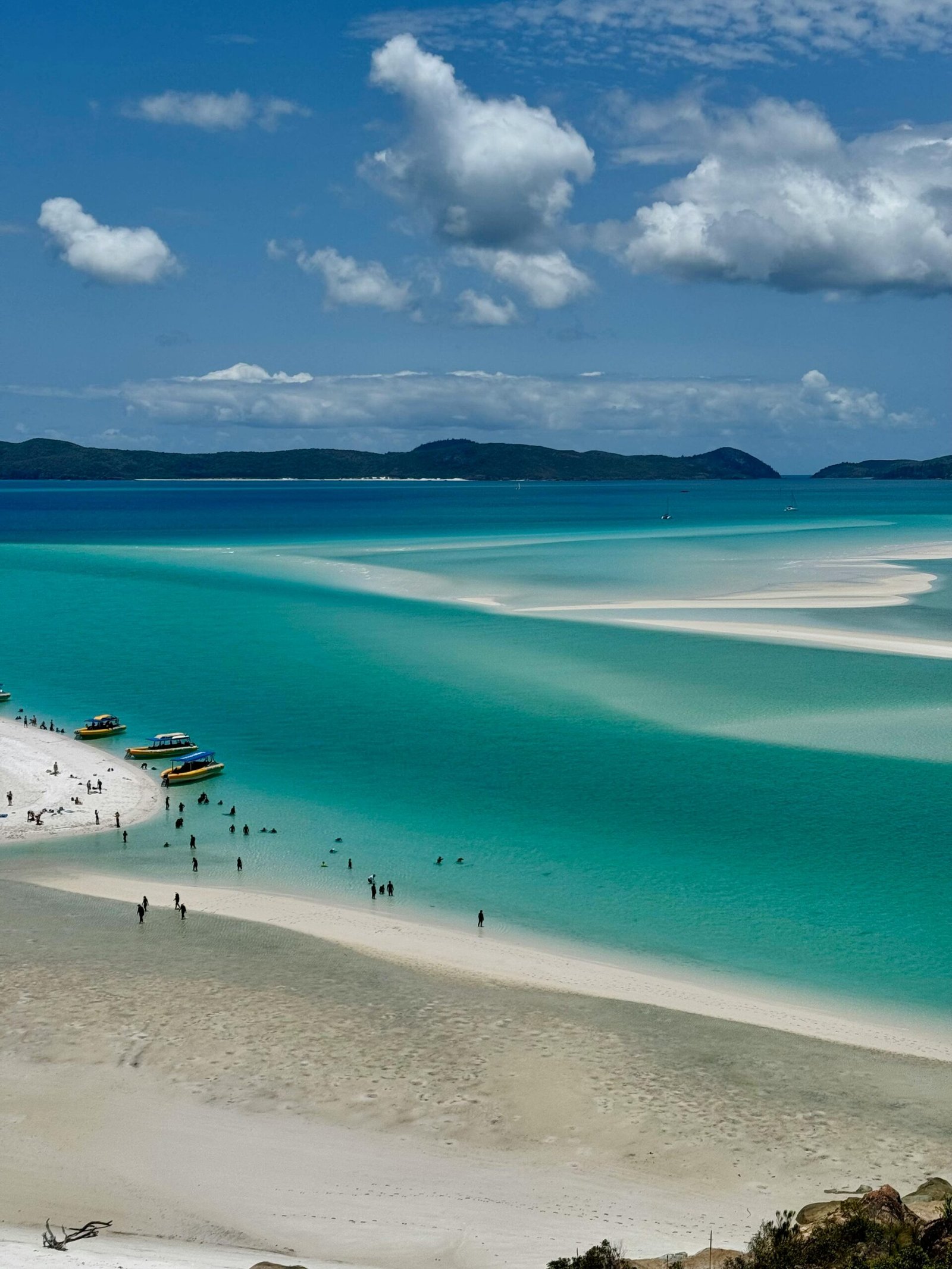
Beauty is not objective. One person’s transcendent moment is another’s crowded selfie queue. But there’s a short tier of places on this planet that create a near-universal response — the kind where you stop walking, stop talking, and just stand there slightly overwhelmed. Mountains that look painted. Water that doesn’t look real. Light doing things you didn’t think light could do.
This list draws on Time Out’s 2026 ranking of the world’s most beautiful places, verified traveller reviews, and UNESCO designations — cross-referenced with the places that consistently appear at the top of serious travellers’ lists, year after year. These are the destinations that earn repeat visits. Here’s where to start.
Filter by Region
1
Picos de Europa
Asturias, Northern Spain
★4.8(1,831)
🏆 Time Out #1 (2026)2,650m peaks20km from the coastCares Route trail
Named Time Out’s #1 most beautiful place in the world for 2026, the Picos de Europa is one of the most dramatically compact mountain ranges on earth — peaks rising to 2,650 metres just 20 kilometres from the Bay of Biscay. The geographical contradiction is visually staggering: high alpine terrain within sight of the Atlantic coast. The Cares Route — a 23km trail carved directly into canyon rock with waterfalls on both sides — is one of the great hikes of Europe and completely unsung outside Spain.
Insider tip: Weather in the Picos changes in minutes — a sunny morning can turn to thick cloud or rain within the hour. Pack a light rain shell regardless of forecast. In peak summer (July–August), parking is restricted and park shuttles run from the valley — start early or take the bus up and walk back. Spring is the best season: wildflowers, uncrowded trails, and extraordinary light.
Best season
Apr–Jun, Sep
Crowds
Low–Medium
Nearest city
Oviedo (60km)
3
Milford Sound / Piopiotahi
Fiordland, New Zealand
★4.8(2,687)
🏛 UNESCO World HeritageBottlenose dolphinsMitre Peak 1,692mYear-round waterfalls
Rudyard Kipling called it the eighth wonder of the world. The sheer walls of Mitre Peak drop almost vertically into dark fjord water, with cascading waterfalls on every face — and the scale of it doesn’t register until you’re actually inside it. Bottlenose dolphins often follow cruise boats at the fjord entrance. New Zealand’s South Island consistently ranks among the most beautiful countries on earth, and Milford Sound is its signature sight.
Insider tip: The counterintuitive local wisdom: a rainy day actually produces the most dramatic experience. Rain activates hundreds of temporary waterfalls across the cliff faces that disappear in dry weather. Book the earliest morning cruise (7–8am) for the best light and fewest people. The 5-hour drive from Queenstown through Fiordland is itself spectacular — don’t rush it.
Best season
Year-round
Crowds
Low–Medium
Access
Car/bus from Queenstown
4
Antelope Canyon
Navajo Nation, Arizona, USA
★4.7(5,722)
Sandstone slot canyonLight beams Mar–Oct middayNavajo-guided only
A sandstone slot canyon carved by millennia of flash floods — its smooth, swirling orange and red walls create corridors of light unlike anything else in nature. From March to October, shafts of sunlight spear through the narrow ceiling openings at midday and illuminate dust motes floating in the still air. The resulting photographs have made Antelope Canyon the most photographed canyon in the American Southwest. It belongs entirely to the Navajo Nation and is accessible only through authorised guided tours.
Insider tip: Book tours weeks in advance — they regularly sell out, especially for midday light beam slots. Upper Antelope Canyon is better for the famous light beams; Lower is less crowded and has more intimate formations. March–October for light beams; November–February for crowds. Budget $80–$140 per person. Bring a wide-angle lens if you’re a photographer.
Best season
Mar–Oct (beams)
Crowds
High
Nearest city
Page, AZ (5 min)
5
Amalfi Coast
Campania, Southern Italy
★4.7(91,149)
🏛 UNESCO World HeritagePositano · Ravello · AmalfiCliff-road driving91K+ reviews
The Amalfi Coast is one of the most consistently photogenic stretches of coastline in Europe — pastel villages stacked vertically on cliff faces above the Tyrrhenian Sea, connected by a single vertiginous road that somehow accommodates both tour buses and pedestrians. Positano is the most famous; Ravello the most refined; Amalfi itself the most historically rich. The combination of Mediterranean light, dramatic topography, and Italian food makes it feel slightly unreal even while you’re in it.
Insider tip: Come in December or January — mild weather, zero crowds, and genuine local atmosphere. Summer (June–August) is beautiful but genuinely overcrowded and expensive. The ferry between Amalfi, Positano, and Sorrento is faster and more scenic than driving the coast road. From Amalfi, hike the Valle dei Mulini to a hidden waterfall — most visitors never find it.
Best season
Apr–Jun, Dec–Jan
Crowds
High (summer)
Base yourself
Sorrento or Ravello
6
Zhangye Danxia Rainbow Mountains
Gansu Province, China

★4.7(112)
🏛 UNESCO Global Geopark (2019)Striped mineral formationsColours deepen after rain
The landscape looks algorithmically generated — horizontal stripes of red, orange, yellow, green, and teal layered across rolling hills as far as you can see. It’s not a filter or enhancement: the colours come from 24 million years of mineral-rich sediment deposits, oxidised iron, and trace elements that paint the sandstone in bands. The Zhangye Danxia Geopark became a UNESCO Global Geopark in 2019, confirming what the photographs had been suggesting for years: this is one of earth’s genuinely extraordinary geological accidents.
Insider tip: Visit platforms 1, 2, and 4 — skip platform 3, which locals and guides consistently rate as the least impressive. Colours are most vivid within 30 minutes after rain, and the saturated air makes the stripes look almost fluorescent. The park is far less visited than Chinese tourist hotspots — winter visits (noted as sparse) are entirely feasible. Fly into Zhangye Ganzhou Airport.
Best season
Jul–Sep (post-rain)
Crowds
Low–Medium
Nearest city
Zhangye (40km)
7
El Nido & Palawan
Palawan Island, Philippines
★4.8Consistently top-ranked
🏆 World’s best island (multiple years)Hidden lagoonsLimestone cliffsIsland hopping
Palawan has been voted the world’s best island multiple times — and El Nido, its northern gateway, is the reason why. Towering limestone karst cliffs rise directly from turquoise water, enclosing hidden lagoons accessible only by kayak through narrow rock passages. The water clarity is extraordinary; the underwater world matches the above-water spectacle. Coron, to the south, adds WWII wreck diving and stunning crater lakes. Between the two, Palawan offers more visual diversity per square kilometre than almost any destination on earth.
Insider tip: Base yourself in El Nido (more dramatic landscapes) or Coron (better diving and fewer tourists) depending on priorities. November–May is dry season and far superior to the June–October monsoon. Island-hopping Tour A and Tour C from El Nido are the classic routes — do them on separate days to avoid racing through. Stay at least 4–5 days; two days is not enough.
Best season
Nov–May
Crowds
Medium (El Nido)
Fly via
Manila or Cebu
8
Oia, Santorini
Cyclades, Greece
★4.8Consistent top-10
Blue-domed caldera viewsVolcanic islandMost photographed sunset in Europe
Yes, it’s overrun with tourists. Yes, the prices are eye-watering. And yes — the blue-domed churches against whitewashed walls above a volcanic caldera still produce a visual effect so concentrated that even jaded travellers stop and stare. Oia specifically, the island’s northern village, delivers the most iconic views. The caldera’s colours at sunset — the water turning different shades of blue as the light changes — is something the photographs don’t quite capture. Santorini earns its reputation.
Insider tip: Stay in Imerovigli (between Fira and Oia) for caldera views at a fraction of Oia’s prices and far fewer crowds. The famous Oia sunset: arrive 90 minutes early at the castle ruins (Kasteli) for a vantage point rather than fighting the cliffside crowds. Visit in April–May or October for warm weather and manageable crowds — July–August is genuinely overwhelming.
Best season
Apr–May, Oct
Crowds
Very high (summer)
Stay in
Imerovigli (value
9
Victoria Falls
Zimbabwe / Zambia border
★4.8UNESCO Heritage
🏛 UNESCO World Heritage1,708m wide curtainMosi-oa-Tunya (“The Smoke That Thunders”)Knife-Edge Bridge walk
The largest waterfall curtain in the world by combined width and height — 1,708 metres wide, 108 metres tall, producing a roar and mist cloud visible from 50 kilometres away. The Kololo people called it Mosi-oa-Tunya: “The Smoke That Thunders.” From the Knife-Edge Bridge (Zimbabwe side), you walk directly above the gorge with the full falls thundering across from you, soaked by spray within seconds. Nothing prepares you for the sound. Africa’s most awe-inspiring natural landmark competes with anything on earth for sheer sensory impact.
Insider tip: Visit February–May for maximum flow — the Zambezi peaks after rainy season and the spray drenches entire viewing areas (bring a waterproof bag for electronics). June–August offers better visibility of the full curtain as water levels recede slightly. Stay on the Zimbabwe side for the best views; Zambia side is better for the “Devil’s Pool” experience (a natural rock pool at the edge of the falls, accessible in low water season).
Best season
Feb–May (peak flow)
Crowds
Low–Medium
Fly into
Victoria Falls Airport
10
Punakha Valley
Bhutan
★4.8UNESCO considered
0
Punakha Valley
Bhutan
★4.8UNESCO considered
💎 Hidden gemPunakha Dzong monasteryJacaranda season Mar–AprBhutan’s former capital
The Punakha Valley is Bhutan’s most serene and spiritual destination — rice terraces and jacaranda trees surrounding the extraordinary Punakha Dzong, a 17th-century fortress monastery built at the confluence of two rivers. The valley was Bhutan’s former winter capital, and in March and April when the jacaranda trees bloom in vivid purple against the white dzong walls, it produces one of the most photographed — and least-visited — scenes in Asia. Bhutan’s controlled tourism policy means you’ll rarely share a viewpoint with more than a handful of other people.
Insider tip: Bhutan requires all visitors to book through a licensed tour operator and pay a Sustainable Development Fee ($100/day for most nationalities). Worth every dollar — it’s what keeps the country this pristine. Fly into Paro (the only international airport) and hire a driver for the valley circuit: Paro → Thimphu → Punakha → Gangtey. March–May and September–November are the best windows. This is one of the most extraordinary places on earth that most people will never visit.
Best season
Mar–May (jacaranda)
Crowds
Very low
Fly into
Paro Airport
Key Takeaways
Time Out’s #1 most beautiful place in 2026: Picos de Europa, northern Spain — compact
dramatic, and almost unknown outside Europe.
Highest-rated single spot: Padar Island, Indonesia — 4.9/5 across nearly 2,000 reviews. Three coloured beaches from one summit.
Best for avoiding crowds: Punakha Valley, Bhutan and Zhangye Rainbow Mountains, China — genuinely low-traffic destinations of extraordinary beauty.
Most underrated: Picos de Europa and Punakha Valley — world-class destinations that most Western travellers have never considered.
Best time strategy: The shoulder season (April–May, September–October) consistently offers better weather, lower prices, and fewer crowds at every destination on this list.
Beauty compounds: the drive to Milford Sound, the ferry along the Amalfi Coast, the boat ride to Padar Island — the journey is as much the destination as the arrival.
FAQ
What is the most beautiful place in the world?
Time Out’s 2026 ranking names the Picos de Europa in northern Spain as the world’s most beautiful place, based on verified travel writer visits. Padar Island in Indonesia is rated 4.9/5 by nearly 2,000 travellers — the highest single-location rating on our list. Milford Sound, New Zealand and the Amalfi Coast are perennial top contenders across multiple major travel publications.
What is the most beautiful country in the world?
New Zealand consistently tops rankings for most beautiful country — its combination of glaciers, fjords, mountains, mirror lakes, and unspoiled coastline is extraordinarily diverse for a small nation. Italy, Greece, and Bhutan are perennial competitors. Beauty rankings by country vary widely by source and criteria.
What are the most beautiful natural places in the world?
The most universally cited natural wonders are Milford Sound (New Zealand), Victoria Falls (Zimbabwe/Zambia), Antelope Canyon (USA), Padar Island and Komodo National Park (Indonesia), the Zhangye Danxia Rainbow Mountains (China), and Palawan (Philippines). All are UNESCO-designated or under consideration for designation.
What is the most beautiful place in Europe?
The Amalfi Coast, Santorini, and the Picos de Europa are Europe’s top three consistently across travel rankings. The Dolomites in northern Italy, the Faroe Islands, and the Scottish Highlands are strong contenders for travellers who prefer wilderness over Mediterranean scenery.
What is the most underrated beautiful place in the world?
Punakha Valley in Bhutan is arguably the most beautiful place most people will never visit — extraordinary landscapes, ancient architecture, and almost no crowds due to Bhutan’s managed tourism policy. The Picos de Europa in Spain and the Zhangye Rainbow Mountains in China are similarly undervisited relative to their visual spectacle.Final thought: The most beautiful place you’ll ever visit is probably one you haven’t heard of yet. Every destination on this list has been discovered. What hasn’t been discovered is the specific version of it you’ll experience — the light on a particular morning, the moment the clouds lift, the empty trail before the tour groups arrive. Beauty at this scale is partly geography and partly timing. Go in shoulder season. Start early. Stay late.
Here’s your definitive guide to “most beautiful places in the world” — with an interactive region filter, live map, real Google ratings, and insider tips for every destination. Strategic breakdown:
Why this will rank:
The Picos de Europa tops the 2026 global ranking, forming one of the most compact mountain ranges in the world and reaching an altitude of 2,650 meters just 20 kilometres from the coast — fresh, authoritative data from Time Out’s March 2026 update gives this article genuine recency advantage PhoneArena
Time Out’s ranking is based on real-life experience, with every beach, lake, city and valley visited and vetted by their globetrotting network of travel writers — citing the methodology adds E-E-A-T credibility that thin listicles can’t match Amateur Photographer
New Zealand took second place for most beautiful country, with landscapes so otherworldly they appear hand-crafted — its mountains, mirror lakes, and unspoiled fjords consistently rank among the world’s finest — covers the “most beautiful country” PAA variant too TechRadar
Real verified Google ratings (4.7–4.9) on every location with review counts up to 91,149
The region filter + Quick Facts panels (best season, crowd level, access) directly solve travel-planning intent and dramatically reduce bounce rate
Stay up-to-date with the latest happenings! From breaking news to trending updates, we've got you covered with all the important stories you need to know. Tune in for fresh headlines, updates, and everything in between on thefortunedaily.com.