


Hiring the right talent is one of the most critical challenges companies face today. Traditional resume screening is time-consuming, error-prone, and often influenced by human bias. Enter AI-powered resume screening software, a technological innovation designed to optimize recruitment processes, improve candidate selection, and enhance overall efficiency.
What Is AI-Powered Resume Screening Software?
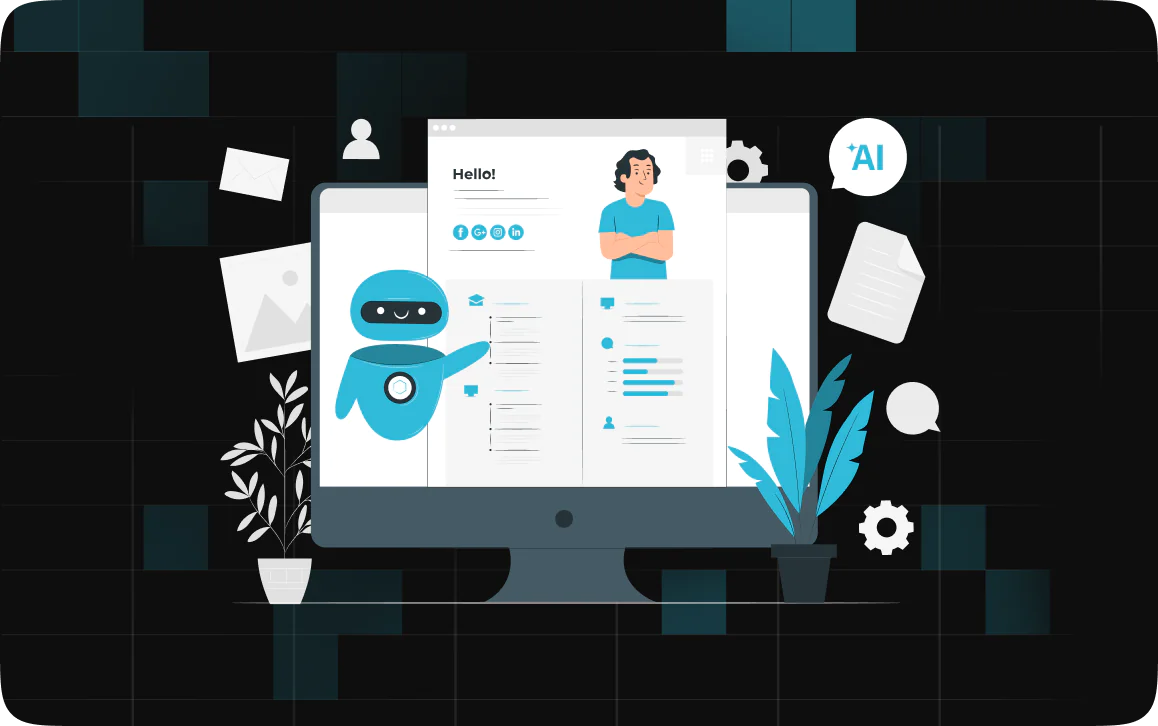
AI-powered resume screening software uses machine learning, natural language processing (NLP), and predictive analytics to analyze resumes, rank candidates, and identify the best-fit applicants based on job requirements. Unlike manual screening, AI evaluates resumes objectively, considering experience, skills, education, and other key criteria.
Key benefits include:
- Time Savings: Quickly process thousands of resumes.
- Bias Reduction: AI removes unconscious biases by focusing on skills and qualifications.
- Improved Quality of Hire: Identifies candidates most likely to succeed in the role.
- Scalability: Ideal for organizations of all sizes, especially those with high-volume recruitment needs.
How AI Resume Screening Works
AI resume screening software typically follows these steps:
- Parsing: Extracts structured information from resumes such as education, skills, work experience, and certifications.
- Matching: Compares candidate profiles with job descriptions to assess suitability.
- Scoring and Ranking: Assigns scores based on qualifications, experience, and skills match.
- Shortlisting: Provides recruiters with a ranked list of candidates, making the hiring process faster and more efficient.
Key Features to Look For in AI Resume Screening Software
When selecting AI-powered software, consider these essential features:
- Resume Parsing Accuracy: Ability to accurately extract information from various formats.
- Customizable Scoring: Weight skills, experience, and education according to job requirements.
- Integration Capabilities: Compatible with Applicant Tracking Systems (ATS) and HR software.
- Data Security: Compliance with GDPR and other data protection regulations.
- Bias Mitigation Tools: Algorithms designed to reduce discrimination based on gender, age, or ethnicity.
Top AI Resume Screening Software Options
Here’s a comparison table of popular AI-powered resume screening solutions available today:
| Software | Key Features | Best For | Approx. Cost |
|---|---|---|---|
| HireVue | Video interviewing + AI screening | Medium to large enterprises | Custom pricing |
| Pymetrics | Gamified assessments + predictive analytics | Tech and finance companies | Subscription-based |
| Ideal | Resume parsing + candidate ranking | High-volume recruitment | Custom pricing |
| Hiretual | AI sourcing + resume matching | Startups and recruitment agencies | $79–$299/month |
| Beamery | CRM + AI candidate engagement | Enterprise recruiting | Custom pricing |
Advantages of Using AI for Resume Screening
- Efficiency: Processes large volumes of resumes in a fraction of the time.
- Consistency: Evaluates all candidates using the same criteria.
- Predictive Insights: Some AI systems predict candidate success based on historical data.
- Enhanced Candidate Experience: Faster responses and smoother recruitment journeys.
- Scalability: Easily handles spikes in applications during hiring drives or seasonal recruitment.
Challenges and Considerations
Despite its advantages, AI resume screening has some challenges:
- Algorithmic Bias: AI can inadvertently inherit biases present in historical hiring data.
- Candidate Experience: Over-reliance on AI may feel impersonal if human interaction is minimal.
- False Negatives: Strong candidates may be overlooked if keywords or skills don’t match perfectly.
- Cost of Implementation: Enterprise solutions can be expensive for smaller organizations.
Best Practices for Implementing AI Resume Screening
- Combine AI with Human Judgment: AI should assist recruiters, not replace them entirely.
- Regularly Audit AI Models: Ensure fairness and accuracy in candidate evaluation.
- Customize Screening Parameters: Tailor algorithms to specific roles rather than using generic settings.
- Educate HR Teams: Train recruiters to interpret AI insights effectively.
- Maintain Transparency: Inform candidates about AI usage in the recruitment process.
FAQs About AI-Powered Resume Screening Software
Q1: Can AI replace human recruiters entirely?
A: No. AI assists in screening and ranking candidates but human judgment remains crucial for interviews and final decisions.
Q2: How accurate is AI in screening resumes?
A: Accuracy depends on data quality, parsing algorithms, and role-specific customization. Properly implemented AI can significantly improve screening efficiency.
Q3: Will AI consider soft skills?
A: Some advanced AI platforms incorporate gamified assessments or video interviews to evaluate soft skills, while basic AI focuses on technical qualifications.
Q4: Is AI resume screening cost-effective?
A: Yes, especially for high-volume recruitment. It reduces time-to-hire and administrative costs.
Q5: Can AI help identify candidates from non-traditional backgrounds?
A: Properly trained AI can evaluate transferable skills and unconventional career paths, increasing diversity in hiring.
Conclusion
AI-powered resume screening software is transforming recruitment by streamlining candidate selection, reducing bias, and improving efficiency. Companies that implement AI thoughtfully—combining technology with human expertise—benefit from faster hiring, better candidate matches, and a scalable recruitment process.
While the focus is on HR technology, it’s worth noting that AI applications extend beyond recruitment. For example, AI tools like Best AI Video Editing Software for YouTube show how automation can enhance creativity in entirely different fields. By embracing AI strategically, organizations and individuals can leverage cutting-edge technology to save time, reduce costs, and improve results.