


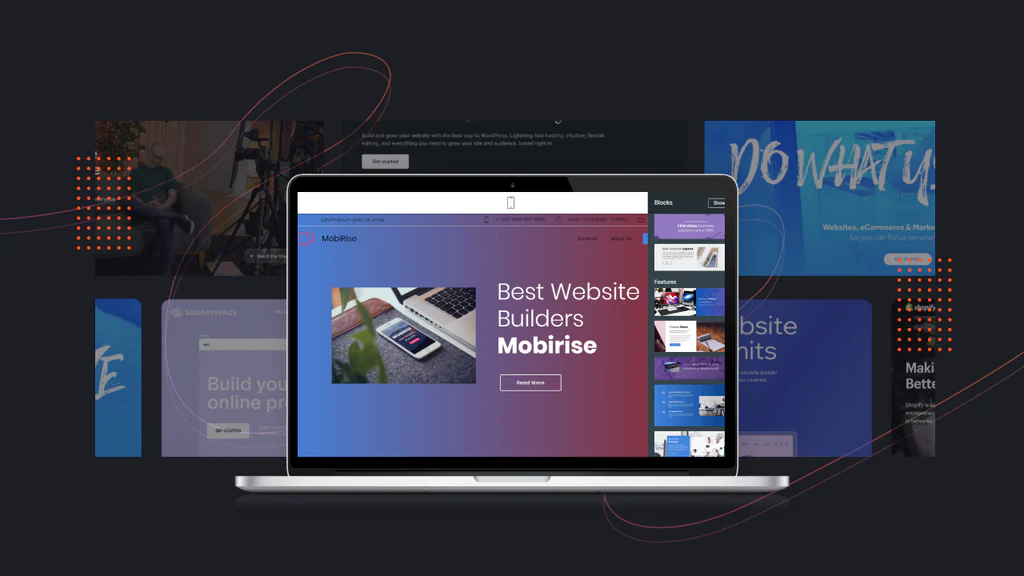
Building a professional website is essential for tech entrepreneurs who want to showcase products, communicate value, and convert visitors into customers. Whether you’re launching a startup, SaaS platform, or personal tech brand, choosing the right website builder can save time, reduce costs, and help you scale online quickly. In this guide, we’ll explore the best website builders for tech entrepreneurs, what features matter most, and how to select the right platform for your goals.
Why Tech Entrepreneurs Need the Right Website Builder
Tech entrepreneurs often juggle development, growth, marketing, and product management. A good website builder can:
-
Speed up launch time
-
Reduce development costs
-
Provide built‑in scalability
-
Include advanced integrations
-
Offer SEO optimization tools
-
Enable e‑commerce or subscription features
The right platform empowers you to focus on innovation rather than coding and maintenance.
Top Website Builders for Tech Entrepreneurs
| Website Builder | Best For | Key Features |
|---|---|---|
| Webflow | Custom, professional tech sites | Visual design + advanced CSS control |
| WordPress.com / WordPress.org | Flexible and scalable sites | Thousands of plugins, full customization |
| Wix | Quick, easy setup with design flexibility | Drag‑and‑drop builder; many apps |
| Squarespace | Sleek, design‑focused websites | Beautiful templates + strong UX |
| Shopify | E‑commerce and product sales | Built‑in sales tools & payment systems |
| Ghost | Memberships & subscription content | Lightweight, performance‑focused |
| Bubble | No‑code web apps & interactive platforms | Logic/DB workflows without code |
| Builder.io | Headless, component‑driven websites | Flexible dev integrations |
| Duda | Client‑friendly site builder | Team workflows & white‑labeling |
| Shopline | Tech product landing pages & stores | Great for global e‑commerce |
Best Website Builders Explained
Webflow
Webflow is ideal for tech founders who want powerful visual design control without writing CSS by hand. It combines the flexibility of code with drag‑and‑drop simplicity. Developers appreciate Webflow’s clean exportable code, while designers leverage advanced animations and interactions. It’s excellent for product landing pages, SaaS sites, and portfolios.
Best for: Custom, high‑performance tech websites without heavy coding.
WordPress (Hosted & Self‑Hosted)
WordPress is one of the most flexible platforms available:
-
WordPress.com (hosted) – Easy to manage with built‑in hosting.
-
WordPress.org (self‑hosted) – Complete control, thousands of plugins.
WordPress works well for blogs, landing pages, e‑commerce, and community platforms. With SEO plugins and extensive integrations, it’s a favorite for tech startups with evolving needs.
Best for: Scalable sites with maximum flexibility and control.
Wix
Wix is a beginner‑friendly website builder that uses a drag‑and‑drop interface. It’s suitable for tech entrepreneurs who want to launch quickly with minimal development skills. Wix offers many apps and templates, though it’s best for smaller sites rather than complex web apps.
Best for: Quick site launches with easy visual editing.
Squarespace
Squarespace is known for its beautiful, designer‑focused templates and intuitive interface. It’s perfect for showcasing tech products, portfolios, and brand messaging. It may have fewer third‑party integrations than WordPress or Webflow but excels in aesthetics and user experience.
Best for: Design‑focused tech entrepreneurs who prioritize presentation.
Shopify
If your tech business involves selling products—whether hardware, software licenses, or digital downloads—Shopify is one of the best builders for e‑commerce. It includes built‑in payment processing, inventory management, and marketing tools. Add‑ons extend functionality for subscriptions, digital products, and mobile apps.
Best for: E‑commerce and subscription businesses.
Ghost
Ghost is a modern, lightweight platform ideal for content‑driven tech entrepreneurs. It’s frequently used for blogs, newsletters, and membership subscriptions. With fast performance and integrated email features, Ghost helps build audience engagement and recurring revenue.
Best for: Membership sites and content‑centric tech brands.
Bubble
Bubble is a no‑code development platform for web applications. Unlike traditional website builders, Bubble lets you build interactive apps, dashboards, marketplaces, and platforms without writing backend code. It’s perfect for founders testing product prototypes or launching full‑scale SaaS offerings.
Best for: No‑code web apps and MVPs.
Builder.io
Builder.io is designed for teams who want component‑based site building with headless architecture. It integrates with popular frontends, CMSs, and e‑commerce systems while allowing developers to define components that editors can reuse visually.
Best for: Headless websites and component‑driven workflows.
Duda
Duda targets agencies and businesses needing white‑label capabilities, team collaboration, and professional workflows. It’s fast, easy to use, and suitable for product landing pages or client sites.
Best for: Agency workflows and collaborative design.
How to Choose the Right Website Builder
When picking a platform, consider:
-
Purpose: Is it a landing page, full site, e‑commerce store, or web app?
-
Skill Level: Do you have coding experience or prefer no‑code?
-
Scalability: Will your site need advanced features as you grow?
-
Design Needs: Prioritize visual freedom or templated simplicity?
-
Budget: Free plans exist, but advanced features often require paid tiers.
A simple decision matrix:
| Goal | Best Choice |
|---|---|
| Professional custom design | Webflow |
| Maximum flexibility | WordPress |
| Fast & easy launch | Wix |
| Beautiful templates | Squarespace |
| Selling products | Shopify |
| Content & subscriptions | Ghost |
| No‑code apps | Bubble |
FAQs: Best Website Builders for Tech Entrepreneurs
Q: Can a beginner use Webflow?
A: Yes. Webflow has a gentle learning curve for designers but offers powerful capabilities once mastered. It’s more flexible than basic builders but still visual.
Q: Is WordPress hard to use for non‑developers?
A: Hosted WordPress (WordPress.com) is beginner‑friendly. Self‑hosted WordPress may require some learning but offers unmatched customization.
Q: Should tech startups use no‑code tools?
A: No‑code tools like Bubble or Webflow help launch MVPs or prototypes quickly without full development costs.
Q: Which builder is best for e‑commerce tech products?
A: Shopify is widely regarded for product sales, subscriptions, and digital goods.
Q: Can I switch builders later?
A: Yes, but migrating content and design can take effort. Choose a platform that aligns with long‑term goals to minimize rework.
Conclusion
Choosing the best website builder for tech entrepreneurs depends on your goals, technical skills, and the type of online presence you want to create. Platforms like Webflow, WordPress, Wix, Squarespace, Shopify, Ghost, Bubble, Builder.io, and Duda offer diverse features to support startups, apps, portfolios, and e‑commerce.
By prioritizing usability, scalability, and the features that matter for your product or brand, you can build a strong online presence that attracts users, showcases your tech, and supports growth.