

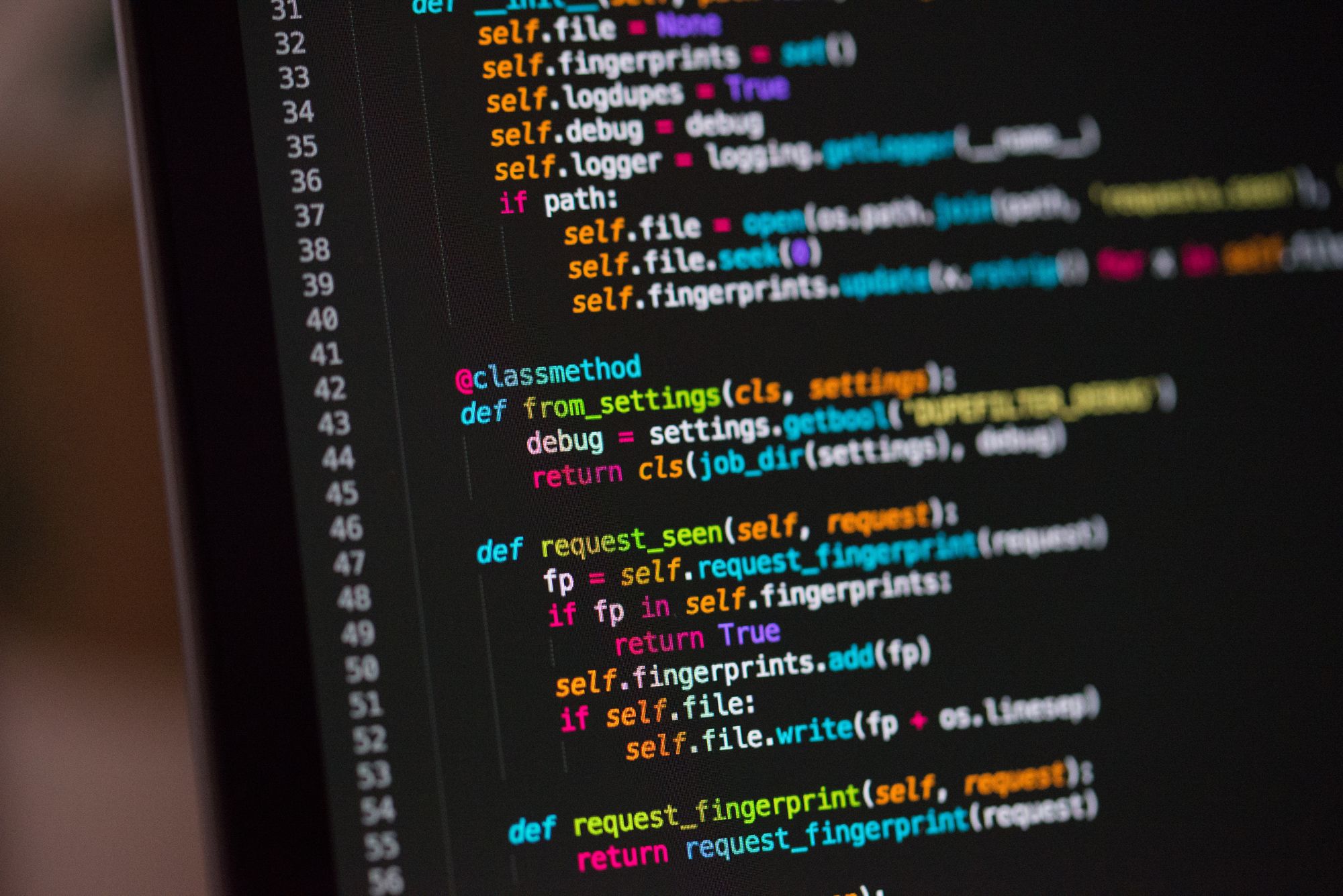
Python has become one of the most popular programming languages due to its simplicity, versatility, and widespread applications in web development, data analysis, artificial intelligence, and automation. For beginners, learning Python at home is entirely feasible with the right resources, structured approach, and consistent practice.
This guide will provide a beginner-friendly roadmap for learning Python programming, essential tools, and practical strategies to accelerate your skills from zero to functional coding ability.
Why Learn Python at Home
Learning Python from home offers several advantages:
-
Flexibility: Learn at your own pace, according to your schedule.
-
Cost-Effective: Many free or affordable online resources are available.
-
Practical Application: Immediately apply Python to projects like automation, data analysis, and web scraping.
-
Foundation for Advanced Skills: Python is widely used in AI, machine learning, and software development.
-
Portfolio Building: Small projects can demonstrate your skills to potential employers.
With consistent practice and structured learning, beginners can gain a solid foundation in Python without attending formal classes.
Step 1: Set Up Your Python Environment
-
Download and install Python from the official website.
-
Use an integrated development environment (IDE) like PyCharm, VS Code, or Jupyter Notebook.
-
For practice on tablets or mobile devices, note that some devices optimized for writing and drawing, like the Best Tablets for Note Taking and Drawing, can also run lightweight Python coding apps for practice on the go.
-
Verify your installation by running
python --versionin the command prompt or terminal.
Setting up your environment correctly ensures a smooth learning experience and prevents technical frustration.
Step 2: Learn Python Basics
Focus on foundational concepts first:
-
Variables and Data Types: Strings, integers, floats, booleans.
-
Operators: Arithmetic, logical, and comparison operators.
-
Control Structures: If statements, loops (for, while).
-
Functions: Defining, calling, and returning values.
-
Lists and Dictionaries: Store and manipulate data efficiently.
Begin with simple exercises, like creating a calculator or a to-do list app, to reinforce these basics.
Step 3: Practice Regularly
-
Dedicate 30–60 minutes daily to coding.
-
Work on small, practical projects:
-
Build a simple quiz game.
-
Automate repetitive tasks on your computer.
-
Create a basic text-based calculator.
-
-
Use platforms like LeetCode, HackerRank, and Codewars for structured exercises.
Consistency is more important than long sessions—daily practice builds coding habits and confidence.
Step 4: Explore Python Libraries
Python’s strength lies in its libraries, which make complex tasks easier:
-
Data Analysis:
pandas,numpy -
Visualization:
matplotlib,seaborn -
Web Development:
Flask,Django -
Automation:
selenium,pyautogui -
Machine Learning:
scikit-learn,tensorflow
Start with one domain and gradually explore additional libraries as your skills grow.
Step 5: Work on Projects
Building projects is key to applying Python skills:
-
Beginner Projects:
-
Personal expense tracker
-
Quiz or flashcard app
-
Text-based adventure game
-
-
Intermediate Projects:
-
Web scraping scripts
-
Data analysis of public datasets
-
Simple web apps using Flask or Django
-
-
Advanced Projects:
-
Machine learning models
-
Automation bots
-
Full-stack web applications
-
Projects help consolidate knowledge and build a portfolio that demonstrates practical ability.
Step 6: Join Online Communities
-
Participate in Python forums like Reddit r/learnpython, Stack Overflow, or Python Discord.
-
Attend virtual meetups, webinars, or hackathons.
-
Engage in peer code reviews for feedback and collaboration.
Community engagement provides support, motivation, and exposure to diverse coding approaches.
Step 7: Practice Debugging and Problem Solving
-
Read error messages carefully and understand what went wrong.
-
Use debugging tools in your IDE.
-
Break complex problems into smaller, manageable parts.
Problem-solving skills are crucial for Python programming and software development in general.
Comparison Table: Learning Tools and Resources
| Resource Type | Examples | Purpose |
|---|---|---|
| IDE | VS Code, PyCharm, Jupyter Notebook | Writing and testing code |
| Online Courses | Coursera, Udemy, freeCodeCamp | Structured learning |
| Practice Platforms | HackerRank, LeetCode, Codewars | Exercises and coding challenges |
| Books | “Automate the Boring Stuff with Python”, “Python Crash Course” | Reference and guided learning |
| Community | Reddit r/learnpython, Python Discord | Support, Q&A, networking |
Frequently Asked Questions (FAQs)
Q: How long will it take to learn Python?
With consistent daily practice, beginners can learn basic concepts in 6–8 weeks and build functional projects within 3–6 months.
Q: Do I need prior programming experience?
No, Python is beginner-friendly and widely recommended as the first programming language.
Q: Can I learn Python on a tablet?
Yes, lightweight IDEs and coding apps allow basic Python practice, though a laptop or desktop is ideal for larger projects.
Q: Should I focus on one domain (web, data, AI) first?
Yes, specializing initially helps consolidate knowledge and makes learning more structured.
Q: How can I stay motivated while learning at home?
Set small, achievable goals, track progress, and apply your knowledge to real-life projects.
Final Thoughts
Learning Python programming at home is entirely achievable with discipline, structured learning, and consistent practice. By setting up your environment, mastering fundamentals, exploring libraries, and building projects, beginners can develop practical skills that open doors to web development, data science, automation, and more.