


As smartphones continue to play a central role in our daily lives, security has become more important than ever. Whether it’s personal data, financial information, or private communications, users want to ensure their devices are well-protected. In 2026, both iOS and Android have significantly advanced their security systems, making them more robust and user-focused.
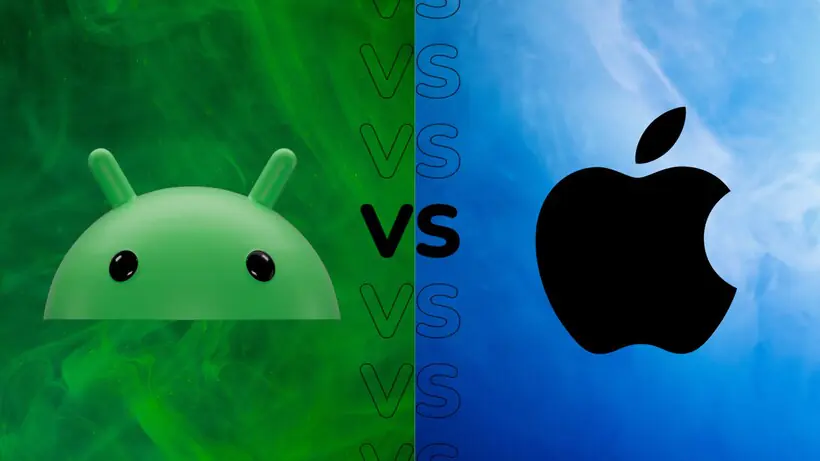
This article provides a detailed comparison of iOS vs Android security features to help you understand which platform offers better protection and why.
Overview of iOS and Android Security
Apple’s iOS is known for its closed ecosystem, where hardware and software are tightly controlled. This allows for consistent security updates and strict app policies.
Android, on the other hand, offers an open ecosystem, providing flexibility and customization. While this openness can introduce risks, modern Android versions have significantly improved their security architecture.
Key Security Features Comparison
1. Operating System Control
iOS:
- Fully controlled by Apple
- Limited device compatibility
- Strict system-level protections
Android:
- Open-source foundation
- Used by multiple manufacturers
- Greater flexibility but varying security standards
Verdict: iOS offers more consistent security due to centralized control.
2. App Store Security
iOS (App Store):
- Strict app review process
- Manual and automated checks
- Lower risk of malicious apps
Android (Google Play Store):
- Advanced Play Protect system
- Faster app publishing
- Slightly higher risk due to openness
Verdict: iOS generally has stricter app screening, but Android has improved significantly.
3. Software Updates
iOS:
- Regular and immediate updates for all supported devices
- Long-term support (often 5+ years)
Android:
- Updates depend on manufacturer
- Google Pixel devices receive faster updates
- Some devices face delays
Verdict: iOS leads in timely and consistent updates.
4. Data Encryption
Both platforms offer strong encryption, but implementation differs.
iOS:
- End-to-end encryption for many services
- Hardware-based encryption (Secure Enclave)
Android:
- Full-disk encryption by default
- Hardware-backed keystore
Verdict: Both platforms provide strong encryption with slight advantages on iOS for integration.
5. Biometric Security
iOS:
- Face ID and Touch ID
- Highly accurate facial recognition
Android:
- Fingerprint sensors (various types)
- Facial recognition (varies by device)
Verdict: iOS offers more consistent biometric reliability, while Android varies by manufacturer.
6. Privacy Controls
iOS:
- App tracking transparency
- Detailed permission controls
- Indicators for camera and microphone usage
Android:
- Improved privacy dashboard
- One-time permissions
- Auto-reset permissions for unused apps
Verdict: Both platforms now offer strong privacy controls, with iOS slightly ahead in transparency.
7. Malware Protection
iOS:
- Limited app sources (App Store only)
- Strong sandboxing
Android:
- Google Play Protect scans apps
- Allows third-party app installations
Verdict: iOS has lower malware risk due to restricted app installations.
Security Features Comparison Table
| Feature | iOS | Android |
|---|---|---|
| OS Control | Fully controlled | Open ecosystem |
| App Security | Strict review | Play Protect system |
| Updates | Fast & consistent | Varies by device |
| Encryption | Hardware-based | Strong default encryption |
| Biometrics | Consistent | Device-dependent |
| Privacy | High transparency | Advanced controls |
| Malware Risk | Low | Moderate |
Advantages of iOS Security
- Consistent updates across devices
- Strong integration between hardware and software
- Lower risk of malware
- Better control over app ecosystem
Advantages of Android Security
- Greater customization options
- Improved security features in recent versions
- More device choices at different price points
- Advanced permission management
Which Is More Secure in 2026?
In 2026, both iOS and Android are highly secure platforms. However:
- iOS is ideal for users who prioritize simplicity and maximum security with minimal effort.
- Android is better for users who want flexibility while still maintaining strong security through proper settings and updates.
Ultimately, security also depends on user behavior, such as avoiding suspicious apps and keeping devices updated.
Role of User Awareness in Security
Even the most secure system can be compromised by poor user practices. To stay safe:
- Avoid downloading apps from unknown sources
- Keep your device updated
- Use strong passwords and biometric locks
- Enable two-factor authentication
Security is a shared responsibility between the system and the user.
Future Trends in Mobile Security
Looking ahead, both platforms are focusing on:
- AI-powered threat detection
- Enhanced biometric authentication
- Improved data privacy regulations
- Secure app development practices
Developers are also prioritizing security when creating apps, especially with the rise of tools like How to Build a Mobile App Without Coding for Beginners, which make app development more accessible while still emphasizing security features.
FAQs
1. Is iOS more secure than Android in 2026?
iOS is generally considered more secure due to its closed ecosystem and consistent updates.
2. Can Android devices be as secure as iPhones?
Yes, especially with proper settings, regular updates, and using trusted apps.
3. Which platform is better for privacy?
Both offer strong privacy features, but iOS has a slight edge in transparency.
4. Are third-party apps safe on Android?
They can be risky if downloaded from untrusted sources. Stick to verified platforms.
5. Do security updates matter?
Yes, they fix vulnerabilities and protect your device from new threats.
6. What is the biggest security risk for smartphones?
User behavior, such as installing unsafe apps or ignoring updates, is the biggest risk.
Final Thoughts
The comparison of iOS vs Android security features in 2026 shows that both platforms have made significant progress in protecting user data. While iOS leads in consistency and control, Android offers flexibility with increasingly strong security measures.