


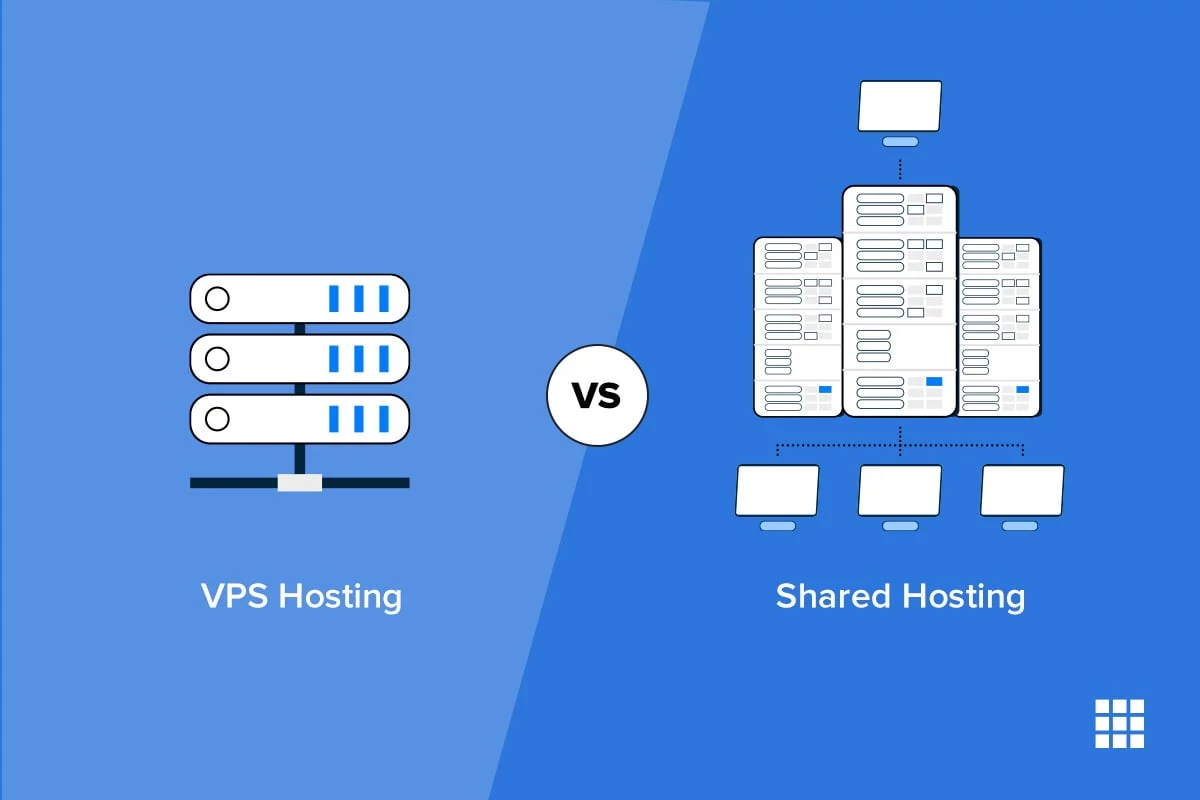
When launching a startup, choosing the right web hosting solution is a critical decision. Your hosting choice affects website performance, security, scalability, and overall user experience. Two of the most common options are shared hosting and VPS (Virtual Private Server) hosting. Understanding their differences helps startups make informed decisions that support growth and minimize technical challenges.
This guide explores the advantages and limitations of VPS hosting and shared hosting, helping startups choose the right hosting solution.
What Is Shared Hosting?
Shared hosting is a type of web hosting where multiple websites share a single server’s resources, including CPU, RAM, and storage. It is the most affordable option and is often recommended for beginners or small websites with low traffic.
Benefits of Shared Hosting
-
Cost-effective: Shared hosting is budget-friendly, making it ideal for startups with limited funds.
-
Ease of use: Hosting providers manage server maintenance, updates, and security.
-
Beginner-friendly: No advanced technical knowledge is required.
Limitations of Shared Hosting
-
Limited resources: Server resources are shared, which can slow down your site if traffic spikes.
-
Limited scalability: Upgrading to handle higher traffic often requires moving to VPS or dedicated hosting.
-
Security risks: Shared servers can be more vulnerable to attacks affecting other sites.
What Is VPS Hosting?
VPS hosting provides a virtualized server environment within a larger physical server. Each VPS has dedicated resources, meaning your website’s performance is isolated from other users on the same server. VPS is suitable for startups with growing websites that need more control, resources, and scalability.
Benefits of VPS Hosting
-
Dedicated resources: CPU, RAM, and storage are allocated specifically to your VPS.
-
Better performance: Faster website load times and improved stability under traffic spikes.
-
Scalability: Easily upgrade resources as your startup grows.
-
Enhanced security: Isolation from other websites reduces risks of cross-site attacks.
-
More control: Root access allows custom software installations and server configurations.
Limitations of VPS Hosting
-
Higher cost: VPS hosting is more expensive than shared hosting.
-
Technical knowledge required: Managing VPS may require some server administration skills, though managed VPS services are available.
-
Maintenance responsibilities: Some VPS plans require users to handle updates, backups, and security.
Key Differences Between VPS and Shared Hosting
| Feature | Shared Hosting | VPS Hosting |
|---|---|---|
| Cost | Low | Moderate to High |
| Server Resources | Shared among multiple users | Dedicated allocation |
| Performance | May slow under traffic spikes | Stable and faster |
| Security | Lower, shared environment | Higher, isolated environment |
| Scalability | Limited | Easy to upgrade resources |
| Technical Knowledge | Minimal | Moderate to advanced (or use managed VPS) |
| Ideal For | Small websites, blogs, startups on a tight budget | Growing startups, e-commerce, high-traffic sites |
Which Hosting Is Best for Startups?
The choice between shared hosting and VPS depends on your startup’s current needs and growth expectations:
Choose Shared Hosting If:
-
Your website is just starting with low traffic
-
You need the most affordable option
-
You prefer minimal technical involvement
Choose VPS Hosting If:
-
You anticipate growing traffic quickly
-
Your website requires more customization or specialized software
-
Security and performance are critical, such as for e-commerce
-
You want scalable hosting that grows with your business
Tips for Startups Choosing Hosting
-
Estimate traffic: Consider current and future traffic when selecting hosting.
-
Check uptime guarantees: Look for at least 99.9% uptime.
-
Consider managed options: Managed VPS reduces technical burden.
-
Look for scalability: Ensure upgrading to more resources is easy.
-
Evaluate security features: SSL, firewalls, and malware protection are essential.
FAQs
Q1: Can I start with shared hosting and upgrade to VPS later?
Yes. Many startups begin with shared hosting and migrate to VPS as traffic grows and resource needs increase.
Q2: Is VPS hosting worth the extra cost for a new startup?
It depends. If your startup expects moderate traffic and requires custom configurations or enhanced security, VPS is worth the investment. Otherwise, shared hosting may suffice initially.
Q3: Do I need technical skills for VPS hosting?
For unmanaged VPS, yes. Managed VPS hosting provides technical support for server management, making it accessible for non-technical users.
Q4: Which hosting is better for e-commerce startups?
VPS hosting is generally better due to its dedicated resources, better performance, and enhanced security.
Q5: How easy is it to migrate from shared hosting to VPS?
Most hosting providers offer migration services, but planning is required to minimize downtime and ensure a smooth transition.
Conclusion
For startups, choosing between shared hosting and VPS hosting requires balancing cost, performance, and scalability. Shared hosting is ideal for small websites and tight budgets, offering simplicity and affordability. VPS hosting, while more expensive, provides dedicated resources, better security, and the ability to scale as your startup grows.
Startups expecting rapid growth, high traffic, or requiring custom server configurations will benefit from VPS hosting. For small, budget-conscious projects, shared hosting remains a practical starting point with the option to upgrade later.
Making the right choice ensures your website runs smoothly, delivers a good user experience, and supports your startup’s growth strategy effectively.