


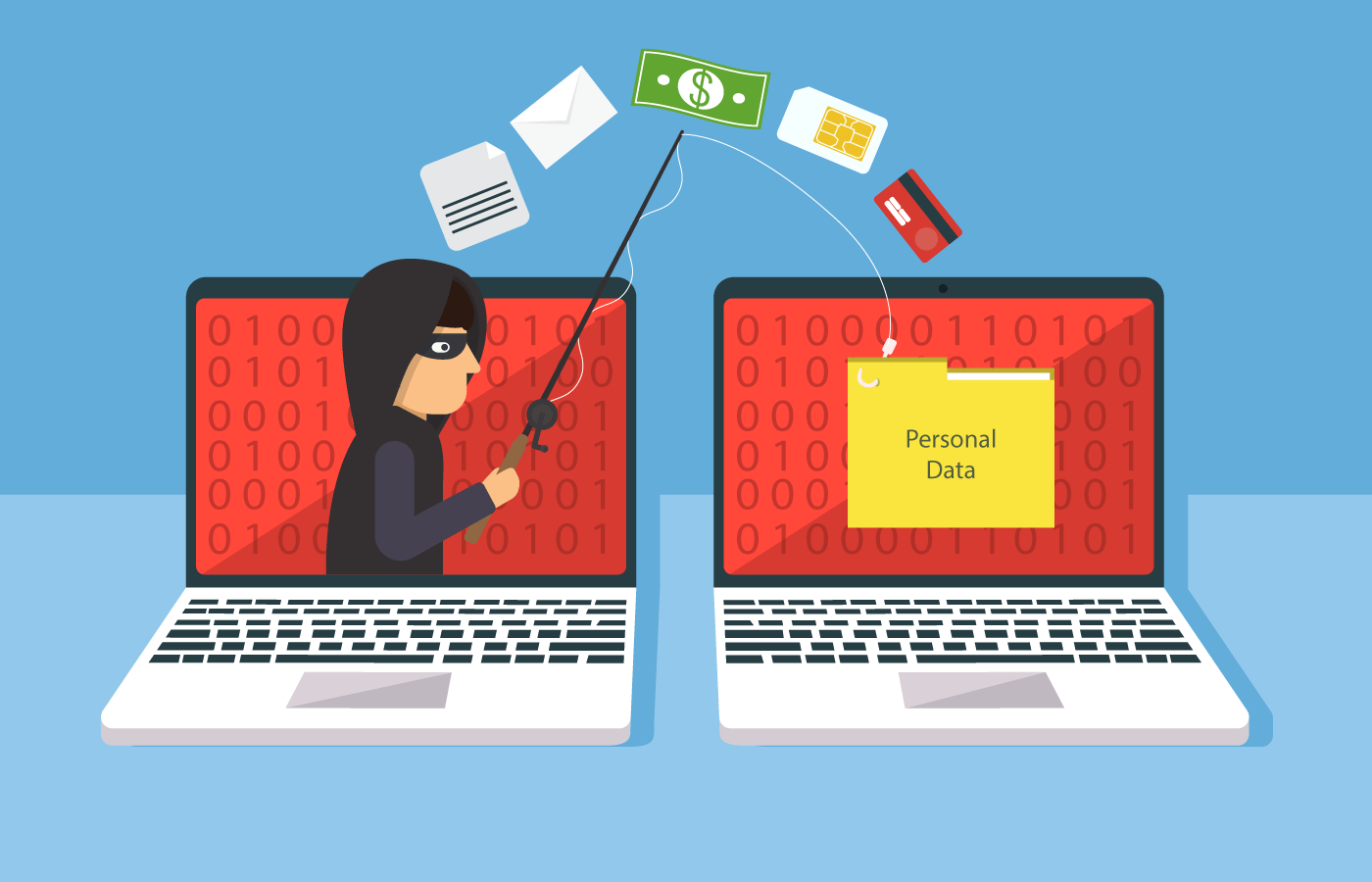
Phishing attacks remain one of the most common and damaging cybersecurity threats for companies of all sizes. Cybercriminals use deceptive emails, messages, and websites to trick employees into revealing sensitive information such as login credentials, financial data, or intellectual property. For businesses, a single successful phishing attack can result in financial loss, reputational damage, and regulatory penalties.
Preventing phishing attacks requires a combination of technology, employee training, and organizational policies. This guide outlines practical strategies to protect your company from phishing threats.
What Are Phishing Attacks?
Phishing attacks are social engineering tactics that exploit human trust. Common types include:
-
Email phishing: Fake emails designed to appear as though they come from trusted sources.
-
Spear phishing: Targeted attacks on specific individuals or departments.
-
Smishing: Phishing via SMS messages.
-
Vishing: Phishing via phone calls.
-
Malicious websites: Fake login pages that steal credentials.
The goal is to convince employees to provide sensitive information or download malware.
Why Companies Are at Risk
Businesses are attractive targets because:
-
They hold valuable data and financial resources.
-
Employees may be less vigilant when multitasking or under pressure.
-
Small businesses and startups often lack advanced security tools.
According to recent studies, phishing attacks account for a significant percentage of data breaches worldwide.
Key Strategies to Prevent Phishing Attacks
1. Employee Education and Awareness
Employees are the first line of defense. Training should cover:
-
Identifying suspicious emails and links
-
Verifying sender addresses
-
Avoiding clicking on unknown attachments
-
Reporting suspected phishing attempts
Regular workshops, simulated phishing campaigns, and quizzes can reinforce awareness.
2. Implement Multi-Factor Authentication (MFA)
MFA adds an extra layer of security. Even if login credentials are stolen, attackers cannot access accounts without the second verification step. This dramatically reduces the impact of phishing attempts.
3. Use Email Filtering and Anti-Phishing Software
Deploy security tools that:
-
Detect suspicious emails
-
Block malicious attachments or links
-
Flag messages from unknown or spoofed senders
Advanced machine learning-based tools can adapt to new phishing tactics in real time.
4. Enforce Strong Password Policies
Weak passwords make phishing attacks more effective. Ensure employees:
-
Use unique, complex passwords
-
Avoid reusing passwords across accounts
-
Change passwords regularly
Consider integrating password managers to help employees securely store and manage credentials.
5. Regularly Update Systems and Software
Outdated software can have vulnerabilities that attackers exploit. Best practices include:
-
Installing updates and security patches promptly
-
Updating email clients and web browsers
-
Securing endpoints, servers, and network devices
Routine maintenance reduces the risk of malware delivered via phishing attacks.
6. Monitor and Respond to Phishing Attempts
Implement systems to detect and respond to suspicious activity, including:
-
Security information and event management (SIEM) solutions
-
Logging and monitoring email interactions
-
Alerting IT teams about unusual login attempts
Quick response minimizes potential damage.
7. Conduct Phishing Simulations
Simulated phishing exercises help employees practice recognizing threats without real consequences. Results can guide additional training and identify high-risk users or departments.
8. Secure External Communications
External partners, vendors, and clients can be entry points for phishing campaigns. Protect communications by:
-
Verifying sender domains
-
Using secure email protocols (SPF, DKIM, DMARC)
-
Educating external contacts on phishing risks
9. Backup Critical Data
In case a phishing attack leads to ransomware or data loss, backups are crucial. Ensure:
-
Automated and encrypted backups
-
Multiple backup locations
-
Regular restoration testing
This ensures business continuity even during a security incident.
Common Mistakes Companies Make
-
Assuming phishing only targets large organizations
-
Over-relying on technical solutions without training
-
Ignoring suspicious reports from employees
-
Failing to monitor email systems and network activity
-
Not testing incident response plans
Avoiding these mistakes strengthens overall defense.
Integrating Phishing Prevention with Broader Security
Phishing prevention should be part of a multi-layered cybersecurity strategy. This includes:
-
Endpoint protection solutions
-
Network security monitoring
-
VPNs for secure remote access
-
Regular vulnerability assessments
Employees who are trained on phishing awareness also benefit from guidance on general device security, such as techniques explained in resources like How to Fix Common Smartphone Issues at Home, which help maintain personal device security. Secure devices reduce the risk that a compromised endpoint will enable a phishing attack.
Frequently Asked Questions (FAQs)
1. What is the most common type of phishing attack?
Email phishing is the most common, but targeted spear phishing causes the most damage.
2. How quickly should phishing attempts be reported?
Immediately. Early detection and reporting can prevent broader compromise.
3. Can phishing attacks bypass antivirus software?
Yes. Social engineering can trick users into downloading malicious files that bypass signature-based defenses.
4. Should companies use simulated phishing tests?
Yes. Simulations are effective for training and identifying vulnerable employees.
5. Is multi-factor authentication essential?
Absolutely. MFA greatly reduces the impact of stolen credentials.
6. How often should phishing training occur?
At least annually, with periodic refreshers and updates when new threats emerge.
Conclusion
Preventing phishing attacks in companies requires a combination of employee awareness, technical safeguards, and proactive monitoring. By educating staff, implementing multi-factor authentication, securing communications, and maintaining up-to-date systems, organizations can significantly reduce their risk.