



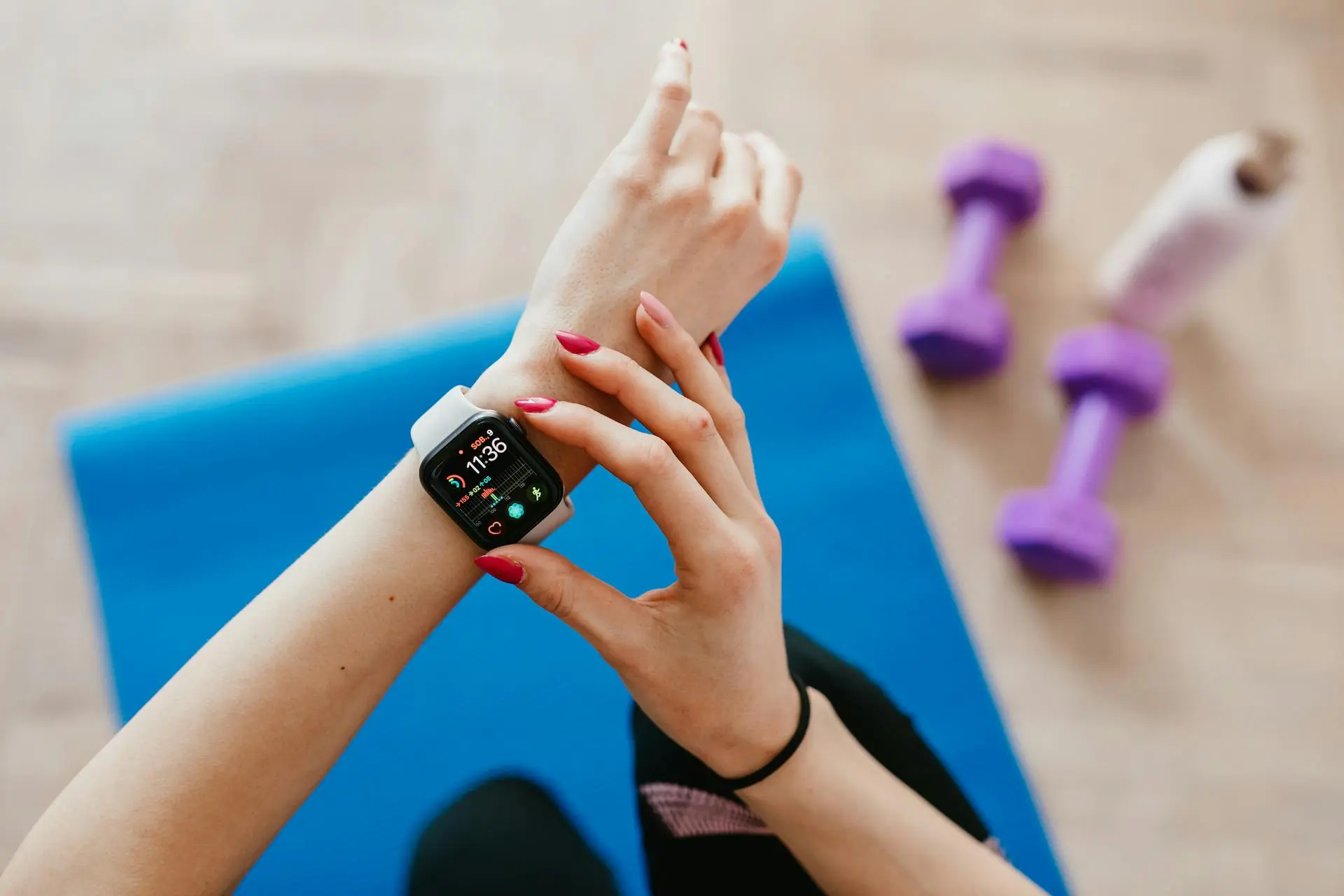
Wearable technology continues to evolve rapidly, and the latest innovations in wearable fitness trackers are transforming how we monitor health, performance, and overall wellness. No longer limited to counting steps, modern fitness trackers now offer advanced biometric tracking, AI-powered insights, and even medical-grade features.
In this in-depth guide, we’ll explore the newest advancements, smart features, comparison tables, and frequently asked questions to help you understand where wearable fitness technology is headed.
1. Advanced Health Monitoring Sensors
One of the most significant breakthroughs in wearable fitness trackers is the expansion of health-tracking capabilities.
Key Sensor Innovations:
-
Continuous heart rate monitoring with improved accuracy
-
Blood oxygen (SpO2) tracking
-
ECG (electrocardiogram) functionality
-
Skin temperature monitoring
-
Stress and HRV (Heart Rate Variability) analysis
Some high-end devices now provide near-clinical-grade readings, helping users detect irregular heart rhythms and monitor recovery more effectively.
2. AI-Powered Personalized Coaching
Artificial intelligence is playing a major role in the latest innovations in wearable fitness trackers. Instead of simply collecting data, devices now interpret it.
AI Features Include:
-
Personalized workout suggestions
-
Adaptive recovery recommendations
-
Sleep pattern analysis
-
Real-time performance feedback
-
Smart goal adjustments
AI systems analyze long-term trends to offer tailored advice based on your activity, sleep, and stress levels.
3. Improved Sleep Tracking Technology
Sleep tracking has evolved beyond measuring duration. Modern trackers now monitor:
-
Sleep stages (light, deep, REM)
-
Sleep consistency
-
Respiratory rate
-
Nighttime heart rate variability
-
Sleep score optimization
Some devices even provide guided breathing exercises to improve sleep quality.
4. Non-Invasive Glucose Monitoring (Emerging Tech)
One of the most exciting developments is research into non-invasive glucose monitoring. While still developing, certain wearable prototypes aim to measure blood sugar levels without finger pricks. This innovation could be groundbreaking for individuals managing diabetes.
5. Enhanced Battery Life and Solar Charging
Battery improvements are another major advancement.
| Feature | Traditional Trackers | Latest Innovations |
|---|---|---|
| Battery Life | 3–5 days | 7–14+ days |
| Charging | Standard cable | Fast charging |
| Solar Support | Rare | Available in select models |
| Power Optimization | Basic | AI-based battery management |
Longer battery life ensures continuous tracking without frequent interruptions.
6. Advanced Fitness Metrics for Athletes
Modern fitness trackers now include performance-focused data such as:
-
VO2 max measurement
-
Training load analysis
-
Recovery time prediction
-
Running dynamics
-
Cycling power integration
These features were previously available only in professional-grade sports equipment.
7. Mental Wellness and Stress Monitoring
Mental health tracking is gaining importance. The latest innovations in wearable fitness trackers include:
-
Real-time stress alerts
-
Guided breathing exercises
-
Mood logging
-
Mindfulness tracking
-
Burnout indicators
Wearables are now positioned as holistic wellness devices rather than just fitness tools.
8. Improved Design and Comfort
Today’s trackers are:
-
Slimmer and lighter
-
Water-resistant up to deeper levels
-
Built with durable materials
-
Equipped with customizable bands
-
Featuring brighter, always-on AMOLED displays
Design enhancements make devices more comfortable for 24/7 wear.
9. Integration with Smart Ecosystems
Wearables now seamlessly integrate with:
-
Smart home systems
-
Health apps
-
GPS mapping services
-
Voice assistants
-
Contactless payment systems
As with implementing Tips for Securing Home Wi-Fi Networks, securing wearable devices and their connected ecosystems is equally important to protect personal health data.
10. Women’s Health Tracking Advancements
New trackers offer detailed support for women’s health, including:
-
Menstrual cycle prediction
-
Ovulation tracking
-
Pregnancy monitoring features
-
Hormonal health insights
These features provide personalized health awareness and planning tools.
11. Real-Time Safety Features
Safety features are becoming standard in advanced wearables:
-
Fall detection
-
Emergency SOS alerts
-
Location sharing
-
Crash detection (in select smartwatches)
These functions enhance personal safety, especially for elderly users or outdoor athletes.
Comparison: Core Features in Modern Fitness Trackers
| Feature Category | Basic Tracker | Advanced 2026 Model |
|---|---|---|
| Step Counting | Yes | Yes (more accurate) |
| Heart Rate | Basic | Continuous & ECG |
| Sleep Tracking | Duration only | Full-stage & recovery analysis |
| AI Coaching | No | Yes |
| Stress Tracking | Limited | Advanced HRV-based |
| Battery Life | 3–5 days | 7–14+ days |
| Safety Alerts | No | Yes |
The gap between entry-level and advanced devices continues to widen as technology evolves.
Common Challenges with Wearable Fitness Trackers
-
Data overload without proper interpretation
-
Privacy concerns
-
Inconsistent accuracy across brands
-
High cost for premium models
-
Dependency on smartphone apps
Choosing a reliable brand and understanding privacy settings are crucial.
Frequently Asked Questions (FAQs)
1. Are modern fitness trackers medically accurate?
Some features like ECG and heart rate monitoring are highly accurate, but they should not replace professional medical diagnosis.
2. How long do wearable fitness trackers last?
Most devices last 2–4 years depending on build quality and battery health.
3. Are wearable fitness trackers safe to wear all day?
Yes, they are designed for continuous wear and meet safety standards.
4. Do I need a subscription for advanced features?
Some brands require paid subscriptions for detailed analytics and coaching.
5. Can wearable trackers help with weight loss?
Yes, they track calories, activity, and sleep, which support healthier lifestyle choices.
Final Thoughts
The latest innovations in wearable fitness trackers are reshaping personal health management. With AI-powered coaching, advanced biometric sensors, longer battery life, and enhanced safety features, these devices are becoming powerful wellness companions.