

Damaged hair is a common concern caused by heat styling, chemical treatments, pollution, and lack of proper care. Signs of hair damage include dryness, split ends, breakage, frizz, and dullness. While commercial treatments often provide temporary results, a natural hair care routine focuses on long-term repair and hair health.
This guide outlines a simple yet effective natural hair care routine for damaged hair using gentle practices and nourishing ingredients to restore strength, shine, and softness.
Understanding Hair Damage
Hair damage occurs when the protective outer layer of the hair strand weakens, exposing the inner structure. Once damaged, hair becomes fragile and more prone to breakage. Natural care helps minimize further damage while supporting healthy regrowth.
Consistency and patience are key when repairing damaged hair naturally.
Step-by-Step Natural Hair Care Routine for Damaged Hair
Step 1: Use a Gentle, Sulfate-Free Cleanser
Harsh shampoos strip natural oils, making damaged hair worse. Choose a mild, sulfate-free shampoo that cleanses without drying out the hair.
Limit washing to two or three times a week to retain natural moisture.
Step 2: Oil Your Hair Regularly
Natural oils nourish the scalp and strengthen hair strands. Coconut oil, olive oil, and castor oil are excellent choices for damaged hair.
Massage oil into the scalp and lengths, leave it on for at least 30 minutes or overnight, then wash gently.
Step 3: Deep Condition Weekly
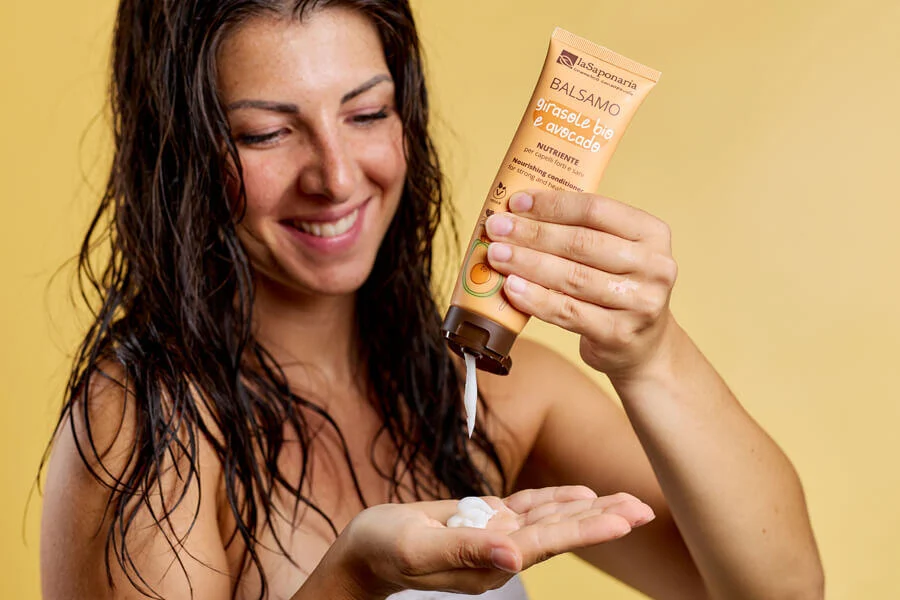
Deep conditioning restores moisture and improves elasticity. Use natural conditioners or hair masks made with ingredients like aloe vera, honey, or yogurt.
Apply from mid-lengths to ends and leave on for 20 to 30 minutes before rinsing.
Step 4: Reduce Heat Styling
Excessive heat weakens hair proteins and increases breakage. Allow hair to air-dry whenever possible and limit the use of straighteners and curling tools.
If heat is necessary, always use the lowest temperature setting.
Step 5: Handle Hair Gently
Wet hair is more prone to damage. Use a wide-tooth comb and detangle gently, starting from the ends and working upward.
Avoid tight hairstyles that pull on the roots and cause stress on weakened strands.
Step 6: Nourish Hair With Natural Leave-Ins
Lightweight natural leave-in treatments help protect damaged hair throughout the day. Aloe vera gel or diluted oils can reduce frizz and add softness.
Apply sparingly to avoid buildup.
Step 7: Maintain a Healthy Scalp
A healthy scalp promotes healthy hair growth. Regular scalp massages improve blood circulation and support stronger hair over time.
Avoid excessive product buildup by cleansing the scalp thoroughly but gently.
Table: Natural Ingredients for Repairing Damaged Hair
| Natural Ingredient | Benefit | How to Use |
|---|---|---|
| Coconut Oil | Strengthens hair | Pre-wash oiling |
| Aloe Vera | Hydrates and soothes | Mask or leave-in |
| Honey | Adds moisture and shine | Mixed with conditioner |
| Yogurt | Repairs and softens | Weekly hair mask |
| Olive Oil | Improves elasticity | Hot oil treatment |
Lifestyle Habits That Improve Hair Health
Hair health is influenced by diet, hydration, and stress levels. Drinking enough water, eating nutrient-rich foods, and managing stress contribute to stronger hair over time.
Just as a balanced approach is essential for skin routines such as the No Makeup Makeup Look for Oily Skin, hair repair also benefits from gentle, minimal, and consistent care.
Common Mistakes to Avoid
Over-washing, aggressive brushing, and frequent chemical treatments can slow down the healing process. Using too many products at once may also weigh hair down and cause buildup.
Natural routines work best when kept simple and consistent.
Frequently Asked Questions (FAQs)
How long does it take to repair damaged hair naturally?
Visible improvement can take a few weeks, but full recovery depends on the level of damage and consistency of care.
Can split ends be repaired naturally?
Split ends cannot be fully repaired and should be trimmed. Natural care helps prevent new split ends from forming.
Is oiling necessary for damaged hair?
Yes. Oiling strengthens hair strands, reduces breakage, and improves moisture retention.
How often should I deep condition damaged hair?
Once a week is ideal for most hair types. Very dry hair may benefit from twice-weekly treatments.
Can natural routines replace salon treatments?
Natural routines focus on long-term health, while salon treatments provide short-term cosmetic results. Both can complement each other.
Final Thoughts
A natural hair care routine for damaged hair emphasizes gentle cleansing, deep nourishment, and mindful styling habits. While results take time, consistent natural care strengthens hair from within and restores its natural shine and resilience.