


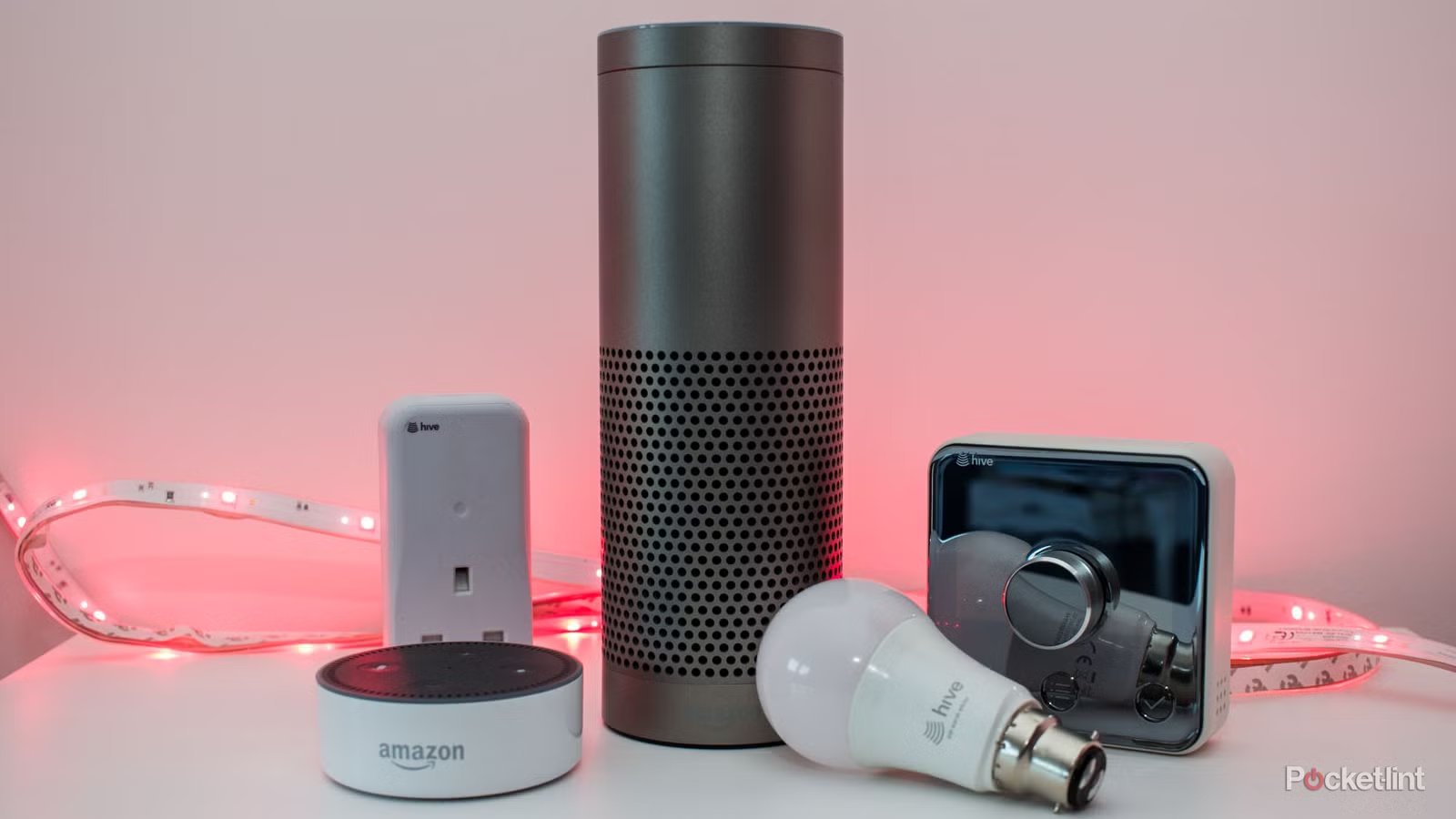
Smart home technology has transformed the way people interact with their living spaces. From voice-controlled lighting to intelligent security systems, modern households are becoming more efficient, secure, and convenient. Among the leading platforms driving this revolution is Amazon Alexa. Choosing the right smart home devices compatible with Alexa ensures seamless integration, better automation, and an enhanced user experience.
In this comprehensive guide, we will explore the best types of smart home devices that work with Alexa, their benefits, and how to select the right products for your needs.
Why Choose Smart Home Devices Compatible with Alexa?
Alexa is one of the most widely used voice assistants worldwide. Devices compatible with Alexa allow users to:
-
Control appliances using voice commands
-
Create automated routines
-
Manage home security remotely
-
Save energy through smart scheduling
-
Integrate multiple devices into a unified ecosystem
The simplicity of saying “Alexa, turn off the lights” or “Alexa, lock the door” adds comfort and efficiency to everyday life.
Categories of Smart Home Devices Compatible with Alexa
There are various device categories designed to work seamlessly with Alexa. Below are the most popular ones.
1. Smart Speakers and Displays
Smart speakers are the foundation of an Alexa-powered home. Devices like Echo speakers and smart displays allow you to control other connected devices, stream music, set reminders, and monitor security cameras.
Smart displays also provide visual feedback, making them ideal for video calls, viewing camera feeds, or following recipes in the kitchen.
2. Smart Lighting Systems
Smart bulbs, light strips, and switches are among the easiest ways to begin your smart home journey. These devices allow you to:
-
Adjust brightness
-
Change colors
-
Set schedules
-
Control lighting remotely
Voice commands make it easy to manage lights without physically touching switches.
3. Smart Plugs
Smart plugs convert traditional appliances into smart devices. By connecting lamps, coffee makers, or fans to a smart plug, users can control them via Alexa voice commands or through a mobile app.
This is an affordable entry point for anyone starting with home automation.
4. Smart Thermostats
Smart thermostats help regulate indoor temperature efficiently. Alexa-compatible thermostats allow voice-based temperature adjustments and energy-saving scheduling. Over time, this can significantly reduce electricity bills.
5. Smart Security Devices
Home security is a major reason people invest in smart technology. Alexa-compatible security devices include:
-
Smart doorbells
-
Security cameras
-
Motion sensors
-
Smart locks
Users can view live camera feeds on smart displays or receive instant alerts when unusual activity is detected.
6. Smart Appliances
Modern refrigerators, washing machines, ovens, and robotic vacuum cleaners are increasingly Alexa-compatible. These appliances allow voice activation and remote monitoring, making daily chores easier.
Key Benefits of Alexa-Compatible Devices
1. Centralized Control
Alexa acts as a central hub that connects various devices, eliminating the need for multiple apps.
2. Automation and Routines
Users can create routines such as “Good Morning” to turn on lights, adjust thermostat settings, and start coffee machines simultaneously.
3. Energy Efficiency
Smart scheduling reduces unnecessary energy consumption.
4. Accessibility
Voice control makes smart homes particularly helpful for elderly individuals or people with mobility challenges.
Comparison Table of Smart Home Devices Compatible with Alexa
| Device Category | Primary Function | Best For | Average Setup Difficulty |
|---|---|---|---|
| Smart Speakers | Voice control & hub management | Central device control | Easy |
| Smart Lighting | Remote light management | Energy savings & ambiance | Easy |
| Smart Plugs | Appliance automation | Budget smart upgrades | Very Easy |
| Smart Thermostats | Climate control | Energy efficiency | Moderate |
| Smart Security | Home monitoring | Safety & surveillance | Moderate |
| Smart Appliances | Household task automation | Convenience & efficiency | Moderate |
How to Choose the Right Alexa-Compatible Devices
When selecting smart home devices compatible with Alexa, consider the following factors:
1. Compatibility Verification
Always confirm that the device explicitly supports Alexa integration.
2. Wi-Fi Requirements
Ensure your home network is strong enough to handle multiple connected devices.
3. Budget Planning
Start with essential devices like smart bulbs or plugs before investing in advanced systems.
4. Scalability
Choose devices that allow future expansion. A smart home should grow with your needs.
5. Security and Privacy
Opt for devices with strong encryption and reliable security updates.
Integration and Learning Opportunities
Interestingly, setting up smart devices can also inspire learning in technology and programming. For example, those exploring automation might also be interested in coding projects such as Beginner-Friendly Python Projects for Students, which help build foundational skills in logic, scripting, and automation concepts similar to smart home routines.
Understanding how devices communicate via APIs and cloud systems can spark interest in software development and IoT engineering.
Common Mistakes to Avoid
-
Buying incompatible devices without checking Alexa support
-
Overloading your Wi-Fi network
-
Ignoring firmware updates
-
Failing to create automation routines
-
Not securing your network with strong passwords
Avoiding these mistakes ensures a smoother smart home experience.
Future Trends in Alexa-Compatible Smart Homes
Smart homes continue to evolve. Upcoming trends include:
-
AI-powered automation that learns user behavior
-
Improved voice recognition accuracy
-
Enhanced integration with wearable devices
-
Energy monitoring dashboards
-
Advanced home security analytics
As artificial intelligence advances, Alexa-compatible ecosystems will become even more intuitive and personalized.
Frequently Asked Questions (FAQs)
1. Do all smart devices work with Alexa?
No, not all smart devices are Alexa-compatible. Always check product specifications before purchasing.
2. Do I need a smart speaker for Alexa devices?
While a smart speaker enhances voice control, some devices can be controlled via the Alexa mobile app.
3. Are Alexa-compatible devices secure?
Most reputable brands implement encryption and regular updates. However, users should secure their Wi-Fi network and use strong passwords.
4. Can Alexa control multiple devices at once?
Yes, you can create routines that control several devices with a single command.
5. Is it expensive to build a smart home?
It depends on your goals. You can start small with smart plugs and bulbs and expand gradually.
Conclusion
Smart home devices compatible with Alexa offer convenience, efficiency, and enhanced security for modern households. Whether you start with smart lighting, security systems, or advanced appliances, Alexa serves as a powerful central hub that simplifies home automation.