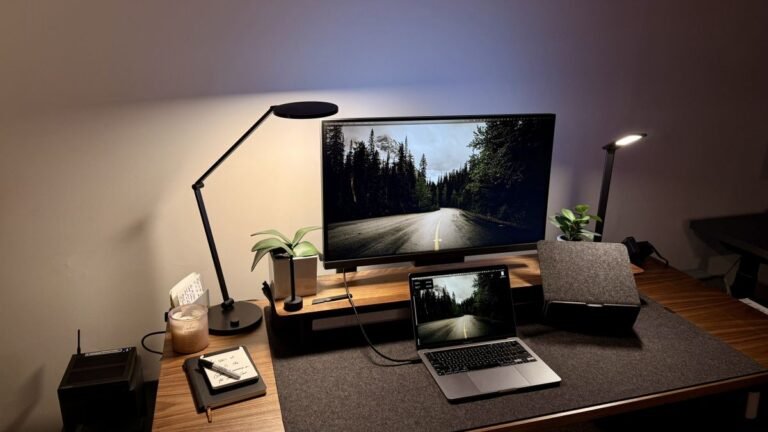

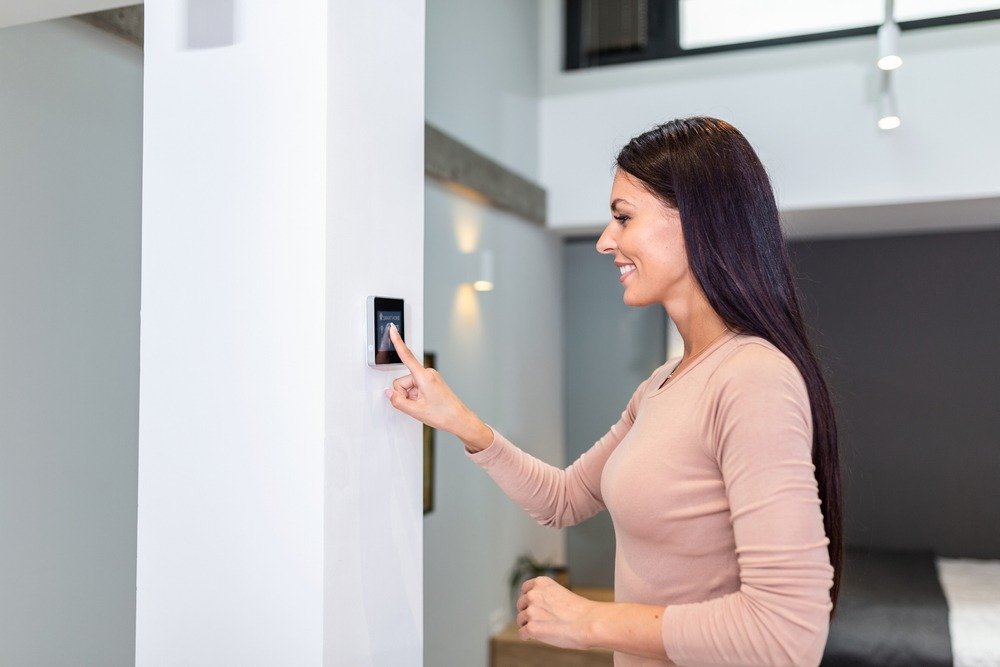
Smart home automation systems are transforming the way people live, especially in apartments where space, convenience, and efficiency matter the most. With the right setup, you can control lighting, security, temperature, and entertainment systems—all from your smartphone or voice assistant. Whether you’re a renter or an owner, smart technology can significantly enhance comfort, safety, and energy efficiency in apartment living.
In this article, we’ll explore the best smart home automation systems for apartments, essential features to look for, and how to choose the right setup for your lifestyle.
What is a Smart Home Automation System?
A smart home automation system connects various devices in your home through a central platform, allowing you to control them remotely or automatically. These systems often use Wi-Fi, Bluetooth, or hubs to integrate devices like lights, thermostats, cameras, and locks.
For apartment dwellers, these systems are especially useful because they are typically easy to install, portable, and don’t require major structural changes.
Benefits of Smart Home Automation in Apartments
1. Convenience
You can control multiple devices through a single app or voice command. For example, turning off lights, adjusting the thermostat, and locking doors can all be done simultaneously.
2. Energy Efficiency
Smart thermostats and lighting systems help reduce energy consumption by adjusting settings based on your habits.
3. Enhanced Security
Smart locks, cameras, and door sensors provide real-time alerts and remote monitoring, giving you peace of mind.
4. Space Optimization
Apartments often have limited space, and smart devices help reduce clutter by combining multiple functions into one system.
Key Features to Look For
When choosing a smart home automation system for your apartment, consider the following features:
Compatibility
Ensure the system supports multiple devices and platforms, such as Android, iOS, and voice assistants like Alexa or Google Assistant.
Ease of Installation
Look for plug-and-play devices that don’t require professional installation or permanent modifications.
Scalability
Choose a system that allows you to add more devices over time as your needs grow.
Remote Access
Make sure you can control your devices from anywhere using a mobile app.
Security
Since smart systems are connected to the internet, strong security measures are essential. Interestingly, many of the same principles found in Cybersecurity Best Practices for Small Businesses also apply to protecting your smart home network.
Best Smart Devices for Apartments
Here’s a table highlighting some of the most popular smart home devices suitable for apartment living:
| Device Type | Example Use | Benefits |
|---|---|---|
| Smart Lights | Remote lighting control | Energy saving, customizable ambiance |
| Smart Plugs | Control appliances | Easy automation, no wiring needed |
| Smart Thermostat | Temperature regulation | Lower energy bills, improved comfort |
| Smart Locks | Keyless entry | Enhanced security and convenience |
| Smart Cameras | Home monitoring | Real-time alerts, remote viewing |
| Voice Assistants | Central control hub | Hands-free operation |
Popular Smart Home Ecosystems
Choosing the right ecosystem is crucial for seamless integration. Here are some widely used platforms:
Amazon Alexa
Offers a wide range of compatible devices and strong voice control capabilities.
Google Home
Known for its intuitive interface and excellent integration with Android devices.
Apple HomeKit
Ideal for users within the Apple ecosystem, offering strong privacy and security features.
Tips for Setting Up a Smart Apartment
Start Small
Begin with essential devices like smart bulbs or plugs before expanding your system.
Focus on Wireless Devices
Avoid systems that require complex wiring, especially if you’re renting.
Use Automation Wisely
Set schedules and routines, such as turning off lights when you leave or adjusting the temperature at night.
Secure Your Network
Use strong passwords, enable two-factor authentication, and keep your devices updated to prevent unauthorized access.
Challenges to Consider
While smart home automation offers many benefits, there are some challenges:
-
Initial cost of devices
-
Dependence on internet connectivity
-
Compatibility issues between brands
-
Privacy concerns
Understanding these challenges will help you make more informed decisions.
FAQs
1. Are smart home systems suitable for rented apartments?
Yes, most smart home devices are wireless and easy to install, making them perfect for renters.
2. Do I need a hub for smart home automation?
Not always. Many devices work independently via Wi-Fi, but a hub can improve integration and performance.
3. Are smart home devices energy efficient?
Yes, devices like smart thermostats and lights help reduce energy usage by automating functions.
4. How secure are smart home systems?
They are generally secure if you follow best practices like using strong passwords and keeping software updated.
5. Can I control smart devices when I’m not home?
Yes, most systems offer remote access through mobile apps, allowing you to control devices from anywhere.
Conclusion
Smart home automation systems are an excellent addition to apartment living, offering convenience, efficiency, and enhanced security. With a wide range of devices and platforms available, it’s easier than ever to create a personalized smart home setup.
By focusing on compatibility, ease of use, and security, you can build a system that not only fits your space but also improves your daily life. Whether you start small or go all-in, smart technology can transform your apartment into a modern, connected living space.