


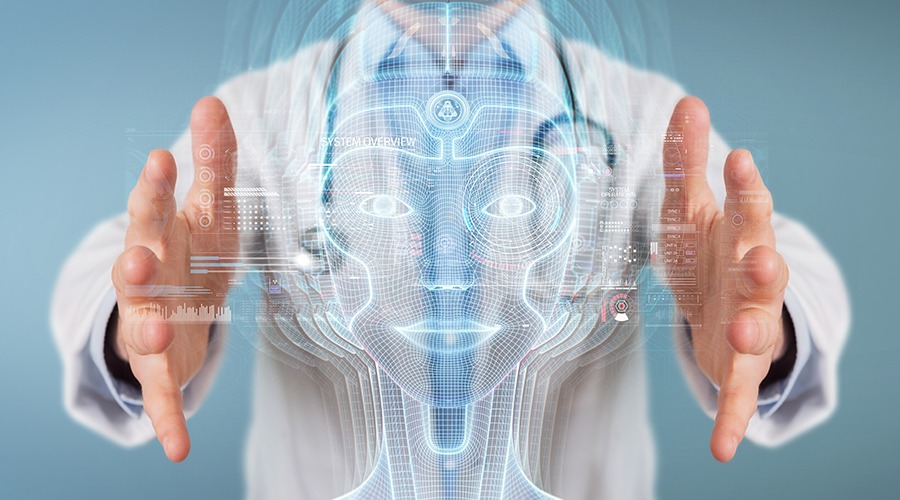
Machine learning is rapidly transforming healthcare diagnostics by improving accuracy, speed, and efficiency in disease detection and clinical decision-making. By analyzing vast amounts of medical data, machine learning models can identify patterns that may be difficult or time-consuming for human clinicians to detect. As a result, healthcare providers are increasingly adopting these technologies to enhance patient outcomes and reduce diagnostic errors.
This article explores how machine learning is applied in healthcare diagnostics, its benefits, real-world use cases, challenges, and future potential.
What Is Machine Learning in Healthcare Diagnostics?
Machine learning is a subset of artificial intelligence that enables systems to learn from data and improve performance without explicit programming. In healthcare diagnostics, machine learning algorithms analyze medical data such as imaging scans, lab results, electronic health records, and genetic information to support diagnosis and treatment planning.
These systems continuously improve as they are exposed to more data, making them especially valuable in complex diagnostic environments.
Why Machine Learning Matters in Medical Diagnostics
Healthcare systems generate massive volumes of data every day. Interpreting this data accurately and efficiently is critical for early disease detection and effective treatment.
Machine learning helps address these challenges by:
-
Reducing diagnostic errors
-
Enabling early disease detection
-
Supporting personalized medicine
-
Improving workflow efficiency
-
Enhancing decision support for clinicians
By augmenting human expertise, machine learning enables faster and more reliable diagnoses.
Key Applications of Machine Learning in Healthcare Diagnostics
Medical Imaging Analysis
Machine learning models are widely used in analyzing X-rays, CT scans, MRIs, and ultrasounds. These systems can detect abnormalities such as tumors, fractures, or organ damage with high accuracy, often matching or exceeding human performance.
Disease Prediction and Risk Assessment
Predictive models analyze patient history, lifestyle data, and genetic information to assess the risk of developing conditions such as heart disease, diabetes, or cancer. Early risk identification allows for preventive interventions.
Pathology and Laboratory Diagnostics
Machine learning assists in analyzing blood samples, tissue biopsies, and pathology slides. Automated systems can identify disease markers, classify cells, and reduce human error in lab diagnostics.
Clinical Decision Support Systems
Machine learning-powered decision support tools help clinicians interpret complex data and recommend diagnostic pathways. These systems do not replace doctors but provide valuable insights to support informed decisions.
Genomics and Precision Medicine
By analyzing genetic data, machine learning helps identify mutations linked to specific diseases. This enables personalized treatment plans tailored to individual patients.
Benefits of Machine Learning in Healthcare Diagnostics
Machine learning delivers significant advantages across healthcare systems:
-
Faster diagnosis and reduced waiting times
-
Improved accuracy and consistency
-
Early detection of diseases
-
Lower healthcare costs
-
Enhanced patient outcomes
These benefits contribute to more proactive and patient-centered care.
Machine Learning Diagnostic Applications Overview
| Application Area | Data Type Used | Diagnostic Benefit |
|---|---|---|
| Medical Imaging | X-rays, MRIs, CT scans | Early and accurate detection |
| Predictive Analytics | Health records, lifestyle data | Risk assessment and prevention |
| Pathology | Lab samples, biopsy images | Reduced diagnostic errors |
| Decision Support | Clinical and patient data | Better clinical decisions |
| Genomics | DNA and genetic data | Personalized treatment |
Machine Learning and Healthcare Innovation
The integration of machine learning into healthcare diagnostics reflects a broader shift toward data-driven innovation. As healthcare systems modernize, they increasingly intersect with advances in other technologies, including cybersecurity and data protection—topics often discussed alongside the Future of Quantum Computing in Cybersecurity due to the need for secure handling of sensitive medical data.
This convergence highlights the importance of combining intelligent analytics with robust security frameworks.
Challenges and Limitations
Despite its potential, machine learning in healthcare diagnostics faces several challenges:
-
Data privacy and security concerns
-
Bias in training data
-
Lack of transparency in model decisions
-
Regulatory and compliance hurdles
-
Integration with existing healthcare systems
Addressing these challenges is essential to ensure ethical, safe, and effective implementation.
How Healthcare Providers Can Adopt Machine Learning
To successfully implement machine learning diagnostics, healthcare organizations should:
-
Ensure high-quality, diverse datasets
-
Invest in secure data infrastructure
-
Collaborate with clinicians during development
-
Validate models through clinical trials
-
Comply with healthcare regulations
A structured approach increases trust and adoption among medical professionals.
The Future of Machine Learning in Diagnostics
Machine learning will continue to evolve, becoming more accurate, explainable, and integrated into clinical workflows. Future systems are expected to support real-time diagnostics, remote patient monitoring, and fully personalized treatment recommendations.
As technology advances, machine learning will play an even greater role in preventive care and population health management.
Frequently Asked Questions (FAQs)
Is machine learning replacing doctors in diagnostics?
No. Machine learning supports clinicians by providing insights and recommendations, but final decisions remain with healthcare professionals.
How accurate are machine learning diagnostic tools?
Many tools achieve high accuracy, especially in imaging and pattern recognition, but they must be clinically validated before widespread use.
Is patient data safe when using machine learning?
Data security depends on the systems used. Strong encryption, access controls, and compliance measures are essential.
Can small clinics use machine learning diagnostics?
Yes. Cloud-based solutions make machine learning tools accessible to smaller healthcare providers.
What diseases are commonly diagnosed using machine learning?
Cancer, cardiovascular diseases, neurological disorders, eye diseases, and infectious conditions are among the most common.
Final Thoughts
Machine learning applications in healthcare diagnostics are reshaping how diseases are detected, predicted, and managed. By harnessing the power of data, these technologies enhance accuracy, speed, and clinical decision-making while supporting personalized care.
As challenges such as data security and bias are addressed, machine learning will become an indispensable component of modern healthcare diagnostics, improving outcomes for patients and providers alike.