


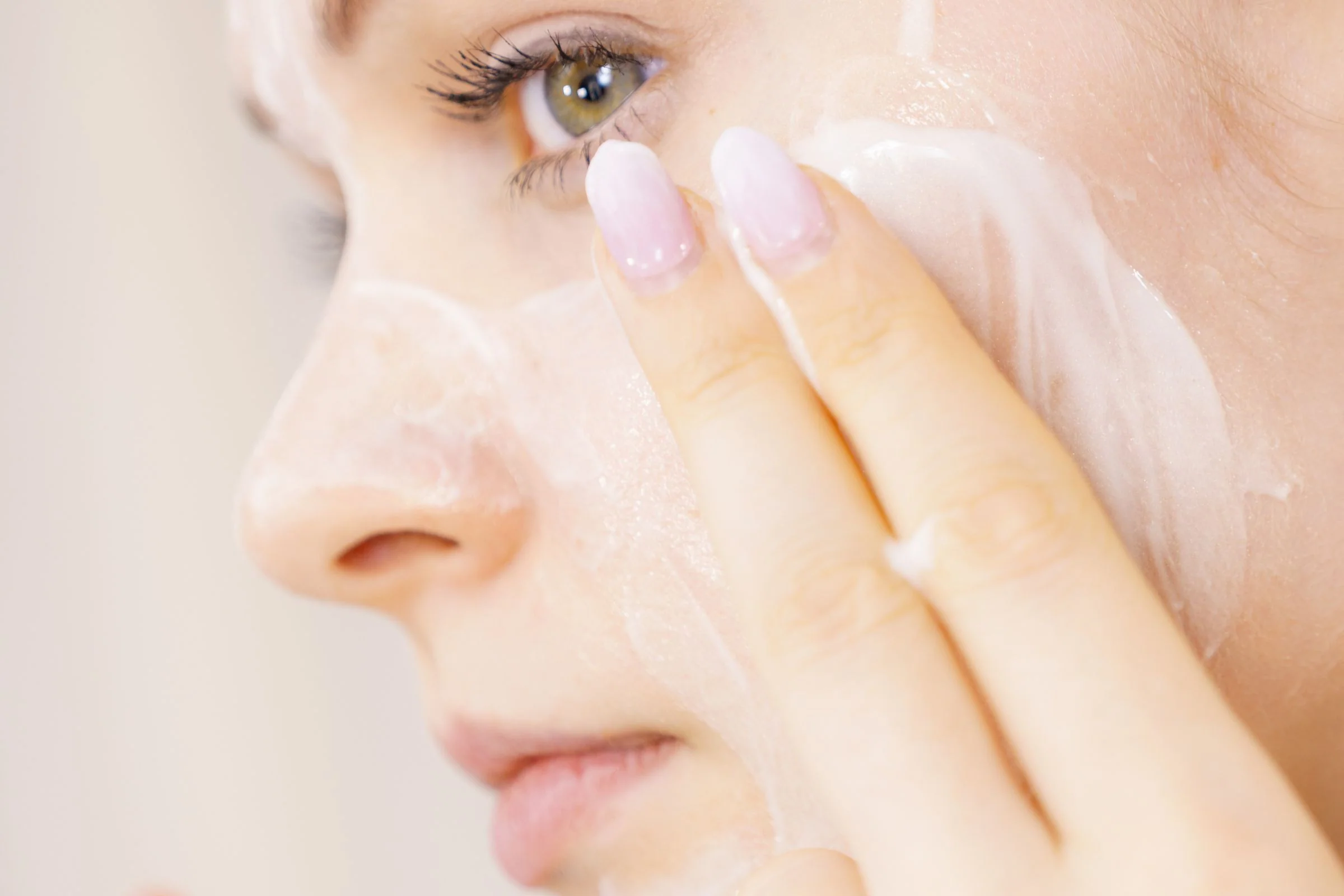
Using the right skincare products is important, but applying them in the wrong order can reduce their effectiveness. Knowing how to layer skincare products correctly ensures that each product penetrates the skin properly and delivers its intended benefits. Proper layering can improve hydration, boost glow, prevent breakouts, and enhance overall skin health.
This guide explains the correct order of skincare application, why layering matters, and how to adjust your routine based on skin type and product formulation.
Why Skincare Layering Matters
Skincare products are formulated with different textures, molecular sizes, and purposes. If applied incorrectly, heavier products can block lighter ones from penetrating the skin. Correct layering allows active ingredients to absorb effectively and prevents irritation caused by incompatible product combinations.
Benefits of proper skincare layering include:
-
Better absorption of active ingredients
-
Improved skin texture and tone
-
Reduced product waste
-
Lower risk of breakouts and irritation
-
More visible long-term results
The Golden Rule of Skincare Layering
The general rule is to apply products from thinnest to thickest consistency. Lightweight, water-based products go first, while heavier creams and oils go last to seal everything in.
Step-by-Step Guide: How to Layer Skincare Products Correctly
1. Cleanser
Cleansing is the foundation of any skincare routine. It removes dirt, oil, makeup, and impurities, creating a clean base for other products.
Tip: Use a gentle cleanser suitable for your skin type to avoid stripping natural oils.
2. Toner
Toner helps rebalance the skin’s pH after cleansing and prepares the skin to absorb serums and treatments more effectively.
Choose hydrating or soothing toners rather than alcohol-based ones.
3. Essence (Optional)
Essences are lightweight, hydrating products that enhance skin renewal and improve moisture retention. This step is common in multi-step routines but optional.
4. Serums and Treatments
Serums contain concentrated active ingredients targeting specific concerns such as acne, pigmentation, fine lines, or dehydration.
Apply water-based serums first, followed by thicker treatment serums if using more than one.
5. Spot Treatments
If you use acne or blemish treatments, apply them after serums but before moisturizer. This ensures targeted treatment without interference.
6. Eye Cream
Eye creams should be applied before moisturizer to prevent heavier products from pulling into the delicate eye area.
Use a small amount and gently tap it in.
7. Moisturizer
Moisturizer hydrates the skin and locks in all the layers beneath it. This step is essential for all skin types, including oily and acne-prone skin.
8. Facial Oil (Optional)
Facial oils are occlusives that seal moisture into the skin. They should always be applied after moisturizer, never before.
9. Sunscreen (Morning Only)
In the morning, sunscreen is the final and most important step. It protects the skin from UV damage and prevents premature aging.
Correct Skincare Layering Order at a Glance
| Order | Product Type | Purpose |
|---|---|---|
| 1 | Cleanser | Removes dirt and oil |
| 2 | Toner | Balances skin pH |
| 3 | Essence | Boosts hydration |
| 4 | Serum | Targets skin concerns |
| 5 | Spot Treatment | Treats blemishes |
| 6 | Eye Cream | Protects eye area |
| 7 | Moisturizer | Locks in hydration |
| 8 | Facial Oil | Seals moisture |
| 9 | Sunscreen (AM) | UV protection |
Morning vs Night Skincare Layering
While the layering principle remains the same, the products used may differ between morning and night.
-
Morning: Focus on hydration, protection, and lightweight products
-
Night: Focus on repair, nourishment, and active treatments
Proper layering is especially important in routines such as a Nighttime Skincare Routine for Glowing Skin, where active ingredients work during the skin’s natural repair cycle.
Common Skincare Layering Mistakes
-
Applying thick creams before serums
-
Using too many active ingredients at once
-
Skipping moisturizer because skin feels oily
-
Rubbing products too aggressively
-
Not waiting a few seconds between layers
Avoiding these mistakes helps maintain a healthy skin barrier.
How Long Should You Wait Between Layers?
You don’t need long gaps between products. Waiting 15–30 seconds between layers is usually enough for proper absorption, especially for serums and treatments.
Adjusting Layering for Different Skin Types
Oily Skin
Use lightweight, water-based products and avoid heavy oils.
Dry Skin
Incorporate hydrating toners, rich moisturizers, and facial oils.
Sensitive Skin
Limit the number of active ingredients and focus on soothing formulations.
Acne-Prone Skin
Avoid pore-clogging products and apply treatments only where needed.
FAQs: How to Layer Skincare Products Correctly
1. Can I mix serums together?
It’s better to layer serums rather than mix them, unless they are specifically formulated to be combined.
2. Do I need all skincare steps?
No. A simple routine with proper layering is often more effective than an overly complex one.
3. Should I wait for products to dry completely?
Products should absorb slightly, but they don’t need to be fully dry before applying the next layer.
4. Can improper layering cause breakouts?
Yes. Incorrect layering can trap oil and bacteria, leading to clogged pores.
5. Is skincare layering the same for everyone?
The basic order is the same, but product selection should vary based on skin type and concerns.
Final Thoughts
Learning how to layer skincare products correctly can significantly improve the effectiveness of your routine. By following the correct order, choosing suitable products, and maintaining consistency, you allow your skin to fully benefit from each step. Skincare doesn’t have to be complicated—smart layering and mindful application can make a noticeable difference in achieving healthier, clearer, and more radiant skin over time.