


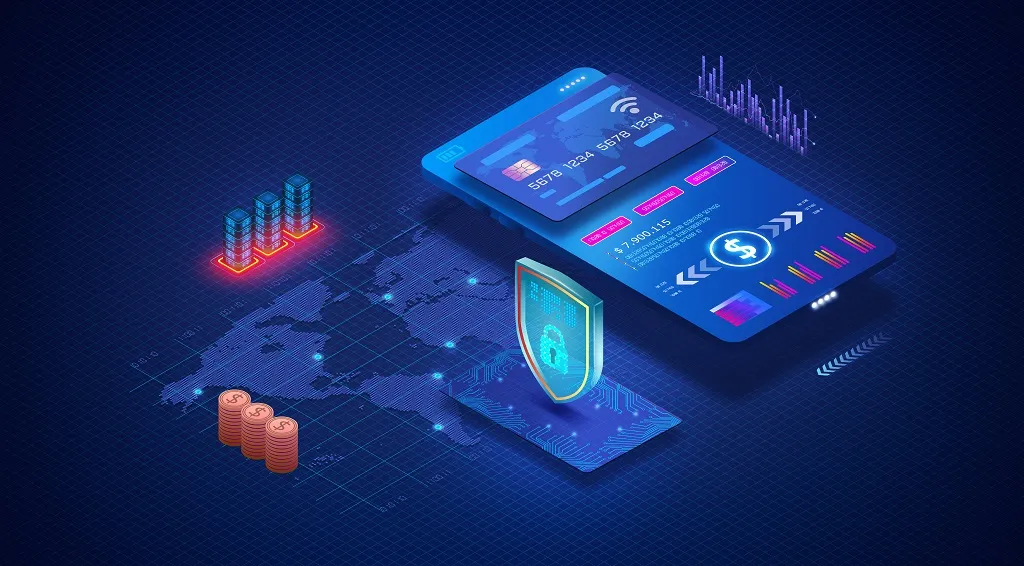
The digital payments landscape has undergone a dramatic transformation over the past decade. Driven by rapid technological advancement, fintech innovations are redefining how individuals and businesses send, receive, and manage money. From mobile wallets and blockchain technology to artificial intelligence and embedded finance, fintech is accelerating the shift toward a cashless, seamless, and highly secure financial ecosystem.
In this comprehensive guide, we explore how fintech innovations are reshaping digital payments, the technologies leading this revolution, key benefits for businesses and consumers, and what the future holds for the industry.
The Evolution of Digital Payments
Digital payments began with basic online banking and card transactions. Today, they encompass a wide range of technologies including contactless payments, peer-to-peer transfers, digital wallets, real-time payment systems, and decentralized finance platforms.
The increasing penetration of smartphones, internet connectivity, and cloud computing has enabled fintech companies to create faster, more secure, and more convenient payment solutions. Traditional banks are no longer the sole players in the payments ecosystem. Instead, agile fintech startups and technology giants are leading innovation.
Key Fintech Innovations Transforming Digital Payments
1. Mobile Wallets and Contactless Payments
Mobile wallets such as Apple Pay, Google Pay, and other regional solutions have changed how consumers transact. These platforms allow users to store payment information securely and make transactions with a simple tap.
Contactless technology using Near Field Communication (NFC) enables fast, frictionless payments. This innovation gained significant momentum due to consumer demand for hygienic, touch-free transactions.
2. Blockchain and Cryptocurrency
Blockchain technology is revolutionizing digital payments by enabling decentralized, transparent, and secure transactions. Cryptocurrencies allow peer-to-peer transfers without traditional intermediaries, reducing transaction fees and processing times.
Stablecoins and central bank digital currencies (CBDCs) are further enhancing the role of blockchain in mainstream finance. These digital assets combine the efficiency of crypto with the stability of fiat currency.
3. Real-Time Payment Systems
Real-time payments eliminate delays in fund transfers. Instead of waiting hours or days, users can send and receive money instantly. This capability improves cash flow for businesses and enhances convenience for consumers.
Real-time payment infrastructure is becoming a global standard, enabling 24/7 financial transactions across borders.
4. Artificial Intelligence and Machine Learning
AI and machine learning are enhancing digital payments in several ways:
-
Fraud detection and prevention
-
Risk assessment and credit scoring
-
Personalized financial recommendations
-
Automated customer service through chatbots
By analyzing vast amounts of transaction data, AI systems can detect suspicious patterns in real time, significantly reducing fraud risks.
5. Embedded Finance
Embedded finance integrates payment solutions directly into non-financial platforms. For example, e-commerce websites, ride-sharing apps, and social media platforms now offer built-in payment processing.
This integration streamlines the user experience and increases transaction efficiency, allowing customers to complete purchases without leaving the platform.
6. Biometric Authentication
Biometric security measures such as fingerprint scanning, facial recognition, and voice authentication are enhancing payment security. These technologies reduce reliance on passwords and PINs, making digital payments both safer and more convenient.
Benefits of Fintech Innovations in Digital Payments
Fintech-driven digital payments offer numerous advantages to both consumers and businesses.
For Consumers
-
Faster and more convenient transactions
-
Enhanced security and fraud protection
-
Greater financial inclusion
-
Access to global markets
For Businesses
-
Reduced operational costs
-
Improved transaction speed
-
Better data analytics and customer insights
-
Expanded global reach
Fintech also supports startups and growing companies by offering scalable infrastructure. Many technology-driven firms leverage Open Source Software Benefits for Tech Startups to build flexible and cost-effective payment solutions that can evolve with market demands.
Impact on Financial Inclusion
One of the most significant impacts of fintech innovations is improved financial inclusion. Millions of unbanked individuals worldwide now have access to financial services through mobile payment platforms.
Digital wallets and mobile banking apps eliminate the need for physical bank branches. This accessibility empowers small businesses, freelancers, and underserved communities to participate in the global economy.
Security Advancements in Digital Payments
Security remains a top priority in digital payments. Fintech innovations have introduced advanced encryption technologies, tokenization, and multi-factor authentication.
Here is a comparison of traditional payment systems versus fintech-enabled digital payments:
| Feature | Traditional Payment Systems | Fintech-Enabled Digital Payments |
|---|---|---|
| Transaction Speed | Hours to Days | Instant or Real-Time |
| Security | Basic Encryption | Advanced Encryption, Tokenization, Biometrics |
| Accessibility | Limited by Banking Hours | 24/7 Availability |
| Global Reach | Complex Cross-Border Processes | Seamless International Transfers |
| User Experience | Manual Processes | Automated and User-Friendly |
This comparison highlights how fintech innovations significantly improve efficiency, security, and user convenience.
The Role of APIs in Payment Innovation
Application Programming Interfaces (APIs) are fundamental to fintech innovation. Open banking initiatives allow secure data sharing between financial institutions and third-party providers.
APIs enable developers to build customized financial applications, integrate payment gateways, and create new value-added services. This collaborative ecosystem fosters rapid innovation and competition.
Cross-Border Payments and Global Commerce
Fintech solutions are simplifying cross-border transactions. Traditional international transfers often involve high fees and long processing times.
Modern payment platforms leverage blockchain, real-time networks, and digital currencies to facilitate faster and cheaper global payments. This transformation supports e-commerce growth and global business expansion.
Challenges Facing Fintech in Digital Payments
Despite rapid growth, fintech innovations face several challenges:
-
Regulatory compliance across different jurisdictions
-
Cybersecurity threats
-
Consumer trust and adoption barriers
-
Interoperability between systems
Regulators worldwide are working to create frameworks that balance innovation with consumer protection. Collaboration between governments, banks, and fintech firms is essential for sustainable growth.
The Future of Digital Payments
The future of digital payments will likely include:
-
Wider adoption of central bank digital currencies
-
Increased AI-driven fraud prevention
-
Greater personalization of financial services
-
Expansion of decentralized finance platforms
-
Growth of super apps integrating multiple financial services
As technology continues to evolve, digital payments will become even more seamless, intelligent, and secure.
Frequently Asked Questions (FAQs)
1. What are fintech innovations in digital payments?
Fintech innovations refer to technological advancements that improve the way financial transactions are processed. These include mobile wallets, blockchain, AI-driven fraud detection, real-time payments, and embedded finance solutions.
2. How is blockchain changing digital payments?
Blockchain enables decentralized and transparent transactions. It reduces the need for intermediaries, lowers fees, and increases transaction speed and security.
3. Are digital payments secure?
Yes, modern digital payment systems use advanced security measures such as encryption, tokenization, and biometric authentication to protect user data and prevent fraud.
4. What is embedded finance?
Embedded finance integrates financial services, including payments, directly into non-financial platforms such as e-commerce sites or mobile apps, providing a seamless user experience.
5. How do fintech innovations promote financial inclusion?
Fintech solutions allow individuals without access to traditional banks to use mobile payment platforms and digital wallets, expanding financial services to underserved populations.
Conclusion
Fintech innovations are fundamentally reshaping digital payments by making transactions faster, safer, and more accessible. Technologies such as mobile wallets, blockchain, AI, and embedded finance are driving a new era of financial efficiency and inclusion.
As digital transformation accelerates, businesses that embrace fintech-driven payment solutions will gain a competitive advantage in the global marketplace. Meanwhile, consumers will continue to benefit from enhanced convenience, security, and financial empowerment.