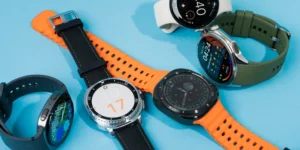



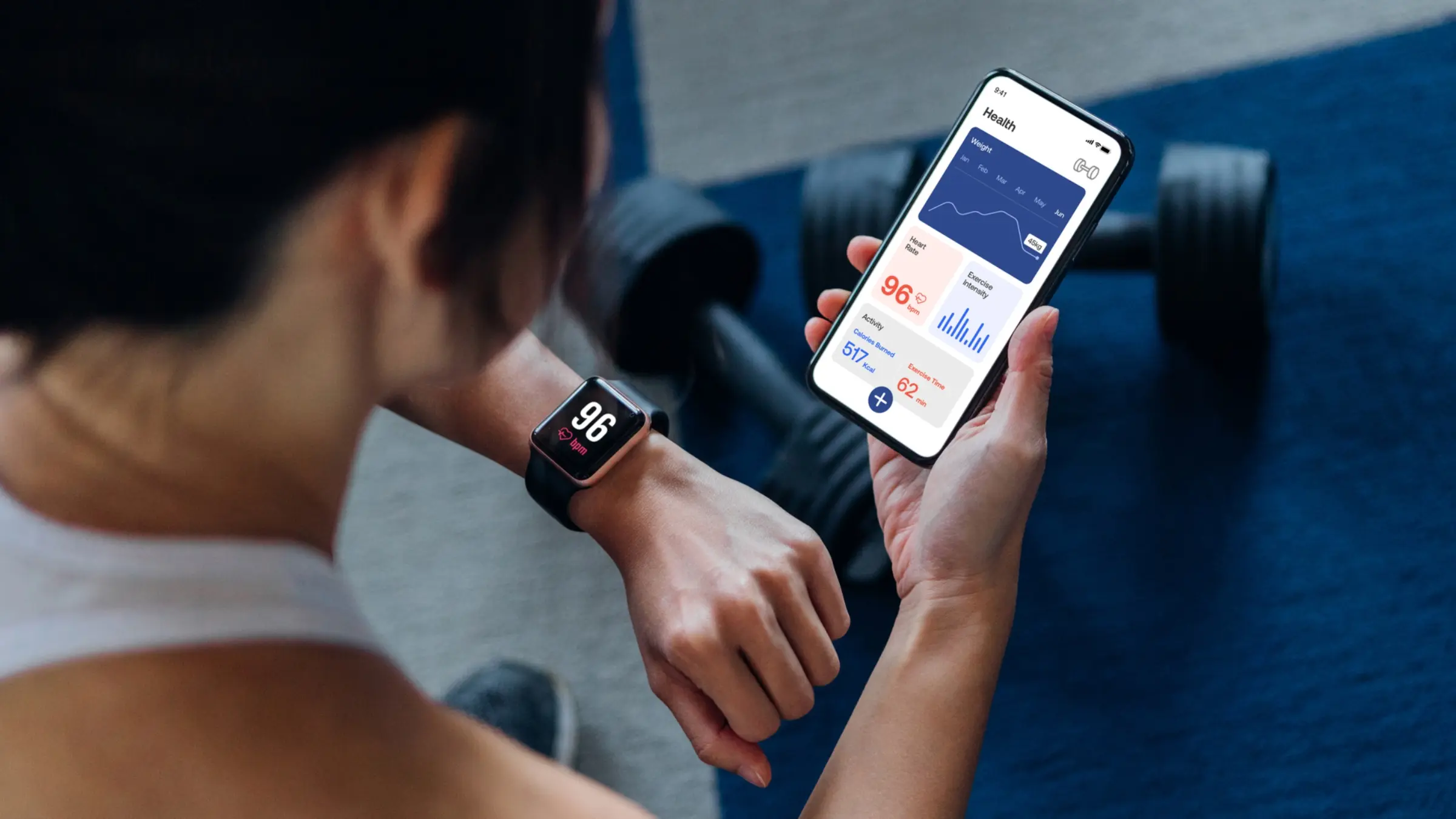
Fitness trackers have evolved from simple step counters to advanced wearable devices that provide detailed insights into your health and daily activity. One of the most valuable features in modern fitness trackers is heart rate monitoring, which allows users to track cardiovascular health, optimize workouts, and manage stress levels.
This guide explores the benefits, features, and considerations for choosing fitness trackers with heart rate monitoring, along with practical tips and frequently asked questions.
Why Heart Rate Monitoring Matters
Monitoring your heart rate provides insight into overall health and fitness. Key reasons to track heart rate include:
-
Exercise Optimization: Ensure workouts are within the ideal heart rate zone for fat burning, endurance, or performance.
-
Stress Management: Detect elevated resting heart rates that may indicate stress or fatigue.
-
Health Monitoring: Early detection of irregular heart patterns or potential cardiovascular issues.
-
Sleep Analysis: Heart rate trends during sleep can indicate sleep quality and recovery.
Fitness trackers that provide accurate heart rate data help users make informed decisions about lifestyle and exercise routines.
Key Features of Fitness Trackers with Heart Rate Monitoring
When selecting a fitness tracker, consider these important features:
| Feature | Description | Benefit |
|---|---|---|
| Continuous Heart Rate Monitoring | Tracks heart rate 24/7 | Provides accurate activity and health insights |
| Sleep Tracking | Monitors sleep stages and duration | Helps improve sleep quality |
| GPS & Activity Tracking | Tracks running, cycling, and walking | Enables precise workout measurement |
| Water Resistance | Suitable for swimming and sweat | Supports diverse activities |
| Smart Notifications | Alerts for calls, texts, and apps | Keeps users connected without checking phones |
| Long Battery Life | Multiple days on a single charge | Reduces frequent recharging interruptions |
| Mobile App Integration | Syncs data with smartphone apps | Offers detailed analytics and historical tracking |
Choosing a tracker with comprehensive features ensures a balance of health insights and usability.
Top Fitness Trackers with Heart Rate Monitoring
1. Fitbit Charge 6
-
Strengths: Accurate heart rate tracking, stress management tools, sleep monitoring
-
Best For: Users who want detailed health insights with a simple interface
2. Garmin Vivosmart 5
-
Strengths: Continuous heart rate monitoring, VO2 max estimation, long battery life
-
Best For: Fitness enthusiasts who want advanced metrics without a smartwatch
3. Xiaomi Mi Smart Band 8
-
Strengths: Affordable, lightweight, accurate heart rate and sleep tracking
-
Best For: Budget-conscious users who want essential health tracking
4. Samsung Galaxy Fit 2
-
Strengths: Vibrant AMOLED display, activity reminders, water resistance
-
Best For: Android users seeking seamless integration with Samsung Health
5. Polar Ignite 3
-
Strengths: Advanced heart rate tracking, guided workouts, recovery insights
-
Best For: Users focused on professional-grade fitness data
Benefits of Using Fitness Trackers with Heart Rate Monitoring
1. Improved Exercise Efficiency
Track heart rate zones to maximize calorie burn, endurance, or strength during workouts.
2. Early Detection of Health Issues
Monitor heart rate trends for irregularities that may require medical attention.
3. Motivation and Accountability
Real-time feedback encourages users to stay active and meet fitness goals.
4. Better Sleep and Recovery
Heart rate monitoring during sleep helps improve rest and recovery periods.
5. Convenient Integration with Digital Lifestyle
Most trackers sync with mobile apps to provide historical trends and analytics, allowing users to set personalized goals and monitor progress.
Choosing the Right Fitness Tracker
When selecting a tracker, consider:
-
Accuracy of Heart Rate Sensor: Optical sensors provide good accuracy, but chest straps may offer superior precision for intensive workouts.
-
Compatibility: Ensure it syncs with your smartphone and apps you use for health or fitness tracking.
-
Battery Life: Longer battery life is preferable for continuous heart rate monitoring.
-
Comfort: Choose a device that fits comfortably for 24/7 wear.
-
Additional Features: GPS, sleep tracking, and water resistance enhance functionality.
A well-chosen tracker complements your health goals and lifestyle.
Common Mistakes to Avoid
-
Relying solely on step count instead of heart rate for fitness guidance.
-
Ignoring proper device placement—sensors must be snug against the skin.
-
Overlooking software updates that improve sensor accuracy.
-
Choosing a tracker without sufficient mobile app support.
-
Neglecting to review historical data, which limits insight into long-term trends.
Integrating Fitness Trackers Into a Healthy Lifestyle
Fitness trackers work best when combined with structured health habits:
-
Set achievable fitness goals
-
Maintain a balanced diet
-
Prioritize regular sleep
-
Use heart rate data to guide workouts
-
Monitor stress levels and recovery
Beyond fitness, wearables have become part of the broader tech ecosystem. Professionals interested in tech trends often combine wearable usage insights with digital lifestyle optimization, similar to choosing the right Best Gaming Accessories for PC Gamers, where performance, usability, and integration play a key role.
Frequently Asked Questions (FAQs)
1. How accurate are heart rate readings on fitness trackers?
Most modern optical sensors provide accurate readings for resting and moderate-intensity activities. For high-intensity training, chest straps may offer better precision.
2. Can fitness trackers detect irregular heartbeats?
Some advanced models can flag irregularities like atrial fibrillation, but they are not a substitute for professional medical devices.
3. Are fitness trackers waterproof?
Many models are water-resistant and suitable for swimming, but it’s important to verify manufacturer specifications.
4. How long do fitness tracker batteries last?
Battery life ranges from 5 to 14 days, depending on features like continuous heart rate monitoring and GPS usage.
5. Can I wear a fitness tracker while sleeping?
Yes. Continuous heart rate monitoring during sleep provides insights into sleep quality and recovery.
6. Can multiple users share the same fitness tracker?
Most trackers are designed for individual use. Sharing may result in inaccurate data tracking.
Conclusion
Fitness trackers with heart rate monitoring are powerful tools for enhancing health, optimizing workouts, and maintaining overall well-being. By selecting a device with accurate sensors, comfortable design, and mobile app integration, users can track daily activity, monitor stress, and improve fitness outcomes.
For both fitness enthusiasts and tech-savvy users, wearables now form part of a connected lifestyle ecosystem—similar to how users carefully select Best Gaming Accessories for PC Gamers for optimal performance and experience. Choosing the right fitness tracker ensures a balance of convenience, health insights, and long-term benefits for a healthier, more active life.