


Smartphone photography has improved dramatically over the past few years, but low-light performance remains the ultimate test of a camera’s true capability. Whether you’re capturing city skylines at night, indoor events, concerts, or astrophotography, choosing the right phone makes all the difference.
In this guide, we’ll explore the best smartphones for photography in low light in 2026, what makes them stand out, and how to choose the right one for your needs.
What Makes a Smartphone Great for Low-Light Photography?
Before diving into the top picks, here are the most important factors that determine night photography performance:
1. Large Camera Sensors
Bigger sensors capture more light, resulting in brighter images with less noise.
2. Wide Aperture Lens (Lower f-number)
An f/1.6 or f/1.7 aperture allows more light into the camera compared to f/2.0 or higher.
3. Optical Image Stabilization (OIS)
OIS reduces blur during longer exposures, especially in dim conditions.
4. Computational Photography
Modern smartphones use AI-powered image stacking and noise reduction to improve night shots dramatically.
Best Smartphones for Photography in Low Light (2026)
1. Apple iPhone 15 Pro Max
Why It’s Great for Low Light
-
Advanced Night Mode across all lenses
-
Excellent color accuracy
-
Strong dynamic range
-
ProRAW support for editing
Apple’s image processing delivers balanced exposure without over-brightening night scenes. It performs exceptionally well for portraits in dim lighting and indoor photography.
Best for: Natural-looking night photos and video recording in low light.
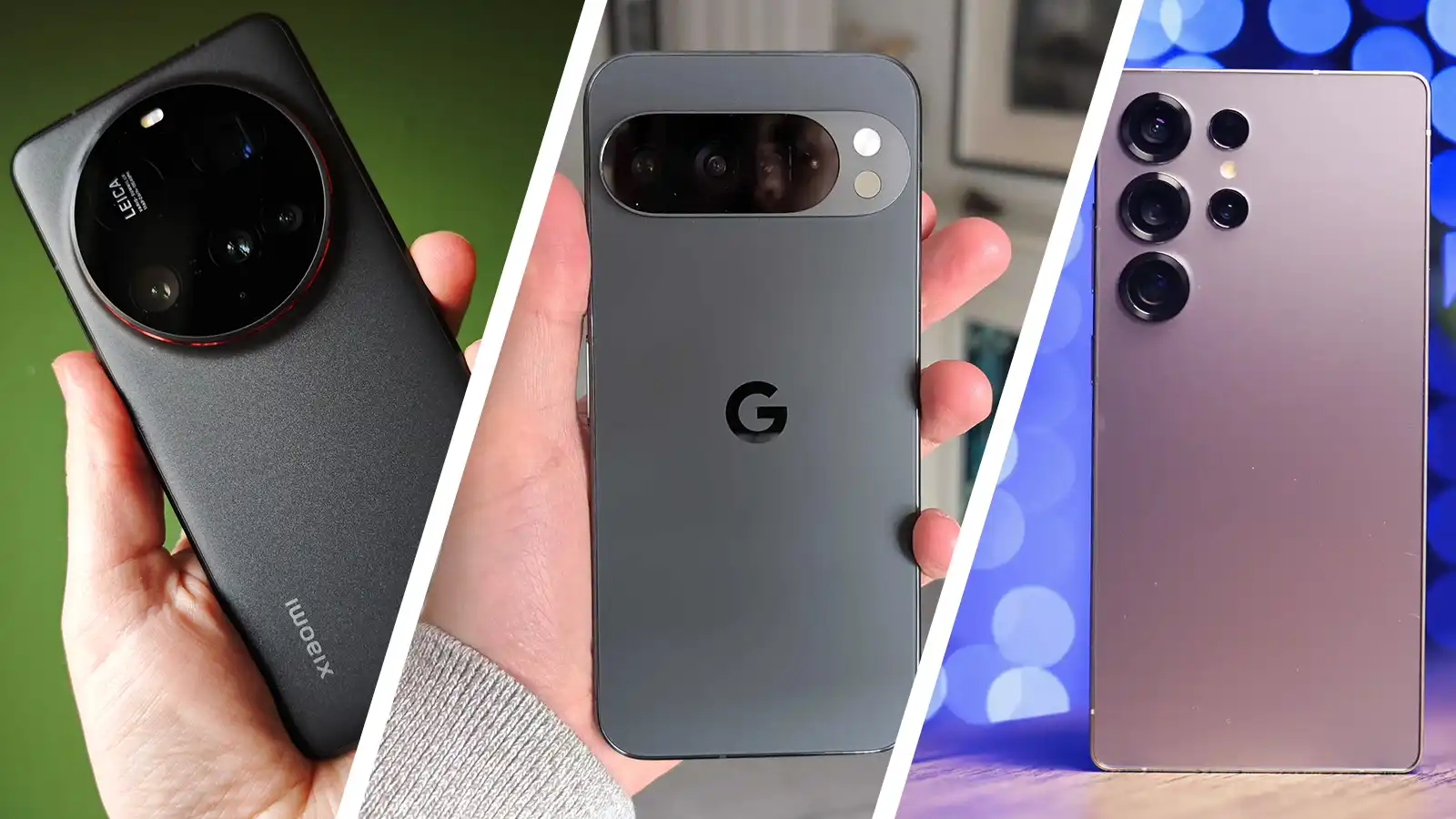
2. Samsung Galaxy S24 Ultra
Why It Stands Out
-
High-resolution main sensor
-
Improved Nightography mode
-
Powerful zoom performance in low light
-
Strong detail retention
Samsung enhances night scenes with bright, sharp results while maintaining good contrast. It also performs well in nighttime zoom photography.
Best for: Night cityscapes and zoom shots after dark.
3. Google Pixel 8 Pro
Computational Photography Leader
-
Industry-leading Night Sight
-
Excellent shadow recovery
-
Accurate skin tones in low light
-
AI-enhanced image stacking
Google’s software-driven photography continues to dominate in dark environments. The Pixel 8 Pro excels at turning near-dark scenes into clear, detailed images without excessive noise.
Best for: Users who want point-and-shoot night excellence.
4. Xiaomi 14 Ultra
Professional-Level Night Imaging
-
Large 1-inch type sensor
-
Variable aperture
-
Leica-tuned color science
-
Strong manual controls
This device shines in extremely low-light scenarios, offering DSLR-like control and impressive depth.
Best for: Photography enthusiasts who want more manual control.
5. Vivo X100 Pro
Strong Telephoto Night Performance
-
Advanced stabilization
-
Excellent low-light portrait mode
-
Clean zoom shots at night
Vivo has invested heavily in imaging hardware, and this model delivers detailed and well-balanced night photos.
Best for: Low-light portraits and night zoom shots.
Comparison Table: Best Smartphones for Low-Light Photography
| Smartphone | Main Sensor Strength | Night Mode Quality | Zoom in Low Light | Best For |
|---|---|---|---|---|
| iPhone 15 Pro Max | Excellent dynamic range | Very natural | Good | Balanced night photography |
| Galaxy S24 Ultra | High resolution | Bright & sharp | Excellent | Zoom night shots |
| Pixel 8 Pro | Strong computational processing | Outstanding | Good | AI-powered night images |
| Xiaomi 14 Ultra | Large sensor performance | Professional-level | Strong | Manual night photography |
| Vivo X100 Pro | Strong stabilization | Clean & detailed | Very good | Night portraits |
Key Features to Look for in 2026
If you’re shopping for the best smartphones for photography in low light, prioritize:
-
Large main sensor (1-inch preferred)
-
Optical image stabilization
-
Advanced night mode
-
RAW shooting capability
-
Good battery life for long exposure sessions
Interestingly, smartphone companies now use technologies like AI Driven Predictive Analytics for Sales Forecasting to determine which camera features consumers value most, which has led to rapid innovation in night photography across flagship devices.
Tips for Better Low-Light Smartphone Photography
Even the best phone needs proper technique. Here are practical tips:
1. Keep Your Phone Steady
Even with OIS, stabilizing your hands improves sharpness.
2. Use Night Mode
Most flagship phones automatically enable it — let it process the full exposure.
3. Avoid Digital Zoom
Use optical zoom instead to maintain clarity.
4. Tap to Focus
Proper focus dramatically improves low-light results.
5. Shoot in RAW (If Available)
RAW files retain more detail for editing later.
FAQs – Best Smartphones for Photography in Low Light
1. Which phone has the best night camera in 2026?
The Google Pixel 8 Pro and Samsung Galaxy S24 Ultra are among the strongest performers for low-light photography, depending on whether you prioritize AI processing or zoom performance.
2. Is a higher megapixel count better for low light?
Not necessarily. Sensor size and pixel size matter more than megapixels alone.
3. Do I need a 1-inch sensor phone?
A 1-inch sensor can significantly improve light capture, but strong computational photography can also produce excellent results without it.
4. Is Night Mode better than using flash?
Yes. Night Mode produces more natural-looking images without harsh lighting.
5. Are budget phones good for low-light photography?
Some mid-range phones perform decently, but flagship models still offer the best night photography due to better sensors and advanced processing.
Final Verdict
The best smartphones for photography in low light combine powerful sensors, advanced stabilization, and intelligent software processing. Whether you prefer the natural tones of the iPhone 15 Pro Max, the zoom power of the Galaxy S24 Ultra, the computational strength of the Pixel 8 Pro, or the professional controls of the Xiaomi 14 Ultra, there’s an option tailored to your style.