



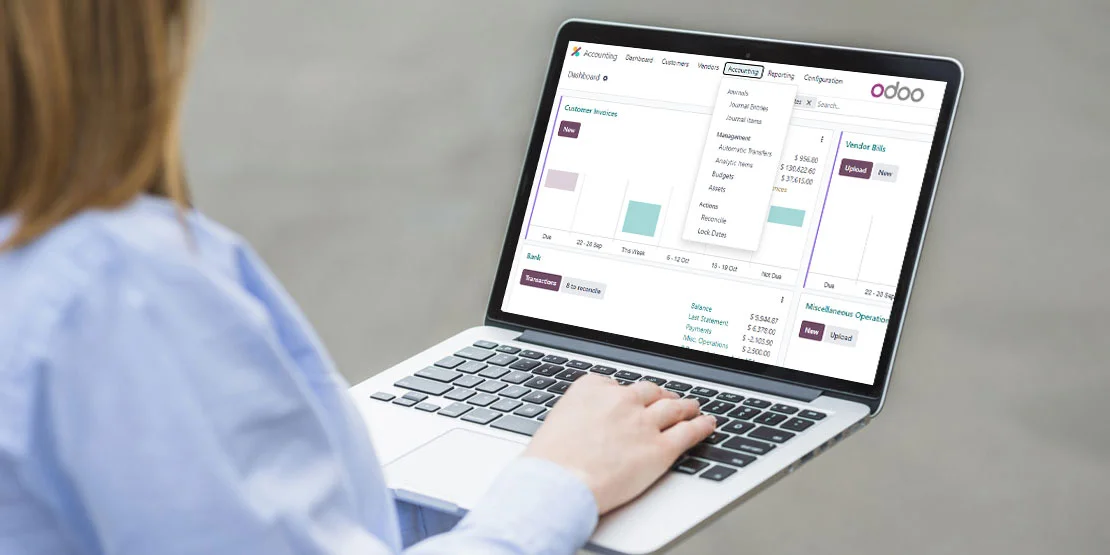
Managing finances is one of the most critical aspects of running a development business, startup, or freelance career. Developers often prefer flexible and customizable tools that allow them to control their workflow without expensive subscriptions. This is where open-source accounting software becomes a powerful solution.
Open-source accounting platforms provide transparency, customization, and cost savings. Developers can modify the code, integrate it with other tools, and automate financial processes according to their needs. In this article, we explore the benefits of open-source accounting software, key features to consider, and some of the best tools available for developers.
What is Open-Source Accounting Software?
Open-source accounting software is financial management software whose source code is publicly available. This means developers can review, modify, and distribute the software freely according to the licensing terms.
Unlike proprietary accounting software that requires expensive licenses, open-source alternatives are typically free or low cost. Developers and small tech teams often prefer these systems because they provide greater flexibility and control over financial data.
Why Developers Prefer Open-Source Accounting Tools
Developers usually value customization, automation, and transparency. Open-source accounting software meets these needs by offering adaptable features that can integrate with development workflows.
Here are several reasons why developers choose open-source accounting solutions:
1. Full Customization
Developers can modify the code to add features, remove unnecessary components, or integrate with internal systems such as project management tools and APIs.
2. Cost Efficiency
Many open-source accounting platforms are free to use. This makes them ideal for freelancers, indie developers, and early-stage startups that need financial management without high expenses.
3. Data Ownership
With open-source tools, developers host their own data. This reduces dependence on third-party services and improves privacy and security.
4. Community Support
Many open-source projects are supported by active communities that provide updates, plugins, and troubleshooting assistance.
5. Integration with Development Tools
Developers can integrate accounting systems with other platforms such as payment gateways, billing systems, and automation scripts.
Key Features Developers Should Look For
Not all accounting tools are suitable for technical professionals. When selecting open-source accounting software, developers should consider the following features.
1. Double-Entry Accounting
A reliable accounting system should support double-entry bookkeeping to ensure accurate financial records.
2. Invoice and Billing Management
Developers working as freelancers or running small agencies need tools for generating invoices, tracking payments, and managing subscriptions.
3. API Access
API integration allows developers to connect accounting software with other systems such as SaaS platforms, payment processors, or internal dashboards.
4. Financial Reporting
Reports such as balance sheets, profit and loss statements, and cash flow reports help developers understand their financial health.
5. Multi-Currency Support
Many developers work with international clients, making multi-currency support an important feature.
6. Security and Backup
Secure authentication, data encryption, and backup capabilities are essential for protecting financial records.
Popular Open-Source Accounting Software for Developers
Below is a comparison of several open-source accounting platforms that are widely used by developers and small businesses.
| Software | Key Features | Best For | Platform |
|---|---|---|---|
| GnuCash | Double-entry accounting, financial reports, budgeting tools | Freelancers and small businesses | Desktop |
| Odoo Community Edition | Accounting modules, CRM integration, invoicing | Growing startups | Web-based |
| ERPNext | Complete ERP system with accounting features | Tech startups and teams | Web-based |
| Akaunting | Cloud-based accounting, invoicing, expense tracking | Freelancers and small teams | Web |
| Ledger CLI | Command-line accounting system | Developers who prefer terminal workflows | CLI |
Each of these platforms offers unique advantages depending on the developer’s workflow and business structure.
Benefits of Using Open-Source Accounting Software
Open-source accounting tools offer several advantages compared to proprietary alternatives.
Transparency
Developers can inspect the code to ensure there are no hidden features or data collection mechanisms.
Flexibility
Businesses can customize the software to meet unique accounting requirements.
Scalability
As the company grows, developers can extend the system with plugins, integrations, or additional modules.
Community Innovation
Open-source communities frequently improve software by adding new features and fixing bugs.
How Developers Use Accounting Software in Real Projects
Many developers combine accounting systems with other business tools to create automated workflows.
For example:
-
Automatic invoice generation after project completion
-
Payment tracking through API integration
-
Financial dashboards connected to internal reporting tools
-
Subscription billing for SaaS applications
A development team managing SaaS products might also rely on financial tools alongside systems such as Affordable CRM Software for Small Tech Startups to manage both customer relationships and financial operations.
Tips for Choosing the Right Open-Source Accounting Tool
Selecting the right accounting software depends on your development workflow and business needs.
Evaluate Technical Complexity
Some tools like Ledger CLI are powerful but require command-line knowledge, while others provide graphical interfaces.
Consider Hosting Requirements
Certain platforms require self-hosting, while others offer cloud deployment options.
Check Integration Capabilities
Developers should prioritize accounting tools that support APIs or plugins for easy integration.
Review Community Activity
An active community ensures regular updates, security patches, and plugin development.
Test Before Adoption
Running a small test deployment can help determine if the software meets your financial and technical requirements.
Challenges of Open-Source Accounting Software
Although open-source tools offer many benefits, there are also some potential challenges.
Setup Complexity
Some platforms require technical setup, including server configuration and database management.
Limited Official Support
Unlike commercial products, support may rely primarily on community forums.
Maintenance Responsibility
Developers may need to handle updates, backups, and security maintenance themselves.
Despite these challenges, many developers still prefer open-source accounting solutions because of their flexibility and long-term cost advantages.
Future Trends in Developer-Friendly Accounting Tools
Open-source financial software continues to evolve with modern technology trends. Future improvements may include:
-
AI-driven financial insights
-
Automated tax calculations
-
Blockchain-based transaction tracking
-
Deeper integration with developer tools and APIs
-
Real-time financial dashboards
As remote work and freelance development continue to grow, demand for customizable financial management tools will likely increase.
Frequently Asked Questions (FAQs)
1. What is the best open-source accounting software for developers?
Popular choices include GnuCash, ERPNext, Akaunting, and Ledger CLI. The best option depends on whether you prefer graphical interfaces or command-line tools.
2. Is open-source accounting software secure?
Yes, many open-source platforms are secure. Since the code is publicly available, developers can review and audit it for vulnerabilities.
3. Can open-source accounting tools handle business finances?
Most open-source accounting systems support professional features like invoicing, financial reporting, and expense tracking, making them suitable for small businesses.
4. Do developers need accounting knowledge to use these tools?
Basic accounting knowledge helps, but many platforms provide guides, templates, and automation features that simplify financial management.
5. Is open-source accounting software suitable for startups?
Yes. Startups often choose open-source tools because they reduce costs and provide flexibility for custom integrations.
Conclusion
Open-source accounting software provides developers with a powerful and flexible way to manage financial operations. With features such as customization, transparency, and automation, these tools allow developers to control their accounting systems without relying on expensive proprietary software.