

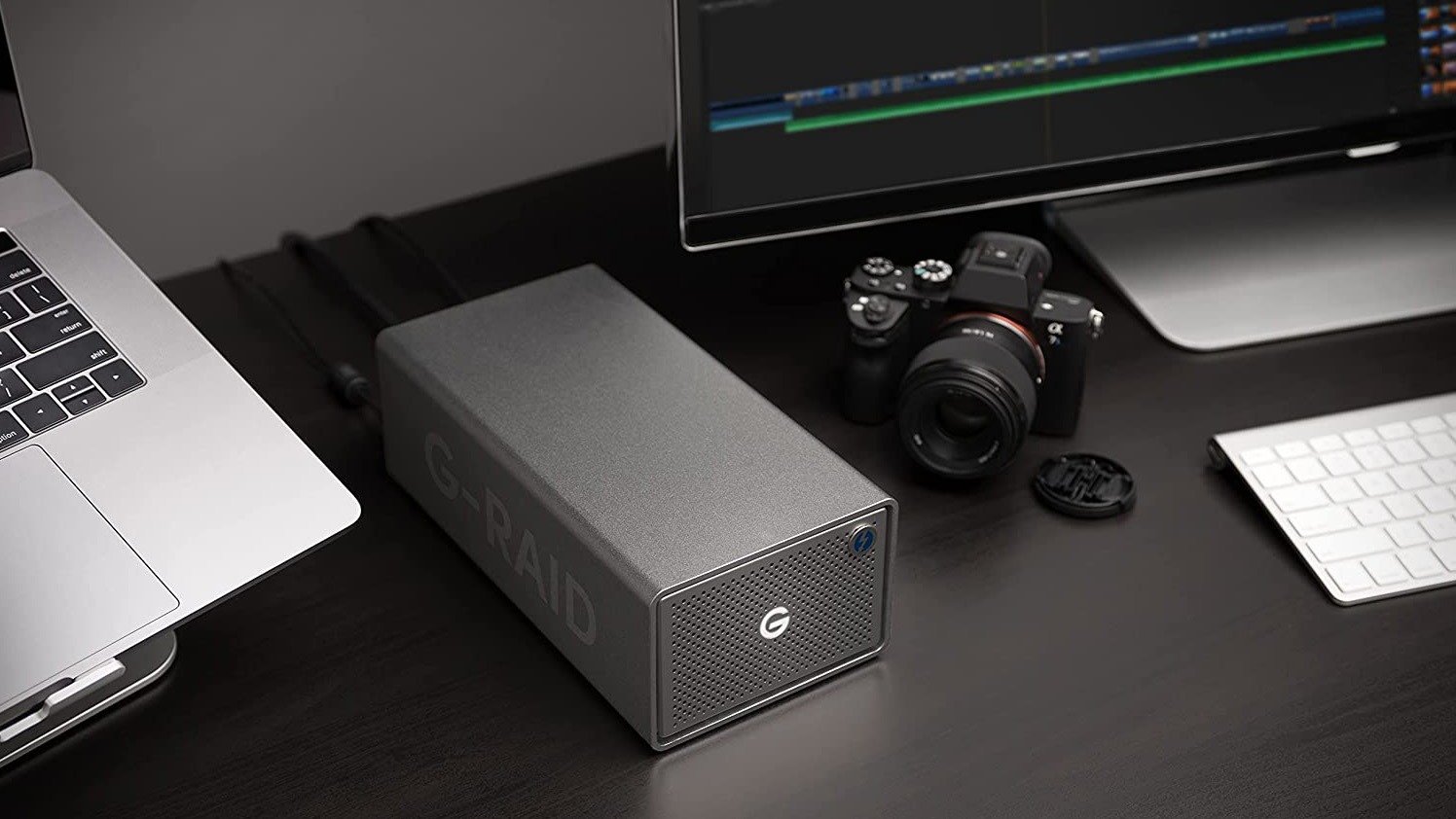
Video editing is one of the most demanding tasks in digital content creation. High-resolution footage, large project files, and multiple layers of effects require fast and reliable storage solutions. External SSDs (Solid State Drives) are ideal for video editors because they provide high-speed data transfer, durability, and portability. Choosing the best external SSD for video editing ensures smoother workflows, faster rendering times, and minimal downtime.
This guide explores the features, benefits, top models, and FAQs to help video editors select the perfect external SSD for their projects.
Why Video Editors Need External SSDs
Unlike traditional hard drives, SSDs use flash memory to store data, eliminating moving parts and providing several advantages:
-
Faster Read/Write Speeds: Essential for editing 4K or 8K footage without lag.
-
Durability: More resistant to drops and shocks than HDDs.
-
Portability: Compact design allows editors to carry large projects anywhere.
-
Energy Efficiency: Consumes less power, ideal for laptops.
For video editors, an external SSD can significantly reduce rendering times, improve playback performance, and provide a reliable storage solution for backup and collaboration.
Key Features to Look for in an External SSD for Video Editing
| Feature | Description | Benefit |
|---|---|---|
| Read/Write Speeds | Measured in MB/s or GB/s | Faster project loading and rendering |
| Storage Capacity | Ranges from 500GB to 4TB or more | Supports large video files and multiple projects |
| Connection Type | USB-C, Thunderbolt 3/4 | Ensures maximum transfer speed and compatibility |
| Durability | Shockproof, water-resistant | Protects data during travel |
| Form Factor | Portable and lightweight | Easy to carry between shoots and studios |
| Encryption Support | AES 256-bit or hardware encryption | Protects sensitive projects |
| Reliability | MTBF (Mean Time Between Failures) | Long-lasting storage solution for professional use |
Prioritizing these features ensures a balance of speed, reliability, and convenience for video editing workflows.
Top External SSDs for Video Editing
1. Samsung T7 Shield
-
Strengths: Up to 1050 MB/s read speed, rugged design, AES 256-bit encryption
-
Best For: Editors seeking a fast, durable, and secure SSD for on-the-go projects
2. SanDisk Extreme PRO V2
-
Strengths: Thunderbolt 3 support, read/write speeds up to 2000 MB/s, robust build
-
Best For: High-resolution video editing (4K/8K) and large project files
3. WD My Passport SSD
-
Strengths: Compact, read/write speeds up to 1050 MB/s, automatic backup support
-
Best For: Editors needing a reliable and portable SSD for daily work
4. Seagate FireCuda Gaming SSD
-
Strengths: NVMe speeds up to 2000 MB/s, shock-resistant, stylish design
-
Best For: Creators combining gaming rigs and editing systems who need high-speed storage
5. G-Technology G-DRIVE Mobile SSD
-
Strengths: Durable aluminum casing, fast performance, macOS and Windows compatible
-
Best For: Professional editors working in varied environments and needing cross-platform compatibility
Benefits of Using an External SSD for Video Editing
1. Faster Project Load and Export Times
High read/write speeds minimize delays during editing, previewing, and rendering video projects.
2. Improved Workflow Efficiency
Editors can work directly from the SSD without transferring files to internal storage, saving time.
3. Portability and Mobility
Compact SSDs allow editors to carry large projects between locations, studios, or on set.
4. Enhanced Durability
External SSDs resist shocks, drops, and vibrations, protecting valuable project files.
5. Secure Storage
Many SSDs offer encryption and password protection, ensuring sensitive projects remain secure.
Best Practices for Video Editors Using External SSDs
-
Choose the Right Connection Type – USB-C or Thunderbolt 3/4 ensures maximum transfer speed.
-
Maintain Backup Copies – Even with durable SSDs, always back up critical projects.
-
Keep Firmware Updated – Manufacturers release updates that improve speed, stability, and compatibility.
-
Optimize Storage Management – Regularly archive completed projects to free up space.
-
Use RAID for Advanced Users – Combining multiple SSDs in RAID 0/1 can increase speed or redundancy.
A structured approach ensures efficiency and protects your valuable work.
Common Mistakes to Avoid
-
Relying solely on internal storage for large video files.
-
Choosing an SSD with insufficient read/write speeds for 4K or 8K footage.
-
Ignoring device compatibility with your computer’s ports and operating system.
-
Failing to use encryption for sensitive client projects.
-
Overloading a single SSD without archiving completed work.
Avoiding these mistakes helps maintain a smooth and professional editing workflow.
Integrating SSDs Into Collaborative Editing
External SSDs are also useful for team-based projects. High-speed storage allows editors to quickly share large video files with collaborators, especially when working on remote projects. Combining fast external SSDs with cloud or project management tools—similar to Best Project Management Software for Remote Tech Teams—can streamline collaborative editing, file sharing, and version control.
Frequently Asked Questions (FAQs)
1. How fast should an external SSD be for 4K video editing?
Ideally, choose an SSD with at least 1000 MB/s read/write speeds. Thunderbolt 3 or USB 3.2 Gen 2 connections provide optimal performance.
2. Can I use an external SSD for both Windows and Mac?
Yes, but ensure the drive is formatted in a compatible file system (exFAT is recommended for cross-platform use).
3. How much storage do I need for video editing?
For 4K projects, a minimum of 1TB is recommended. Large studios may need 2TB–4TB or more.
4. Are NVMe SSDs better than SATA SSDs?
Yes, NVMe SSDs offer higher read/write speeds and lower latency, ideal for demanding video editing tasks.
5. Can I edit directly from an external SSD?
Absolutely. Editing directly from a high-speed external SSD reduces delays and improves workflow efficiency.
6. How durable are external SSDs compared to HDDs?
SSDs have no moving parts, making them far more resistant to drops, shocks, and vibrations than traditional HDDs.
Conclusion
Selecting the best external SSD for video editing is crucial for maximizing speed, reliability, and portability. By considering features like read/write speeds, durability, capacity, and connectivity, video editors can optimize their workflows, reduce render times, and maintain secure storage for large project files.
When combined with collaborative tools and professional workflows—similar to how teams rely on Best Project Management Software for Remote Tech Teams for organized project handling—external SSDs become an indispensable part of a professional video editing setup. Investing in a high-quality external SSD ensures editors can focus on creativity and efficiency without worrying about storage limitations.