



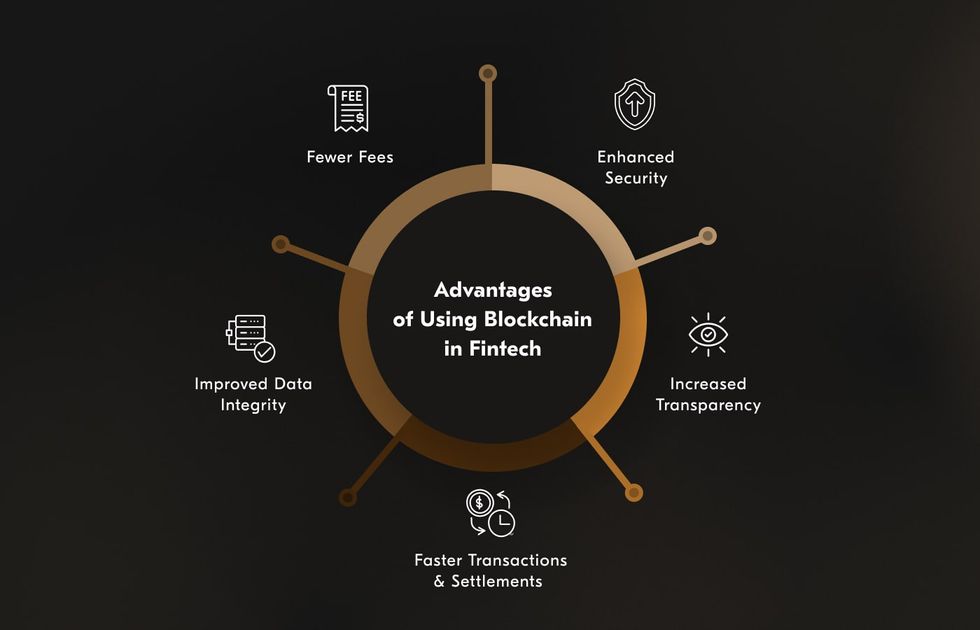
Blockchain technology has rapidly evolved from powering cryptocurrencies to becoming a foundational innovation in the financial industry. Today, blockchain technology use cases in finance extend far beyond digital currencies. Banks, fintech companies, governments, and institutional investors are exploring blockchain to improve security, transparency, efficiency, and trust.
In this in-depth guide, we will explore how blockchain works, its major applications in finance, benefits, challenges, and future trends shaping the global financial ecosystem.
What Is Blockchain Technology?
Blockchain is a decentralized digital ledger that records transactions across multiple computers. Instead of relying on a central authority like a bank or clearinghouse, blockchain uses cryptography and distributed consensus to validate and store transaction data.
Key characteristics include:
-
Decentralization
-
Transparency
-
Immutability
-
Security
-
Automation through smart contracts
These features make blockchain especially valuable in financial services, where trust, verification, and accuracy are critical.
Why Finance Is Adopting Blockchain
The financial industry deals with trillions of dollars in daily transactions. Traditional systems often involve:
-
Intermediaries
-
Long settlement times
-
High transaction costs
-
Limited transparency
-
Risk of fraud
Blockchain addresses these issues by streamlining processes and reducing reliance on third parties.
Major Blockchain Technology Use Cases in Finance
Let’s explore the most impactful blockchain technology use cases in finance today.
1. Cross-Border Payments
International transfers are often slow and expensive due to multiple intermediaries and currency conversions.
How Blockchain Helps:
-
Near-instant settlement
-
Reduced fees
-
Transparent tracking
-
Lower currency conversion friction
Blockchain-based payment networks allow peer-to-peer transfers across borders without relying on traditional correspondent banking systems.
2. Smart Contracts for Automated Transactions
Smart contracts are self-executing contracts where terms are written into code.
Applications in Finance:
-
Loan agreements
-
Insurance claims
-
Trade settlements
-
Escrow services
These contracts automatically execute when predefined conditions are met, reducing manual processing and errors.
3. Fraud Prevention and Security
Financial fraud costs billions annually. Blockchain’s immutable ledger makes it nearly impossible to alter transaction data once recorded.
Benefits:
-
Enhanced identity verification
-
Reduced data tampering
-
Improved audit trails
-
Transparent transaction history
Because every transaction is cryptographically secured and time-stamped, fraud risk decreases significantly.
4. Decentralized Finance (DeFi)
DeFi is one of the most disruptive blockchain technology use cases in finance. It removes intermediaries like banks and allows users to access financial services directly through decentralized applications.
DeFi Services Include:
-
Lending and borrowing
-
Staking
-
Yield farming
-
Decentralized exchanges
-
Synthetic assets
Users can earn interest, trade assets, and obtain loans without traditional financial institutions.
5. Asset Tokenization
Tokenization converts physical or financial assets into digital tokens on a blockchain.
Examples:
-
Real estate
-
Stocks
-
Bonds
-
Commodities
-
Art
Tokenization increases liquidity, allows fractional ownership, and simplifies asset transfers.
6. Trade Finance and Supply Chain Financing
Traditional trade finance processes are paper-heavy and slow. Blockchain digitizes documentation such as:
-
Letters of credit
-
Bills of lading
-
Invoices
This improves transparency, reduces fraud, and accelerates settlement.
7. Digital Identity Verification
Know Your Customer (KYC) compliance is expensive and repetitive across financial institutions.
Blockchain-based digital identity systems allow:
-
Secure identity sharing
-
Reduced verification duplication
-
Better customer data control
Customers can grant permission to institutions to access verified identity credentials stored securely on blockchain networks.
8. Clearing and Settlement Systems
Stock trades can take multiple days to settle. Blockchain reduces this time dramatically.
Advantages:
-
Real-time settlement
-
Lower counterparty risk
-
Reduced operational costs
-
Increased transparency
This is one of the most promising blockchain technology use cases in finance for large institutions.
9. Central Bank Digital Currencies (CBDCs)
Many governments are exploring blockchain-based digital currencies issued by central banks.
CBDCs aim to:
-
Improve payment efficiency
-
Reduce cash dependency
-
Increase financial inclusion
-
Strengthen monetary control
These digital currencies could reshape global financial systems.
Comparison of Traditional Finance vs Blockchain-Based Finance
| Feature | Traditional Finance | Blockchain-Based Finance |
|---|---|---|
| Transaction Speed | Days | Minutes or Seconds |
| Intermediaries | Multiple | Minimal or None |
| Transparency | Limited | High |
| Fraud Risk | Moderate to High | Lower |
| Settlement Time | T+2 or T+3 | Real-time or Near Instant |
| Operational Costs | High | Reduced |
This comparison highlights why financial institutions are investing heavily in blockchain adoption.
Benefits of Blockchain in Finance
1. Reduced Costs
By eliminating intermediaries and manual processes, blockchain lowers transaction fees.
2. Increased Transparency
All participants can verify transactions in real-time.
3. Faster Processing
Settlement times are drastically reduced.
4. Improved Security
Advanced cryptographic protection minimizes data breaches.
5. Financial Inclusion
Blockchain enables access to financial services in underbanked regions.
Challenges Facing Blockchain Adoption
Despite its advantages, blockchain adoption in finance faces obstacles:
-
Regulatory uncertainty
-
Scalability issues
-
Energy consumption concerns
-
Integration with legacy systems
-
Security vulnerabilities in poorly designed smart contracts
Addressing these challenges is essential for widespread implementation.
The Future of Blockchain in Finance
The future looks promising as institutions continue experimenting with blockchain solutions. Emerging trends include:
-
Hybrid blockchain systems
-
Enterprise blockchain networks
-
AI and blockchain integration
-
Real-world asset tokenization
-
Blockchain-powered digital banking
Just as professionals invest in tools like Affordable 4K Monitors for Video Editing to enhance productivity, financial institutions are investing in blockchain infrastructure to improve operational efficiency and competitiveness.
FAQs About Blockchain Technology Use Cases in Finance
1. How is blockchain different from traditional banking systems?
Traditional systems rely on centralized authorities, while blockchain operates on decentralized networks with distributed validation.
2. Is blockchain secure for financial transactions?
Yes, blockchain uses advanced cryptography and consensus mechanisms, making transactions highly secure and tamper-resistant.
3. What is the biggest blockchain use case in finance?
Cross-border payments and decentralized finance (DeFi) are currently among the most impactful use cases.
4. Can blockchain replace banks?
Blockchain may reduce reliance on traditional banks for certain services, but complete replacement is unlikely in the near future.
5. Are governments using blockchain?
Yes, many governments are researching or implementing Central Bank Digital Currencies (CBDCs).
6. Is blockchain only about cryptocurrency?
No, cryptocurrency is just one application. Blockchain supports smart contracts, digital identity, asset tokenization, and more.
Conclusion
Blockchain technology use cases in finance are reshaping how money moves, how contracts are executed, and how assets are managed. From cross-border payments and DeFi platforms to tokenized assets and digital identity systems, blockchain is transforming financial services at every level.