

Postpartum hair loss is a common and often distressing experience for new mothers. After childbirth, many women notice excessive hair shedding that can last for several months. While this condition is temporary, the emotional impact can be significant. The good news is that with the right anti-hair fall treatments, postpartum hair loss can be managed effectively and hair health can be restored over time.
This article explains why postpartum hair loss happens, how long it lasts, and which treatments actually help reduce shedding and promote regrowth.
What Is Postpartum Hair Loss?
Postpartum hair loss, also known as postpartum telogen effluvium, occurs due to hormonal shifts after pregnancy. During pregnancy, high estrogen levels prolong the hair growth phase, resulting in thicker, fuller hair. After delivery, estrogen levels drop sharply, causing more hair follicles to enter the shedding phase at the same time.
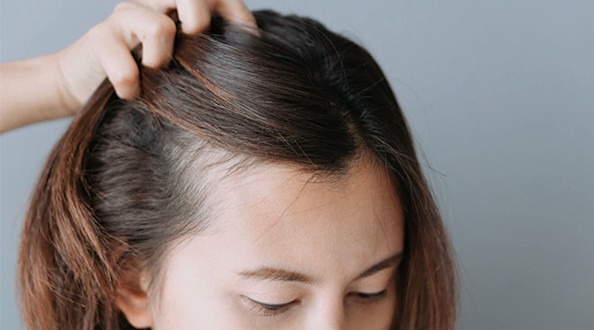
This leads to noticeable hair fall, especially around the hairline, temples, and crown.
When Does Postpartum Hair Loss Start and Stop?
-
Begins: 2–4 months after childbirth
-
Peaks: Around 4–6 months postpartum
-
Improves: By 9–12 months postpartum
In most cases, hair growth returns to normal within a year without medical intervention.
Why Anti-Hair Fall Treatments Matter
While postpartum hair loss resolves naturally, supportive treatments can:
-
Reduce excessive shedding
-
Strengthen weak hair strands
-
Support faster regrowth
-
Improve scalp health
-
Minimize breakage
Just as targeted beauty solutions—like Pore-Minimizing Primers for Flawless Makeup—address specific concerns, postpartum hair loss benefits from treatments tailored to hormonal and nutritional changes.
Best Anti-Hair Fall Treatments for Postpartum Hair Loss
1. Nutrient-Rich Diet and Supplements
Hair growth depends heavily on nutrition, especially after pregnancy.
Key nutrients include:
-
Iron
-
Protein
-
Zinc
-
Biotin
-
Omega-3 fatty acids
If deficiencies are suspected, consult a healthcare professional before starting supplements.
2. Gentle Hair Care Practices
Overstyling and harsh products can worsen postpartum hair fall.
-
Avoid tight hairstyles
-
Limit heat styling
-
Use wide-tooth combs
-
Pat hair dry instead of rubbing
Gentle handling reduces unnecessary breakage.
3. Scalp Massage and Oils
Regular scalp massage increases blood circulation and supports follicle activity.
Beneficial oils include:
-
Coconut oil
-
Castor oil
-
Argan oil
Massaging the scalp 2–3 times per week can improve hair strength and scalp health.
4. Mild, Strengthening Shampoos
Choose sulfate-free shampoos designed to reduce hair fall.
Look for formulas with:
-
Caffeine
-
Niacinamide
-
Keratin
-
Amino acids
Avoid frequent washing, which can dry out the scalp.
5. Topical Hair Growth Serums
Some topical treatments help prolong the growth phase of hair follicles.
-
Apply consistently
-
Focus on thinning areas
-
Avoid products with strong alcohol bases
Results typically appear after several months of regular use.
Comparison of Anti-Hair Fall Treatments
| Treatment Type | Primary Benefit | Best For |
|---|---|---|
| Nutritional Support | Addresses root cause | Deficiency-related hair fall |
| Scalp Massage | Improves circulation | Overall hair strength |
| Gentle Hair Care | Reduces breakage | Weak, fragile hair |
| Strengthening Shampoos | Supports scalp health | Daily maintenance |
| Topical Serums | Encourages regrowth | Visible thinning |
A combination approach usually delivers the best results.
Common Mistakes That Worsen Postpartum Hair Loss
Avoid these habits during the shedding phase:
-
Panic cutting hair extremely short
-
Overwashing or overwashing to “reduce shedding”
-
Using harsh chemical treatments
-
Ignoring scalp care
-
Expecting instant results
Patience and consistency are essential.
Can Stress Increase Postpartum Hair Loss?
Yes. Sleep deprivation, emotional stress, and hormonal changes can all worsen hair shedding. Managing stress through rest, hydration, and gentle self-care plays an important role in recovery.
When to See a Doctor
Consult a healthcare professional if:
-
Hair loss continues beyond 12 months
-
You experience bald patches
-
Hair loss is accompanied by fatigue or weakness
-
There is a family history of hair disorders
These may indicate conditions unrelated to postpartum changes.
Frequently Asked Questions (FAQs)
Is postpartum hair loss permanent?
No. In most cases, hair growth returns to normal within a year after childbirth.
Can breastfeeding cause hair loss?
Breastfeeding itself does not cause hair loss, but ongoing hormonal changes may prolong shedding.
Should I cut my hair short to reduce hair fall?
Cutting hair does not stop hair fall, but shorter styles may make shedding less noticeable.
Do anti-hair fall products work for postpartum hair loss?
They can help reduce breakage and support regrowth, but they do not stop hormonal shedding entirely.
How long should I use hair fall treatments?
Most treatments should be used consistently for at least 3–6 months to see improvement.
Final Thoughts
Postpartum hair loss is a natural phase that affects many women, but it doesn’t have to feel overwhelming. With the right anti-hair fall treatments, gentle hair care habits, and proper nutrition, you can support healthy regrowth and minimize excessive shedding.